

 English
 Español

news
Home / News / Industry News / Are Battery Hedge Trimmers Better Than Petrol Now?
Home / News / Industry News / Are Battery Hedge Trimmers Better Than Petrol Now?

Content
The short answer is: yes, for the majority of homeowners and even many professional landscapers, battery-powered hedge trimmers have surpassed petrol models in practical value. Thanks to rapid advances in lithium-ion battery technology, modern cordless hedge trimmers now deliver cutting performance that matches or exceeds petrol equivalents — without the noise, fumes, or maintenance headaches. That said, petrol still holds the edge in a handful of high-demand scenarios.
This article breaks down the real-world differences so you can choose the right hedge trimmer for your specific needs.
A few years ago, battery hedge trimmers struggled to last through a full hedge-cutting session. Today, high-capacity 18V–82V lithium-ion batteries can power a hedge trimmer for 45–90 minutes of continuous use on a single charge, depending on the battery amp-hour (Ah) rating and hedge density.
Key improvements that have made battery hedge trimmers genuinely competitive include:
For hedges up to about 100 metres in total length, a 4Ah or 5Ah battery is typically sufficient for one complete trimming session without a recharge.
| Feature | Battery Hedge Trimmer | Petrol Hedge Trimmer |
|---|---|---|
| Cutting Power | High (brushless models) | Very High |
| Run Time | 45–90 min per charge | Unlimited (with fuel) |
| Weight | 3–5 kg (with battery) | 5–8 kg |
| Noise Level | ~85 dB | 95–105 dB |
| Emissions | Zero at point of use | CO, HC, NOx emissions |
| Maintenance | Minimal (blade oiling only) | Regular (spark plugs, air filter, fuel mix) |
| Start-Up | Instant (button) | Pull-cord, warm-up needed |
| Purchase Price | Medium–High (inc. battery) | Medium–High |
| Best For | Home gardens, light–medium commercial | Heavy-duty commercial, remote sites |
Battery hedge trimmers typically weigh 3–5 kg with battery, compared to 5–8 kg for a petrol model with fuel. Over the course of an hour working above shoulder height — which is common when shaping tall hedges — this weight difference has a significant impact on fatigue. Lighter tools mean better control and a reduced risk of uneven cuts.
A battery hedge trimmer operates at around 85 decibels (dB), while a petrol trimmer typically produces 95–105 dB. Since noise above 85 dB requires hearing protection under most occupational health regulations, this difference is meaningful for professional users. For residential gardeners, the quieter operation also means you can trim early in the morning without disturbing neighbours.
Petrol hedge trimmers require regular attention: spark plug replacement every season, air filter cleaning, carburettor adjustments, and correct fuel-oil mixing ratios (typically 50:1). Battery models essentially need blade oiling before each use and periodic cleaning — nothing more. This is a significant advantage for occasional users who store equipment for months between uses.
Despite the general shift toward battery power, petrol hedge trimmers remain the preferred choice in specific situations:
When selecting a battery hedge trimmer, two specifications matter most: blade length and battery voltage.
Blade length determines how quickly you can trim long, flat sections of hedge. A 45–50 cm blade suits most domestic hedges up to 1.5 metres wide, while 60–75 cm blades are better for large formal hedges or commercial work. Longer blades are heavier, so balance them against your fatigue tolerance.
Higher voltage generally means more power sustained over time. A guide to voltage ranges:
Purchase price is only part of the picture. Over a 5-year ownership period, running costs differ substantially:
| Cost Category | Battery Hedge Trimmer | Petrol Hedge Trimmer |
|---|---|---|
| Fuel / Electricity (5 years) | ~€15–25 | ~€80–150 |
| Servicing / Parts | Minimal (blade sharpening) | €100–200+ (plugs, filters, carb) |
| Battery Replacement | Possibly once (~€50–100) | N/A |
| Total Estimated Running Cost | €65–125 | €180–350+ |
Battery hedge trimmers carry significantly lower running costs, which often offsets the higher upfront price of a quality cordless model within two to three seasons.
Use the following decision framework to guide your choice:
The gap between battery and petrol hedge trimmers has effectively closed for the majority of use cases. For domestic users and light-to-medium commercial operators, a modern brushless battery hedge trimmer delivers equivalent cutting performance with real advantages in weight, noise, emissions, and maintenance.
Petrol still makes sense for professionals who need all-day, non-stop trimming or regularly tackle exceptionally thick, woody growth without access to charging. But for everyone else, the battery hedge trimmer is no longer just a convenient alternative — it is genuinely the better tool.
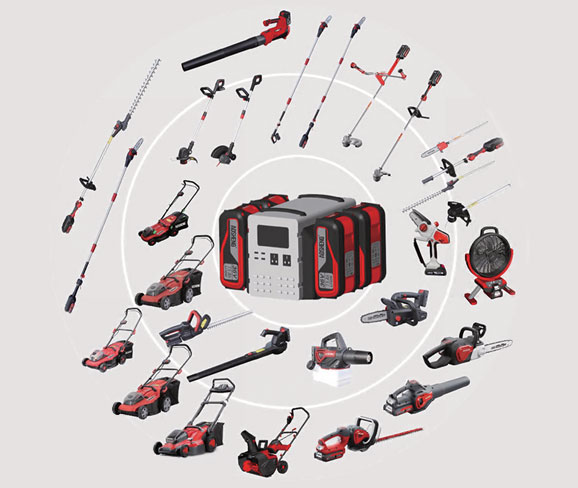
When selecting a hedge trimmer, prioritise voltage, blade length, and battery capacity based on the actual scale and density of your hedges — and check whether you can join a compatible battery platform to maximise the value of your investment across multiple tools.
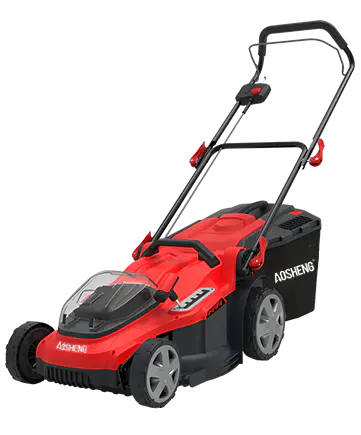
Deck Size:40CM/16INCH 3-in-1 function: Mulching, rear bagging&side discharge Easy-to-use fold-in system
See Details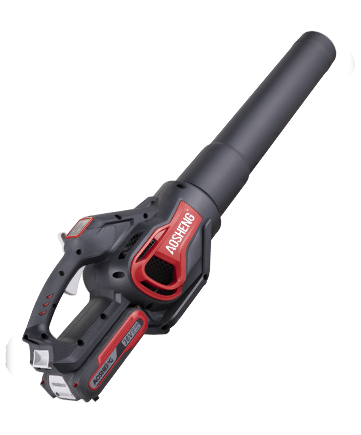
Turbine boost functionBig air volumeInstant startBackpack option for extra battery power
See Details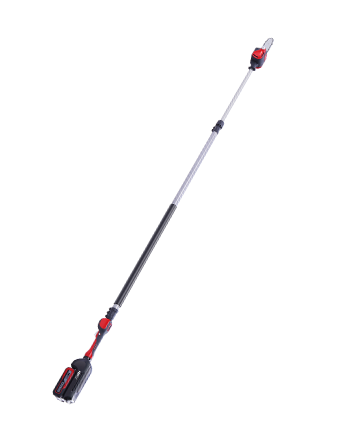
Extension height of 400cmOregon Bar & ChainTool-less chain tension systemAutomatic oiling systemBackpack option for extra battery power
See Details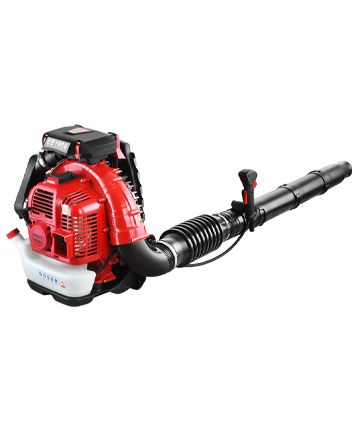
Extremely comfortable adjustable handle Large capacity fuel tank The largest air volume in China Use fire-retardant pipes to extinguish the fire Luxury widen & thicken straps Patented engine reac...
See Details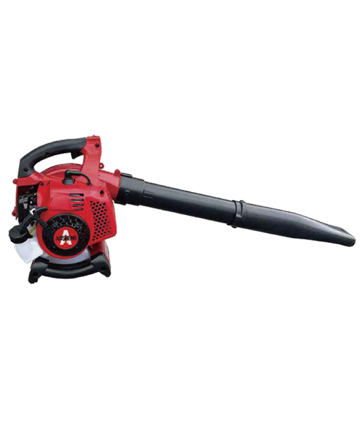
Suction and blowing Euro 5 certification Rubber-coverd handle, Strength nylon collecter.
See Details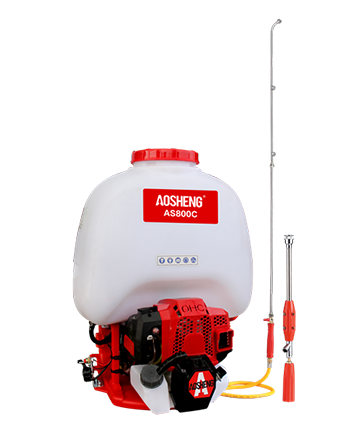
High preformence engine with high quality accessories. Copper meterial pressure pump, corrosion resistance.high atomization effect. Used in agriculture,eqidemic prevention, and disinfection.
See Details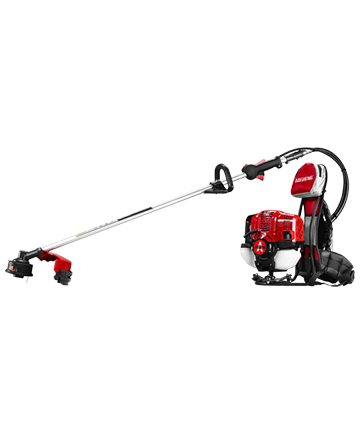
Professional engine, strength power.low consumption, easy to start.Rotating 360°Comfortable control handle and sponge belt. The trimmer head can offer a 460mm cut width. alloy blade diameter is 10 inc...
See Details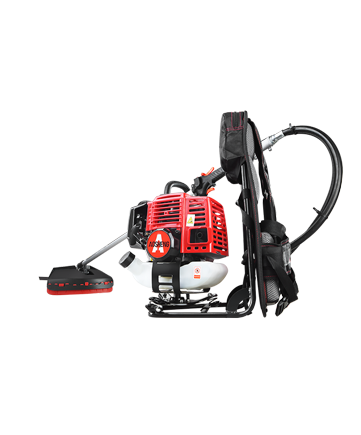
High-performance engine, displacement is 33CC.Professional use opens up wastelandTube size 26mm*1.5mm, strength flexible shaft.Cutting width is 420mmLifetime over 150hours
See Details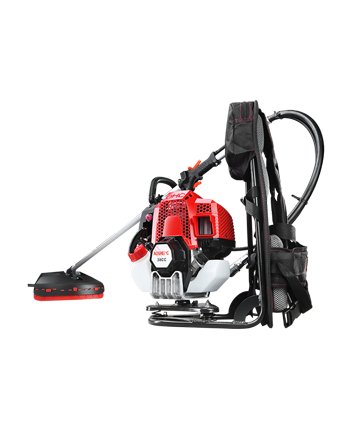
High-performance 4-stroke engine,displacement is 38CC. Professional use in the open-up wasteland Tube size 26mm*1.5mm, strength flexible shaft.Cutting width is 420mm Life time over 150hours New design...
See Details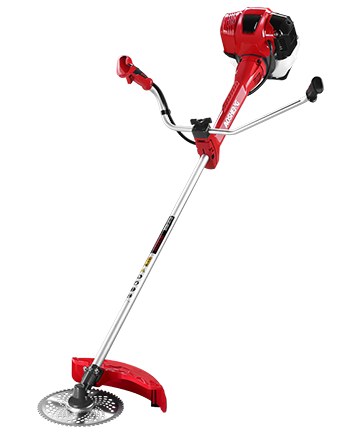
Professional engine, strength power. low consumption, easy to start.Rotating 360°The pole part uses a damper cover. The control handle can rotate 180° to decrease absorption. Rubber-covered handles ma...
See Details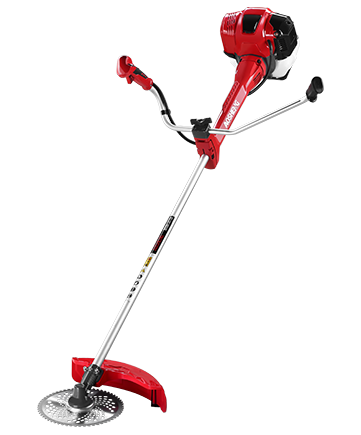
Professional engine, strength power. low consumption, easy to start. Rotating 360° The Pole part uses a damper cover. The control handle can be rotated 180° to decrease absorption. Rubber-covered hand...
See Details