

 English
 Español


news
Home / News / Industry News / Bad Carburetor Symptoms: 8 Signs Your Small Engine Carb Needs Attention
Home / News / Industry News / Bad Carburetor Symptoms: 8 Signs Your Small Engine Carb Needs Attention

Content
You are halfway through a fence line and the brush cutter suddenly loses power every time the blade bites into thick weeds. The engine fires on the first pull of the cord, then sputters and dies before you can squeeze the throttle again. The spark plug is clean, the air filter is fresh, and the fuel tank is full. Yet the machine will not run. In cases like this, the carburetor is almost always the first place to look.
On small gasoline engines - two-stroke brush cutters, chainsaws, four-stroke lawn mowers, power sprayers, and similar garden equipment - the carburetor is the most failure-prone component in the fuel system. Knowing the bad carburetor symptoms, and learning to read them accurately, can save you hours of diagnosis and prevent you from replacing a perfectly good engine.
The carburetor has a single job: mix air and gasoline in the correct ratio and deliver that mixture to the cylinder. Inside the carburetor body, a set of tiny brass jets and narrow passages meters the fuel. Those passageways are measured in fractions of a millimeter, so even a grain of sand, a film of varnish, or a droplet of water can disrupt the mixture.
Modern ethanol-blended fuel makes the problem worse. Ethanol attracts moisture out of the air, and when the fuel evaporates inside a carburetor, it leaves behind a sticky, shellac-like residue. Over the course of a storage season, that residue can turn a functioning carburetor into a clogged assembly that delivers too much fuel, too little fuel, or none at all.
These bad carburetor symptoms appear again and again on small engines. If you recognize two or more of them, the carburetor deserves your attention before you look at anything else.
| Symptom | What It Looks Like | Typical Carburetor Cause |
|---|---|---|
| Engine won't start | The starter turns the engine, but it never fires | Clogged main jet, stuck float needle, or water in the float bowl |
| Starts, then dies | Runs for 2 to 10 seconds, then sputters out | Blocked idle circuit or dirty pilot jet |
| Runs only with the choke closed | Will not keep running once the choke is opened | Lean mixture from a partially blocked fuel passage |
| Rough idle and surging | Engine speed rises and falls while idling | Dirty idle jet or an air leak at the base gasket |
| Loss of power under load | Cutter or blade slows down in thick growth | Restricted main jet and fuel starvation |
| Black smoke from the exhaust | Heavy smoke with a strong fuel smell | Flooded float bowl or a stuck float |
| Raw fuel leaking from the carburetor | Fuel drips from the bowl or the air intake | Worn float needle, damaged float, or warped bowl gasket |
| Backfiring or popping | Loud pops from the exhaust or intake | Lean mixture or a blocked accelerator pump passage |
The start-and-die pattern is the classic clogged idle circuit. When the choke is closed, the engine creates a strong vacuum that pulls fuel through the main circuits, just enough to fire. The moment you open the choke, the idle circuit is supposed to take over. If its pilot jet is blocked, the engine starves and dies. A machine that runs only with the choke fully closed, even when warm, points to the same root cause: not enough fuel reaching the cylinder.
If the engine will not start at all, check the spark first and the compression second. If both are good, the fuel side is guilty. For a structured way to work through the no-start condition, this guide to gasoline engine starting failures walks through the most common failure points in order.
At idle, the engine runs off the pilot circuit: a series of tiny holes that clog before any other part of the carburetor. Surging is usually a dirty idle jet. The engine accelerates, then starves, then accelerates again as fuel slowly seeps through the blockage. Under load, the main jet takes over, and a restricted main jet shows up as a loss of power. On a brush cutter, this is the moment the blade meets dense foliage: the engine bogs down, blows a little smoke, and then recovers when you ease off. That hesitation is the fuel supply saying it cannot keep up.
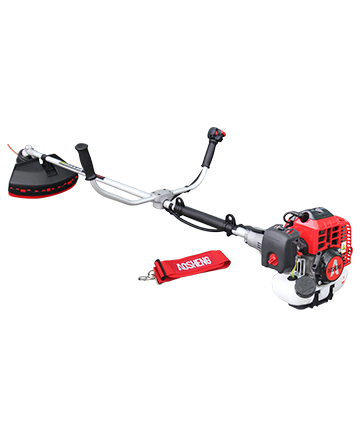 G45 2-Stroke Gasoline Brush Cutter with 42cc EngineThis brush cutter is highlighted after discussing fuel supply issues under heavy load. Its 42cc two-stroke engine and aluminum gearbox are built for dense foliage, making it a relevant choice for users needing reliable cutting performance.View Product →
Black smoke means unburned fuel passing through the cylinder. A stuck float or a needle valve that no longer seats allows raw fuel to overflow the float bowl and get pulled into the engine. The rich mixture fouls the spark plug, thins the oil film on the cylinder wall, and eventually damages the piston rings. The wasted fuel also shows up at the pump: a machine that suddenly drinks noticeably more fuel than before is usually running rich, not developing a leak. Fuel leaks are not only a performance problem. On a hot engine, fuel dripping onto the cylinder head is a fire risk.
Backfiring, by contrast, usually points to a lean mixture. When the fuel supply is weak, the mixture burns slowly, and the flame can still be traveling when the exhaust valve opens. The pop you hear is that flame lighting unburned fuel in the muffler. A blocked accelerator pump passage, or a perished intake gasket sucking air, will produce exactly this symptom.
Before you take the carburetor off, run a simple fuel-delivery test. Remove the air filter and look into the carburetor throat while you press the primer bulb or pull the starter. Fuel should visibly squirt or pulse into the throat. If it does not, the fuel line, the diaphragm, or the internal passages are blocked. After several pulls, remove the spark plug and examine the tip. A dry plug means the cylinder never received fuel. A wet, black plug means it received too much. A dry plug combined with a good spark and normal compression confirms a carburetor failure.
On two-stroke machines, check the reed valve once you reach the carburetor. A worn or broken reed petal lets the fuel mixture blow back into the intake instead of entering the cylinder, and it mimics the surging and hard-starting behavior of a dirty carburetor. Excluding the reed valve before you rebuild the carburetor will save you an unnecessary repair.
Start with a thorough cleaning. Remove the carburetor, take off the float bowl, and remove the jets. Soak everything in carburetor cleaner, then blow through every passage with compressed air. The pilot jet and the main jet are the ones that matter most. If you can see daylight through them, the carburetor will probably run.
Cleaning alone is enough when the only problem is varnish or sediment. When the gaskets are swollen from ethanol exposure, or the float needle shows a visible wear groove, replace those parts with a rebuild kit. A full carburetor replacement is the better choice when the float bowl is corroded, the body threads are stripped, or a repair kit costs nearly as much as a complete unit. On a four-stroke lawn mower, this decision tends to come up after a long storage period. On a self-propelled mower, the carburetor sits high on the engine block and is easy to access, so a rebuild makes sense for a machine that is otherwise in good condition.
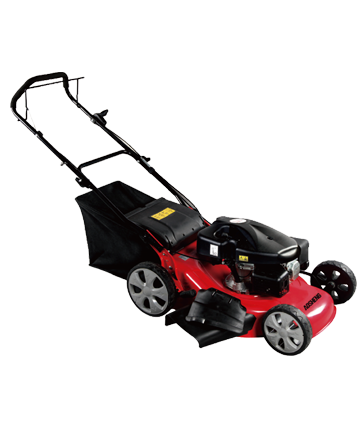 AS20TA173HA 4-Stroke Gasoline Lawn MowerShown in the context of carburetor replacement decisions for four-stroke mowers, this model features high displacement and effective grass collection, making it a practical option for those prioritizing easy access and maintenance.View Product →
Almost every carburetor failure falls into the same preventable categories: stale fuel, water in the fuel, dirt past a missing air filter, and worn rubber parts. Keep these habits and the carburetor will outlast the rest of the engine:
Prevention matters more on small engines than on cars because a garden machine carburetor is small, exposed, and subject to storage extremes. A chainsaw left standing with fuel in the tank from last autumn is a classic candidate for a carburetor rebuild this spring. If you are buying new equipment, consider how easy the carburetor is to reach and service; that design detail will save you money the first time you have to service it. Our complete range of gasoline-powered garden tools includes models with accessible carburetor placement and durable fuel-system components, a detail that becomes obvious only after years of field use.
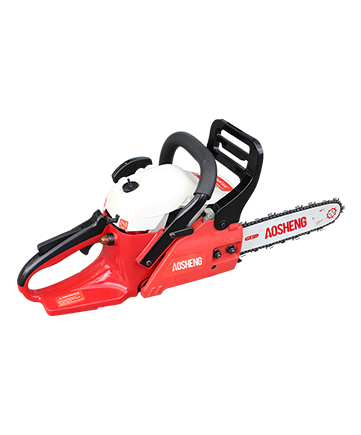 AS3800A Chainsaw with 38cc Engine and 310ml TankMentioned when discussing carburetor accessibility in new equipment, this chainsaw has a simple fuel tank connection and durable components, appealing to buyers who value serviceability and long-term reliability in garden tools.View Product →
Bad carburetor symptoms do not have to mean a dead machine. Learn the checklist, confirm the diagnosis, clean what is dirty, replace what is worn, and prevent the fuel problems that cause most of the damage. Do that, and the equipment will run through the whole season and start much more easily next spring.
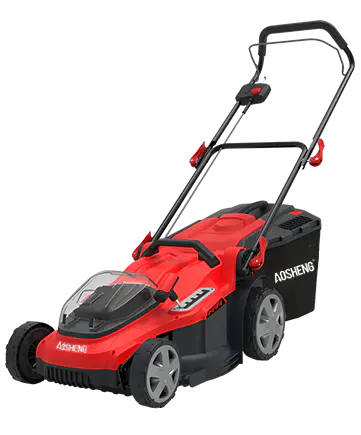
Deck Size:40CM/16INCH 3-in-1 function: Mulching, rear bagging&side discharge Easy-to-use fold-in system
See Details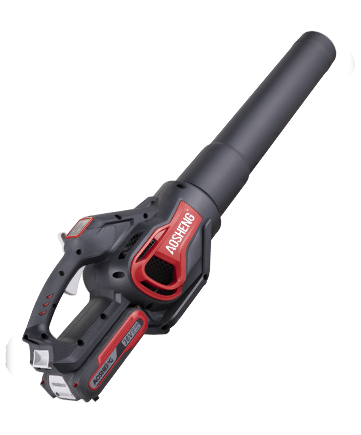
Turbine boost functionBig air volumeInstant startBackpack option for extra battery power
See Details
Extension height of 400cmOregon Bar & ChainTool-less chain tension systemAutomatic oiling systemBackpack option for extra battery power
See Details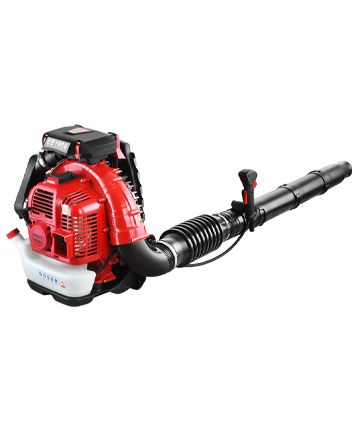
Extremely comfortable adjustable handle Large capacity fuel tank The largest air volume in China Use fire-retardant pipes to extinguish the fire Luxury widen & thicken straps Patented engine reac...
See Details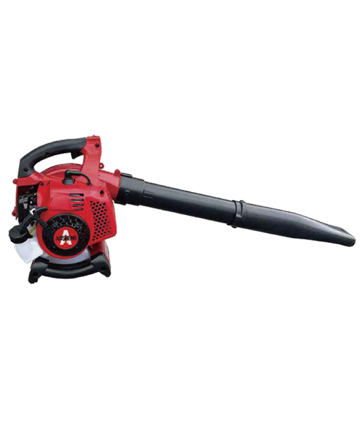
Suction and blowing Euro 5 certification Rubber-coverd handle, Strength nylon collecter.
See Details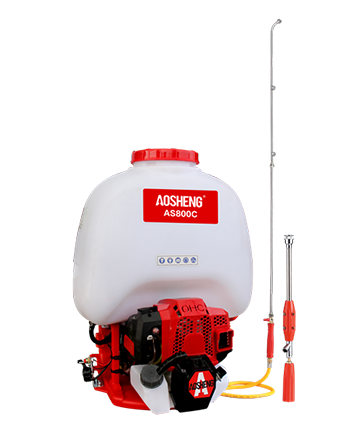
High preformence engine with high quality accessories. Copper meterial pressure pump, corrosion resistance.high atomization effect. Used in agriculture,eqidemic prevention, and disinfection.
See Details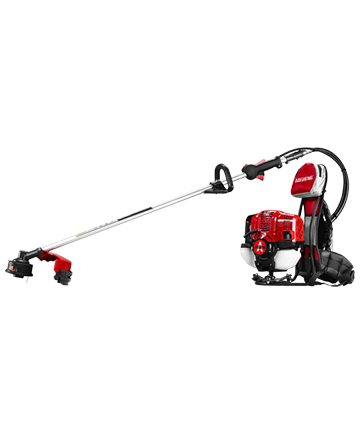
Professional engine, strength power.low consumption, easy to start.Rotating 360°Comfortable control handle and sponge belt. The trimmer head can offer a 460mm cut width. alloy blade diameter is 10 inc...
See Details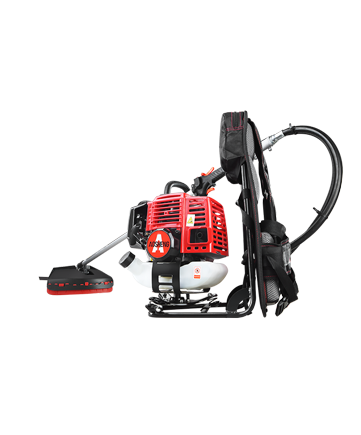
High-performance engine, displacement is 33CC.Professional use opens up wastelandTube size 26mm*1.5mm, strength flexible shaft.Cutting width is 420mmLifetime over 150hours
See Details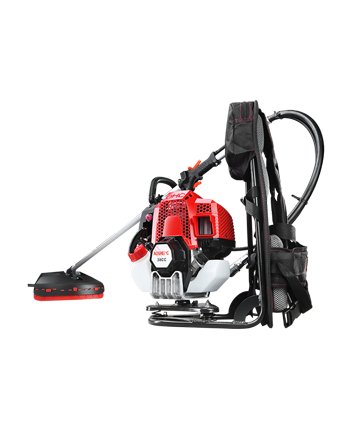
High-performance 4-stroke engine,displacement is 38CC. Professional use in the open-up wasteland Tube size 26mm*1.5mm, strength flexible shaft.Cutting width is 420mm Life time over 150hours New design...
See Details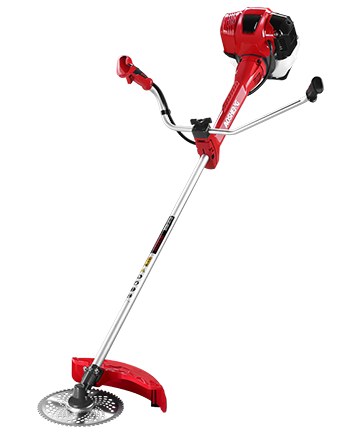
Professional engine, strength power. low consumption, easy to start.Rotating 360°The pole part uses a damper cover. The control handle can rotate 180° to decrease absorption. Rubber-covered handles ma...
See Details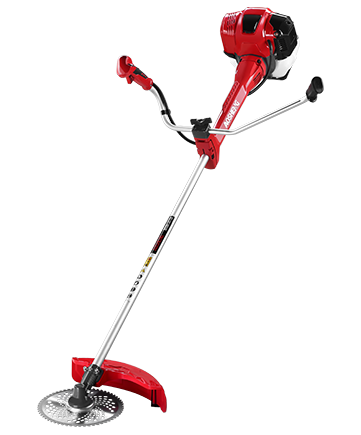
Professional engine, strength power. low consumption, easy to start. Rotating 360° The Pole part uses a damper cover. The control handle can be rotated 180° to decrease absorption. Rubber-covered hand...
See Details