

 English
 Español


news
Home / News / Industry News / Brush Cutting Guide: Choosing and Using a Brush Cutter
Home / News / Industry News / Brush Cutting Guide: Choosing and Using a Brush Cutter

Content
Brush cutting is the process of clearing thick vegetation, tall weeds, small saplings, and overgrown brush using a powered Brush Cutter fitted with a metal blade or heavy-duty cutting head, rather than a standard string trimmer designed for light grass. The key difference is power and blade type: a brush cutter runs a higher torque engine or motor paired with a rigid metal blade, which allows it to cut through woody stems and dense growth that would simply wrap around or snap a nylon trimmer line.
For most overgrown land clearing, orchard maintenance, or roadside vegetation control, a Brush Cutter is the correct tool choice over a lawn mower or trimmer, since it is purpose-built to handle stem diameters and vegetation density that other tools cannot process safely or efficiently. The rest of this guide covers the equipment types, blade options, cutting technique, and safety practices that determine how effectively a brush cutting job gets done.
String trimmers and brush cutters look similar at first glance, both using a long shaft with a spinning cutting head, but the internal power delivery and attachment options are built for very different jobs.
| Attribute | Brush Cutter | String Trimmer |
|---|---|---|
| Cutting attachment | Metal blade or heavy-duty brush blade | Flexible nylon line |
| Best suited vegetation | Thick weeds, brush, small saplings, tall dense growth | Light grass and fine weeds around edges |
| Engine or motor power | Higher torque output to drive a rigid blade | Lower power, sufficient for spinning line |
Power source is the biggest decision point when choosing a brush cutter, and it affects runtime, weight, noise, and ongoing running cost.
Modern lithium battery platforms have closed much of the power gap with gasoline engines, giving property owners a genuine choice between the two power sources rather than treating battery power as a compromise reserved only for light-duty jobs.
Matching the blade to the vegetation type is what actually determines cutting speed and how much strain the machine experiences during a job.
| Blade Type | Best Used For |
|---|---|
| 2-tooth or 3-tooth steel blade | General brush clearing and moderate density weeds |
| 8-tooth or multi-tooth brush blade | Thicker brush and small woody saplings |
| Heavy-duty saw-tooth blade | Small trees and dense woody stem clusters |
| Heavy-duty nylon line head | Tall grass and lighter mixed vegetation |
Stand with feet shoulder-width apart and sweep the blade in a controlled, even side-to-side arc rather than forcing it directly into thick brush. Letting the blade's rotational speed do the cutting work, instead of pushing hard into vegetation, reduces the chance of blade binding or the machine kicking back toward the operator.
On heavily overgrown ground, clear the area in overlapping horizontal passes from the top of the growth downward rather than attempting to cut through the full height in a single pass. This keeps the blade from bogging down in a large volume of cut material at once and produces a more even finished cut.
A metal blade spinning at high speed makes proper protective equipment essential every time a brush cutter is used.
| Property Type | Recommended Setup |
|---|---|
| Residential yards and small lots | Lithium battery brush cutter with a standard 2 or 3-tooth blade |
| Orchards and vineyards | Mid-power gasoline or high-capacity lithium unit with a multi-tooth brush blade |
| Large acreage and roadside clearing | High-displacement gasoline brush cutter with a heavy-duty saw-tooth blade |
| Landscaping and municipal maintenance crews | Commercial-grade units with interchangeable blade and line head attachments |
A dull or damaged blade is the most common reason a brush cutter feels underpowered even when the engine or motor is running correctly. Sharpening or replacing the blade regularly, clearing wrapped vegetation from the cutting head after heavy jobs, and checking the drive shaft and gearbox for wear all keep cutting performance consistent job after job.
For lithium battery models, storing the battery at a partial charge during long off-season periods and keeping contacts free of dirt and moisture helps preserve battery capacity over multiple seasons of use.
Ningbo Aosheng Machine Co., Ltd, with over 33 years of experience manufacturing garden machinery, produces both gasoline and lithium battery Brush Cutter models alongside chainsaws, blowers, lawn mowers, and hedge trimmers. The company operates more than 1,000 processing centers, including CNC machining centers and die-casting machines, across a 70,000 square meter facility, supporting an annual production capacity of 60,000 units across more than 100 product models.
When comparing brush cutter suppliers, check the engine displacement or battery voltage rating, the tube and shaft diameter, and which blade and line head attachments are compatible, since these specifications determine how the machine will actually perform against the specific vegetation on your property.
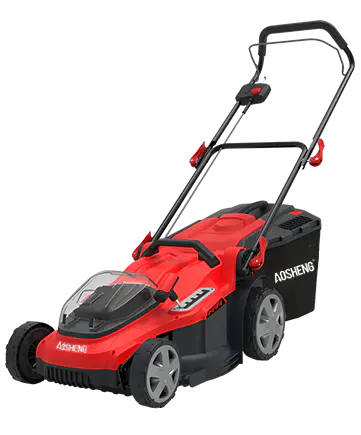
Deck Size:40CM/16INCH 3-in-1 function: Mulching, rear bagging&side discharge Easy-to-use fold-in system
See Details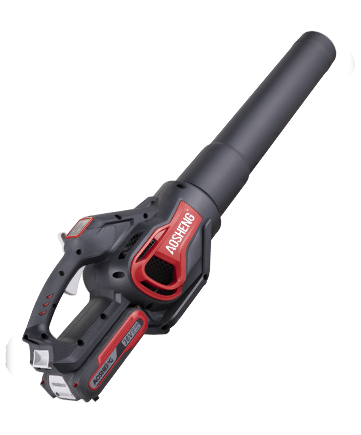
Turbine boost functionBig air volumeInstant startBackpack option for extra battery power
See Details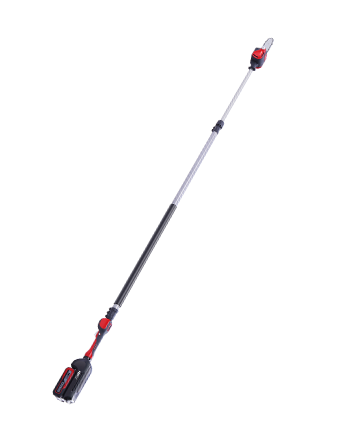
Extension height of 400cmOregon Bar & ChainTool-less chain tension systemAutomatic oiling systemBackpack option for extra battery power
See Details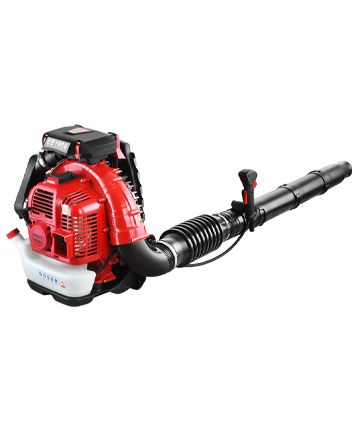
Extremely comfortable adjustable handle Large capacity fuel tank The largest air volume in China Use fire-retardant pipes to extinguish the fire Luxury widen & thicken straps Patented engine reac...
See Details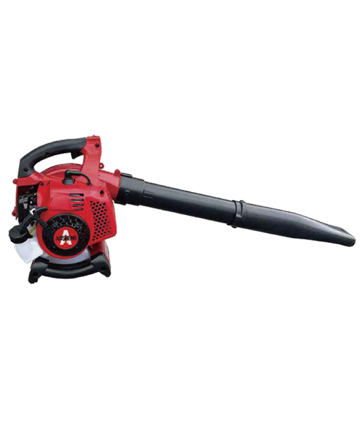
Suction and blowing Euro 5 certification Rubber-coverd handle, Strength nylon collecter.
See Details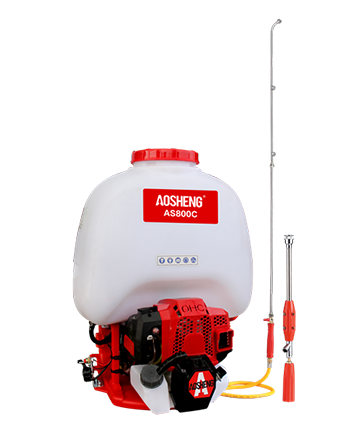
High preformence engine with high quality accessories. Copper meterial pressure pump, corrosion resistance.high atomization effect. Used in agriculture,eqidemic prevention, and disinfection.
See Details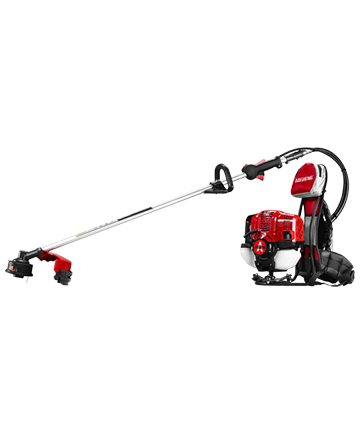
Professional engine, strength power.low consumption, easy to start.Rotating 360°Comfortable control handle and sponge belt. The trimmer head can offer a 460mm cut width. alloy blade diameter is 10 inc...
See Details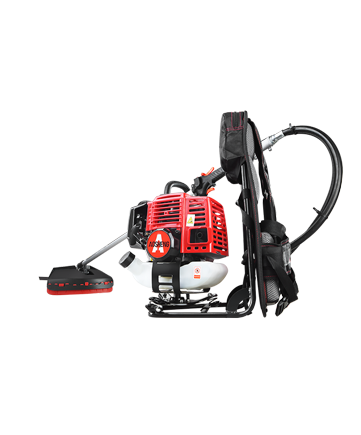
High-performance engine, displacement is 33CC.Professional use opens up wastelandTube size 26mm*1.5mm, strength flexible shaft.Cutting width is 420mmLifetime over 150hours
See Details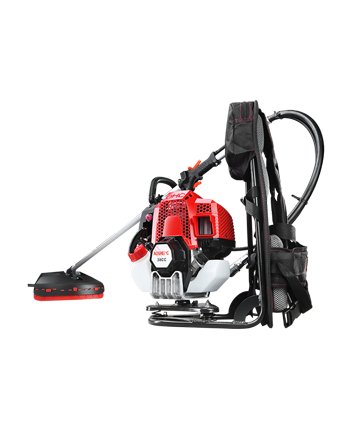
High-performance 4-stroke engine,displacement is 38CC. Professional use in the open-up wasteland Tube size 26mm*1.5mm, strength flexible shaft.Cutting width is 420mm Life time over 150hours New design...
See Details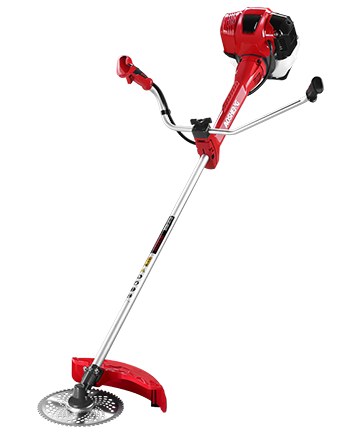
Professional engine, strength power. low consumption, easy to start.Rotating 360°The pole part uses a damper cover. The control handle can rotate 180° to decrease absorption. Rubber-covered handles ma...
See Details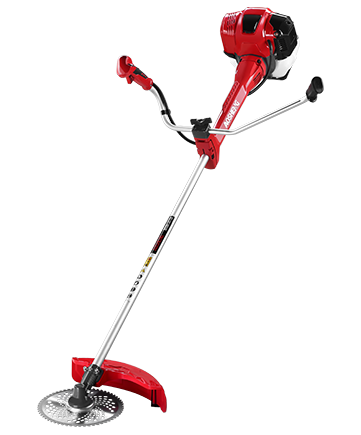
Professional engine, strength power. low consumption, easy to start. Rotating 360° The Pole part uses a damper cover. The control handle can be rotated 180° to decrease absorption. Rubber-covered hand...
See Details