

 English
 Español


news
Home / News / Industry News / Can Lawn Mowers Overheat? Causes, Signs & Lithium Battery Fixes
Home / News / Industry News / Can Lawn Mowers Overheat? Causes, Signs & Lithium Battery Fixes

Content
Yes, lawn mowers can and do overheat, and it is one of the most common reasons for sudden mid-mow shutdowns, engine stalling, and premature equipment failure. Gas-powered mowers overheat because their internal combustion engines produce continuous friction and combustion heat that must be dissipated through airflow, oil circulation, and cooling fins. When any part of that system is blocked or degraded, engine temperature climbs rapidly and can cause permanent damage within minutes.
Electric mowers and Lithium Battery Lawn Mowers face a different type of heat challenge — one centered on the battery pack and motor rather than a combustion chamber. The good news is that modern lithium-powered garden equipment is engineered with dedicated safety systems that actively monitor and control temperature, making overheating far less likely and far less destructive when it does occur. The rest of this guide breaks down exactly why mowers overheat, how to recognize the warning signs early, and what steps reduce the risk regardless of which type of mower you own.
Heat buildup in lawn equipment rarely happens for just one reason. In most cases, several small issues combine to push internal temperatures past a safe operating range. Below are the most frequently reported causes, ranked from most to least common based on general outdoor power equipment maintenance data.
Notably, most overheating incidents are preventable through routine cleaning, timely maintenance, and sensible load management rather than being an unavoidable mechanical flaw. This applies equally to gas engines and to the motor systems inside Lithium Battery Lawn Mowers.
Catching overheating early is the single best way to avoid costly repairs or a ruined mowing session. The symptoms differ depending on whether you are running a gas engine or a battery-powered system.
Unlike gas engines that rely on constant combustion to generate power, a modern lithium-ion lawn mower produces heat mainly at two points: the battery pack and the drive motor. Because these components are electronic rather than mechanical, engineers can build in intelligent safeguards that a fuel-based engine simply cannot replicate.
The core of this protection is the Battery Management System (BMS), a small onboard circuit that continuously tracks cell temperature, voltage, and current draw in real time. When readings approach an unsafe threshold, the BMS automatically throttles power output or halts operation entirely before any damage occurs. This is a major reason Lithium Battery Lawn Mowers are considered a safer long-term option compared to older lead-acid electric models or traditional gas engines, neither of which offers this level of active thermal regulation.
The table below summarizes the key differences in how each mower type handles heat under typical residential mowing conditions.
| Factor | Gas-Powered Mower | Lithium Battery Lawn Mower |
|---|---|---|
| Primary Heat Source | Internal combustion engine | Battery pack and motor |
| Built-in Thermal Protection | Minimal or none | Battery Management System (BMS) |
| Response to Overheating | Engine stall, possible damage | Controlled automatic shutdown |
| Routine Maintenance Needed | Oil changes, filters, spark plugs | Occasional vent cleaning only |
| Noise During Operation | High | Low |
| Safe Operating Range | Varies by engine design | 0°C to 45°C (32°F to 113°F) |
Whether you own a gas mower or a battery-powered lawn mower, these practical habits meaningfully reduce the risk of heat-related failure and extend the machine's working life.
Following this routine not only prevents overheating but also meaningfully extends the overall lifespan of the mower, whether it runs on fuel or a rechargeable lithium pack.
If your current gas mower frequently overheats, stalls under load, or demands constant maintenance, upgrading to a Lithium Battery Lawn Mower is a practical long-term solution worth considering. Modern lithium-powered garden tools are engineered with integrated thermal sensors, smart charging circuits, and lightweight ventilated housings that reduce the likelihood of heat-related failures compared to older lead-acid electric or gas-powered equipment.
Manufacturers of lithium battery garden tools design their systems around consistent power delivery and controlled temperature ranges rather than depending on manual maintenance to prevent overheating. This makes them a lower-maintenance, generally safer option for homeowners who want dependable performance without the risks that come with combustion engines.
For readers researching available options, dedicated lithium-powered lawn mower product lines typically list battery capacity, estimated runtime, motor type, and thermal safety features in their catalogs, making it easier to compare specifications before making a purchase decision.
It is extremely rare when the mower uses a properly certified Battery Management System. The BMS is specifically designed to cut power before temperatures reach a dangerous threshold, making thermal runaway highly unlikely under normal residential use conditions.
Most lithium-ion battery packs are rated to operate safely between 0°C and 45°C (32°F to 113°F). If the housing feels uncomfortably hot to hold with a bare hand, it is best to stop use, remove the battery, and let it cool before continuing or recharging.
Generally, yes. A cordless mower lacks the constant combustion process that generates heat in gas engines, and its electronic safeguards typically respond faster to rising temperatures than a purely mechanical cooling system can.
No. If a mower shuts down on its own, this is almost always a protective response. Turn the machine off, let it rest in a shaded area for at least 15 to 20 minutes, and inspect for blockages or debris before resuming work.
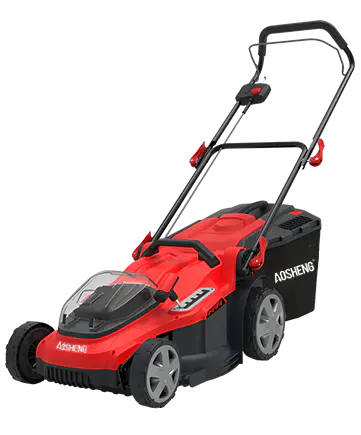
Deck Size:40CM/16INCH 3-in-1 function: Mulching, rear bagging&side discharge Easy-to-use fold-in system
See Details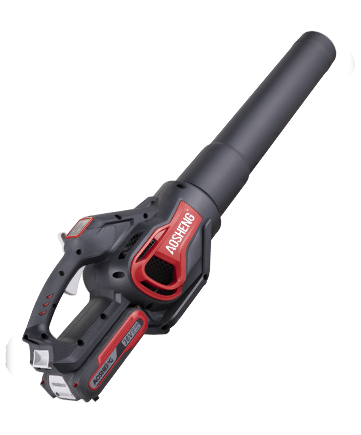
Turbine boost functionBig air volumeInstant startBackpack option for extra battery power
See Details
Extension height of 400cmOregon Bar & ChainTool-less chain tension systemAutomatic oiling systemBackpack option for extra battery power
See Details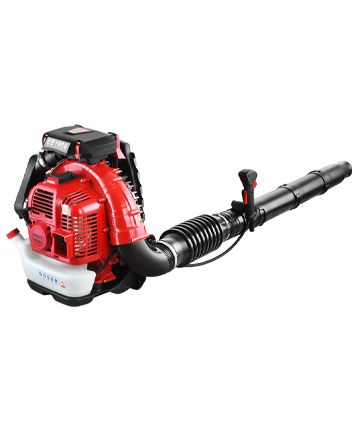
Extremely comfortable adjustable handle Large capacity fuel tank The largest air volume in China Use fire-retardant pipes to extinguish the fire Luxury widen & thicken straps Patented engine reac...
See Details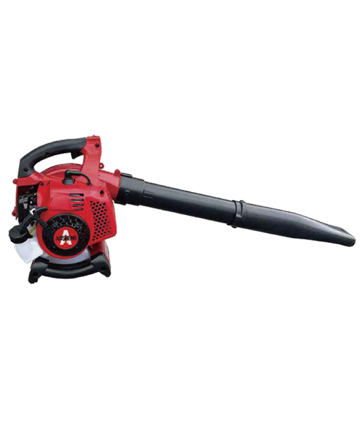
Suction and blowing Euro 5 certification Rubber-coverd handle, Strength nylon collecter.
See Details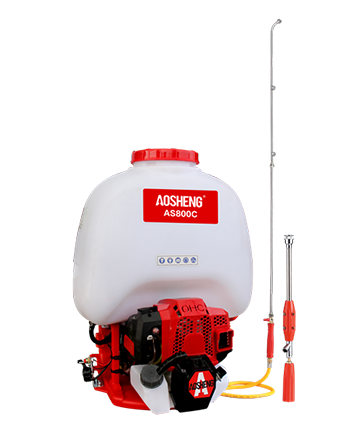
High preformence engine with high quality accessories. Copper meterial pressure pump, corrosion resistance.high atomization effect. Used in agriculture,eqidemic prevention, and disinfection.
See Details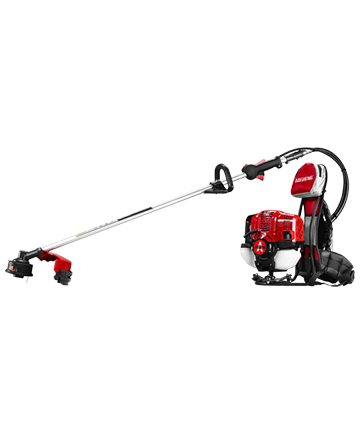
Professional engine, strength power.low consumption, easy to start.Rotating 360°Comfortable control handle and sponge belt. The trimmer head can offer a 460mm cut width. alloy blade diameter is 10 inc...
See Details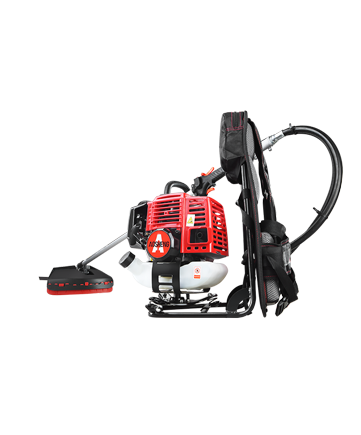
High-performance engine, displacement is 33CC.Professional use opens up wastelandTube size 26mm*1.5mm, strength flexible shaft.Cutting width is 420mmLifetime over 150hours
See Details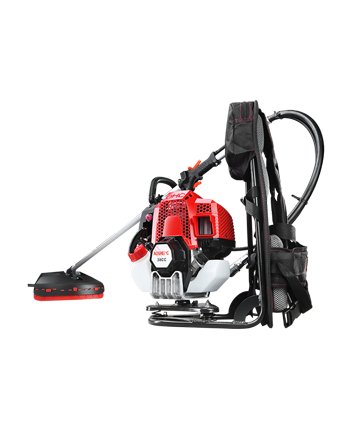
High-performance 4-stroke engine,displacement is 38CC. Professional use in the open-up wasteland Tube size 26mm*1.5mm, strength flexible shaft.Cutting width is 420mm Life time over 150hours New design...
See Details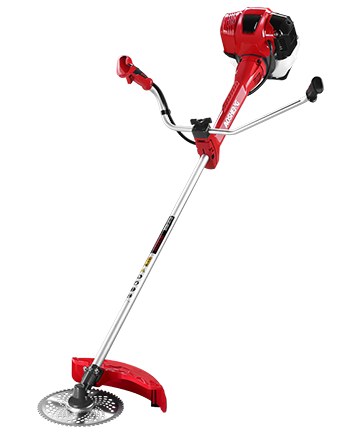
Professional engine, strength power. low consumption, easy to start.Rotating 360°The pole part uses a damper cover. The control handle can rotate 180° to decrease absorption. Rubber-covered handles ma...
See Details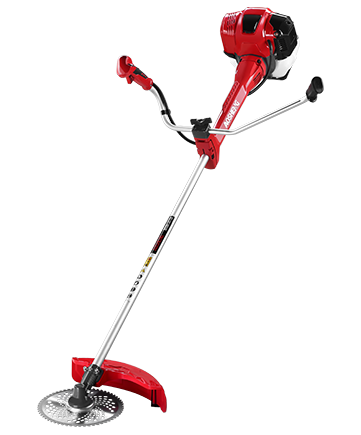
Professional engine, strength power. low consumption, easy to start. Rotating 360° The Pole part uses a damper cover. The control handle can be rotated 180° to decrease absorption. Rubber-covered hand...
See Details