

 English
 Español


news
Home / News / Industry News / Chainsaw Kickback Explained: Bar Nose Geometry, Chain Brakes and Safe Cutting
Home / News / Industry News / Chainsaw Kickback Explained: Bar Nose Geometry, Chain Brakes and Safe Cutting

Content
A 45 cm bar buried in a storm-felled oak, a limb still under tension, and a saw that climbs out of the kerf and comes back at chest height: that is the sequence behind most chain saw injuries, and it usually takes under a second. The operator did not slip, and the machine did not fail. The bar nose touched wood while the chain was still running at full speed. Kickback has a known geometry, and once that geometry is named out loud, it can be designed out of the job.
Rotational kickback happens when the upper quadrant of the bar nose — the roughly 45-degree arc at the top of the tip, defined as the kickback zone in ISO 11681 and ANSI/OPEI B175.1 — contacts wood while the chain is moving. Cutters bite, the chain tries to climb, and the bar pivots around the contact point. The rear handle travels up and back toward the operator's head and shoulders. How violent that reaction is depends on chain speed, nose radius and how much of the nose is engaged: a narrow nose on a 14-inch bar is far more forgiving than a wide nose on a 24-inch bar.
Two related reactions are often lumped in with kickback and should be kept separate, because they are avoided differently. Pushback drives the saw straight back along the line of the cut when the kerf closes on the top of the bar. Pull-in drags the saw forward and down when the chain catches on the underside. Neither involves the tip, and both are usually a symptom of a pinched bar or a chain being forced rather than fed.
| Reaction | Trigger | What the operator feels | Typical injury site |
|---|---|---|---|
| Rotational kickback | Upper bar-nose quadrant touches wood with the chain at speed | Bar rises and rotates back in a fraction of a second | Head, neck, shoulder, left hand |
| Pushback | Kerf closes on the top of the bar and stalls the chain | Saw driven straight back along the cut line | Torso, arms, wrists |
| Pull-in | Chain catches on the underside of the bar or on a buried nose | Saw pulled forward and down, operator pulled off balance | Legs, knees, feet |
The table is as useful on a purchase order as it is in a training room. Rotational kickback is the reaction that bar and chain specification can influence; pushback and pull-in are mostly controlled by cutting technique and by keeping the chain sharp enough that the saw does not need to be levered through the wood.
A chain brake is the only component on the saw that reacts faster than the operator. The front hand guard trips it, either manually when the left hand is pushed forward, or through inertia when the saw body rotates sharply about the wrist. Manufacturers typically quote stop times well under a tenth of a second from the moment of activation — which is precisely why the brake has to be tested rather than assumed.
What the brake cannot do is compensate for a nose buried in wood. Inertia activation needs the saw to rotate, and a slow, heavy pushback may not generate enough rotation to fire the mechanism. Treat the brake as a second line of defence and keep the first line, bar-nose discipline, in place.
The habits below show up consistently in operator training and in the field. They are also the practical content of any decent course on correct chain saw handling, and none of them depends on the size of the engine.
One workable rule for crews: if the job needs the nose, it needs a second person watching the limb and a documented bore-cut procedure. If it does not need the nose, the nose stays out of the kerf for the whole shift.
For importers, rental fleets and project buyers, kickback risk starts on the specification sheet, not on the job site. Three parameters do most of the work.
A 50 cc class gasoline saw with a 20-inch bar is the usual compromise for felling and firewood work, where the extra reach saves bending and the torque keeps the chain speed stable under load.
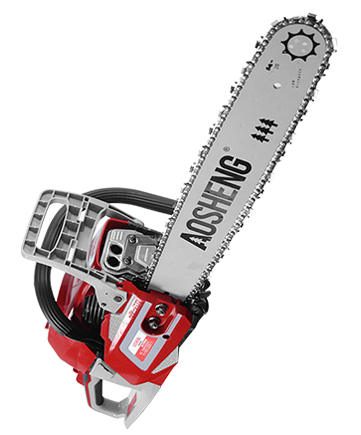 AS5200A 20-Inch Gasoline ChainsawA 49.3 cc gasoline chainsaw with a 20-inch bar and 2.0 kW engine, suited to felling and firewood work where reach and stable chain speed matter.View Product →
On the cordless side, the trade-off changes. Instant motor torque means the chain reaches full speed almost immediately, so a careless tip contact produces a sharp reaction with no engine note to warn the operator. A 40V platform with a 16-inch bar suits orchard pruning and storm cleanup where noise and exhaust are the deciding factors.
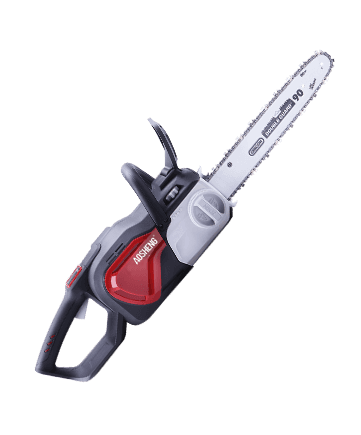 A40LJ16B01 40V 16-Inch Cordless ChainsawA 40V brushless chainsaw with a 16-inch Oregon bar and chain, two speeds, and tool-less tensioning for orchard pruning and storm cleanup.View Product →
For courtyard and light pruning work, a compact 20V saw with a short bar and a small nose radius keeps the kickback zone physically small, which is exactly what an occasional user needs.
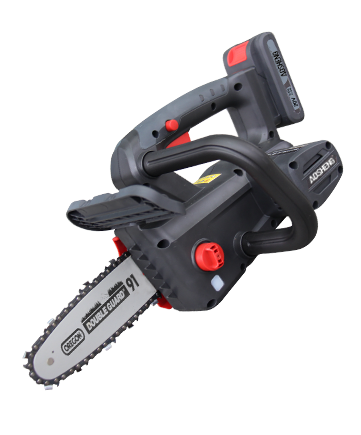 H20LJ08 20V 8-Inch Cordless ChainsawA compact 20V chainsaw with an 8-inch Oregon bar and chain, 150 ml oil tank, and 2.6 kg weight without battery for courtyard pruning.View Product →
A worn chain does not simply cut slowly. As depth gauges drop or cutters round over, the operator pushes harder, the bar loads unevenly, and the nose becomes the part of the bar most likely to take the strain. These are the checkpoints worth writing into a service schedule.
| Item | Target or tolerance | Interval |
|---|---|---|
| Chain tension | No sag on the underside; chain snaps back against the bar with light drag | Every refuel or battery change |
| Depth gauges | 0.64 mm (0.025 in) below the cutter tip | Every third sharpening |
| Cutter profile | 30-degree top plate angle, file diameter matched to chain pitch | When chips turn to dust |
| Nose sprocket | Turns freely, no hooking, flats or exposed bearing | Monthly, or every 20 operating hours |
| Brake band and spring | No glazing, full guard return, no oil saturation | Pre-season, and after any drop or impact |
Leg protection rated to EN ISO 11393-2 or the equivalent ASTM standard, a helmet with face shield and ear defenders, and boots with cut-resistant uppers are what stand between a kickback and a hospital visit. They buy reaction time; they do not replace technique. The same applies to training. A one-day course that covers the kickback zone, bore-cut procedure and brake drills changes operator behaviour more than any single feature on the saw.
The practical summary for anyone specifying, buying or running chain saws: match the bar to the engine, specify low-kickback chain for mixed and occasional use, keep the brake band in stock, and train the nose rule until it becomes automatic. A saw that fits the wood, a chain that is sharp, and a brake that has been tested this month will prevent far more injuries than a warning label. If you are building a dealer programme or a fleet specification around these points, talk to our team about models, spare parts and supporting documentation.
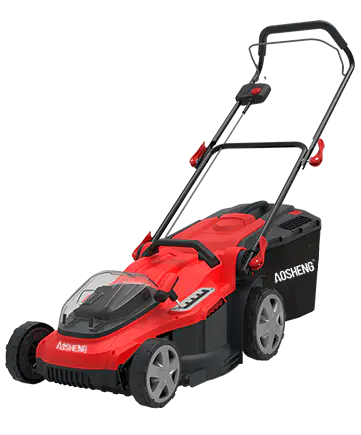
Deck Size:40CM/16INCH 3-in-1 function: Mulching, rear bagging&side discharge Easy-to-use fold-in system
See Details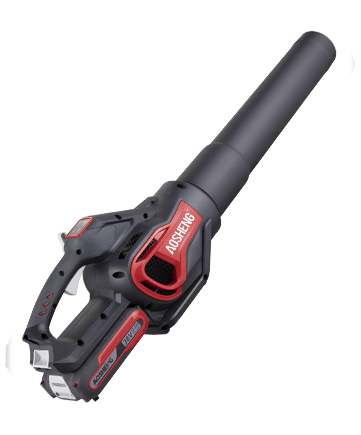
Turbine boost functionBig air volumeInstant startBackpack option for extra battery power
See Details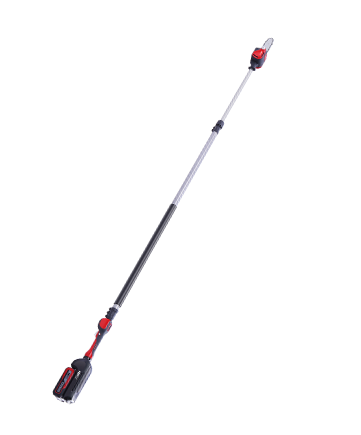
Extension height of 400cmOregon Bar & ChainTool-less chain tension systemAutomatic oiling systemBackpack option for extra battery power
See Details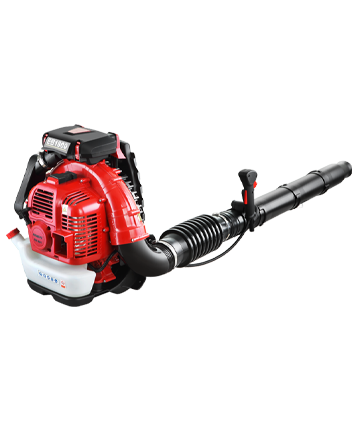
Extremely comfortable adjustable handle Large capacity fuel tank The largest air volume in China Use fire-retardant pipes to extinguish the fire Luxury widen & thicken straps Patented engine reac...
See Details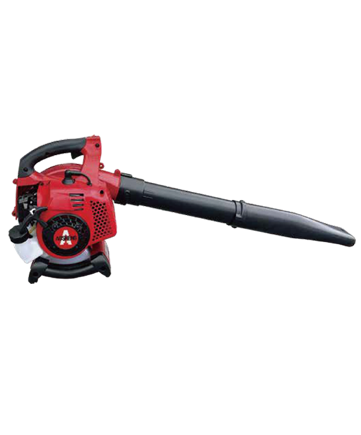
Suction and blowing Euro 5 certification Rubber-coverd handle, Strength nylon collecter.
See Details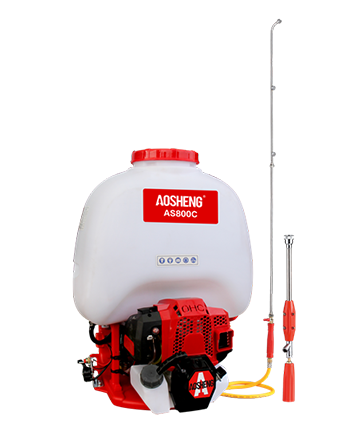
High preformence engine with high quality accessories. Copper meterial pressure pump, corrosion resistance.high atomization effect. Used in agriculture,eqidemic prevention, and disinfection.
See Details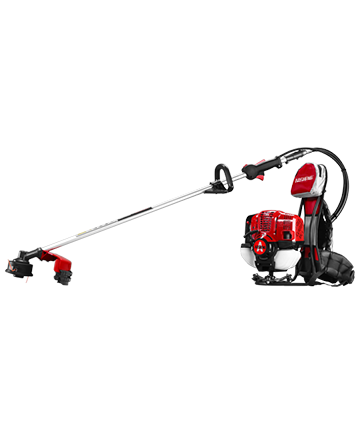
Professional engine, strength power.low consumption, easy to start.Rotating 360°Comfortable control handle and sponge belt. The trimmer head can offer a 460mm cut width. alloy blade diameter is 10 inc...
See Details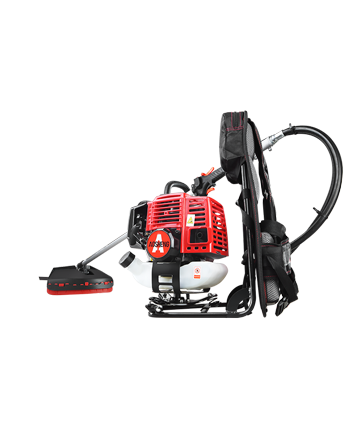
High-performance engine, displacement is 33CC.Professional use opens up wastelandTube size 26mm*1.5mm, strength flexible shaft.Cutting width is 420mmLifetime over 150hours
See Details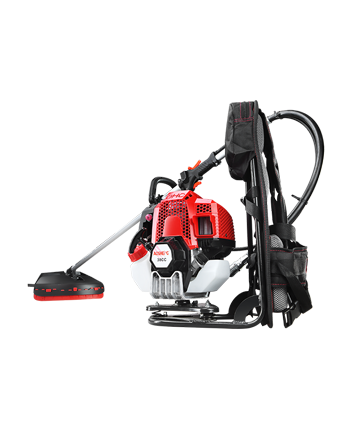
High-performance 4-stroke engine,displacement is 38CC. Professional use in the open-up wasteland Tube size 26mm*1.5mm, strength flexible shaft.Cutting width is 420mm Life time over 150hours New design...
See Details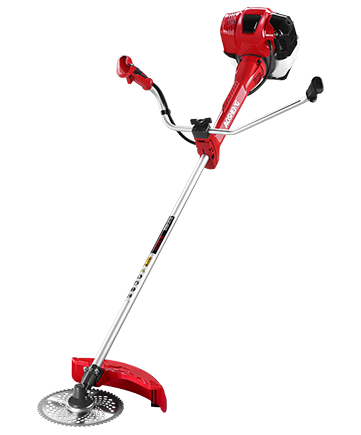
Professional engine, strength power. low consumption, easy to start.Rotating 360°The pole part uses a damper cover. The control handle can rotate 180° to decrease absorption. Rubber-covered handles ma...
See Details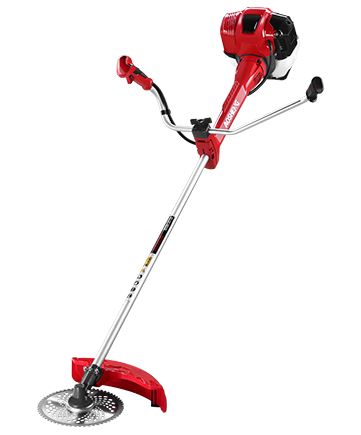
Professional engine, strength power. low consumption, easy to start. Rotating 360° The Pole part uses a damper cover. The control handle can be rotated 180° to decrease absorption. Rubber-covered hand...
See Details