

 English
 Español

news
Home / News / Industry News / Chainsaw Leaks Oil: How to Tell Normal Residue From Real Leaks and Fix Them
Home / News / Industry News / Chainsaw Leaks Oil: How to Tell Normal Residue From Real Leaks and Fix Them

Content
The oil spot appears like clockwork. You park the chainsaw after an afternoon of firewood cutting, and the concrete under the bar tip has a dark patch by morning. Most chainsaws leak a little bar oil, and a small residue under the bar is not a reason for alarm.
Spots under the bar tip are normal. A steady drip that keeps running overnight is not. The difference lies in where the oil shows up and how quickly it collects.
The oil system is simple when you trace it from tank to bar. The pump moves bar oil from the tank through a small line into the guide bar groove. During cutting, the chain carries oil along the rail and throws most of it off as it spins. When the engine stops, oil left in the pump, line, and bar groove starts to drain by gravity.
That explains the damp patch that appears within 24 to 48 hours after a run. It is residual oil, not a failure. Some chainsaws include a check valve that closes when the pump stops, which keeps the leaked droplet small. On models without that valve, more residual oil flows out, and the wet spot looks slightly larger. Both are normal.
As a rough guide, one drip every three to five seconds during a 30-second idle test is within normal circulation. The oil grade also affects how much residue you see. A standard SAE 30 or ISO VG 68 bar oil holds up well for spring through fall. Thinner or recycled oil can flood the bar and leave a bigger spot than a true pump problem would.
An abnormal leak goes beyond a small damp spot. It runs long enough to collect a puddle or keeps thinning the oil in the tank faster than the chain can use it. Four causes show up most often.
Perished oil tube - the rubber line between the tank and pump sits near the engine, so heat and vibration age it quickly. Two or three seasons of regular use often brings cracks near the barbed fitting.
Loose or cracked oil cap - the cap relies on a rubber seal. A rounded O-ring or a crack in the cap sends oil around the filler neck.
Worn oil pump - on gasoline saws, the piston pump wears against its bore. When the bore gets sloppy, oil feed becomes irregular and the excess escapes through the clutch cover.
Overfilled tank - warm oil expands. Filling to the brim creates enough pressure at the filler neck to push a small amount through the vent.
Swapping in a guide bar from a different saw can also create uneven oil delivery. Bars vary in groove width and oil hole spacing, so an incorrect bar often leaves oil tracks that look like a leak.
| Symptom | Likely Cause | Action |
|---|---|---|
| Oil spot under bar tip after use | Normal residual oil | Wipe bar; store saw bar-up |
| Dripping around filler cap | Loose or worn cap seal | Tighten cap; replace O-ring |
| Continuous drip under clutch cover | Damaged oil line or pump | Replace tube; service pump |
| Chain runs dry while tank stays full | Clogged oil port or pump failure | Clean port; adjust pump screw |
You can trace the source without tools in about ten minutes. Here is the routine I use in our service area.
If oil appears near the filler cap, inspect the cap seal. Oil leaking from the gap between the clutch cover and the engine case points to the pump. Oil emerging at the bar mount hole means the oil line inside the body is damaged. If you see a thin oil trace running from the bar tip to the edge of the paper, the pump is pushing oil correctly. If the trace stops halfway, check the groove and the bar oil hole. A blocked groove will push oil to the outside of the bar rather than into the rail.
Most oil leaks respond to simple parts and service. I have listed them below in the order they should be checked.
Before you start, make sure the engine is off and the chain brake is engaged. Bar oil is slippery, so wipe your hands before handling the saw. For winter work, use ISO VG 46 bar oil. For sustained work above 30°C, ISO VG 100 clings better and reduces waste. Before long storage, drain the tank, run the saw until the line is empty, and store the unit upright to prevent residual oil from settling into cases.
Repeated oil system failures may be a sign that the saw has reached the end of its economical service life. If the repair bill approaches half the price of a fresh unit, upgrading is often smarter than chasing worn internal seals.
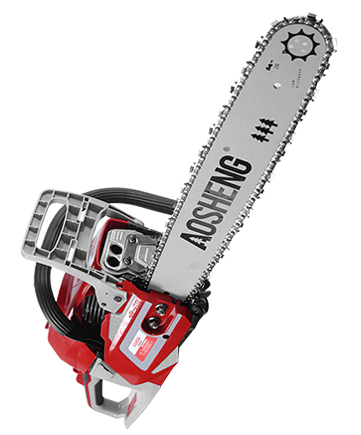 AS5200A 20inch ChainsawNew design cover, fashion.View Product →
At 52cc displacement, the AS5200A gas chainsaw carries a 20-inch bar for firewood and falling work. Its adjustable oiler gives you direct control over feed rate, a feature that matters on a saw used daily.
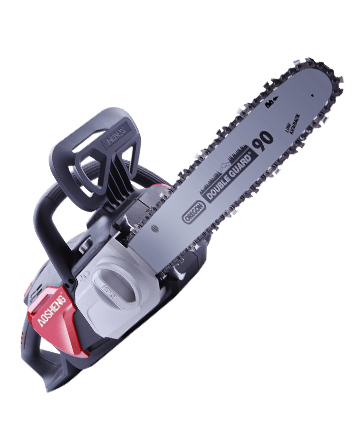 A40LJ14B01 40V 14inch Lithium-ion ChainsawOregon Bar Chain Tool-less chain tension system Automatic oiling system Kickback brake for added safety and control Backpack option for extra battery powerView Product →
For mixed yard work, the H40LJ14 lithium chainsaw runs on a 14-inch bar and avoids the fuel line issues that can contribute to oil line damage on older gasoline models.
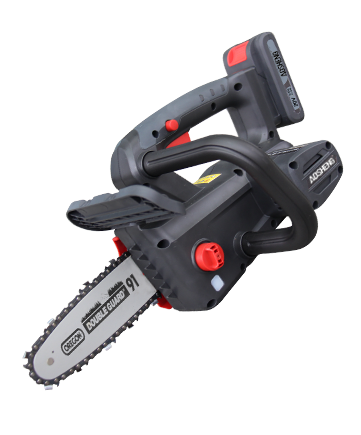 H20LJ08 20V Cordless ChainsawHow to Tune a 2-Stroke Carburetor: H and L Screw Guide for Small Engines 2026-08-28 Your brush cutter starts on the third pull, idles unevenly, and dies the moment you...View Product →
For occasional pruning, the H20LJ08 cordless chainsaw is a lightweight option that removes the oil tank pressure question entirely. You only manage the battery and the chain oil.
A few routines cut down on oil mess and extend the life of the oiler.
For operators running multiple saws, keep the same oil grade across the fleet. This avoids resetting the pump for each machine when you switch between them. Seasonal service covers the rest. Our maintenance guide on how to properly maintain a gasoline chain saw walks through the key checks, and the proper chain saw operation guide explains safe handling before you pull the recoil starter.
Oil on the garage floor is rarely a reason to panic. Understand what the oil system is supposed to do, and you can separate normal residue from a repair that needs attention. A few minutes of diagnosis now saves you from a flooded floor and a dry chain later.
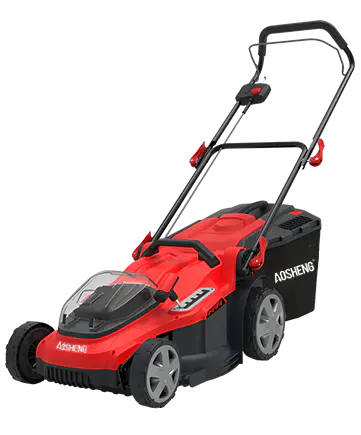
Deck Size:40CM/16INCH 3-in-1 function: Mulching, rear bagging&side discharge Easy-to-use fold-in system
See Details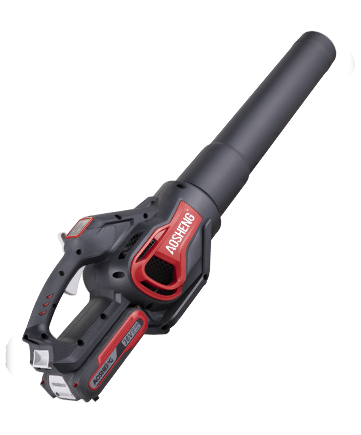
Turbine boost functionBig air volumeInstant startBackpack option for extra battery power
See Details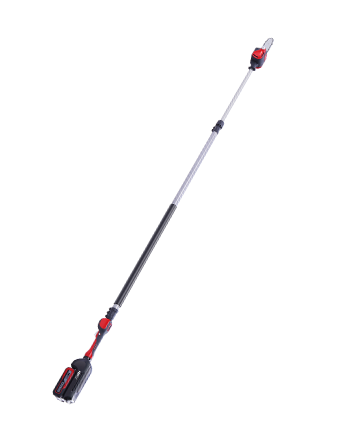
Extension height of 400cmOregon Bar & ChainTool-less chain tension systemAutomatic oiling systemBackpack option for extra battery power
See Details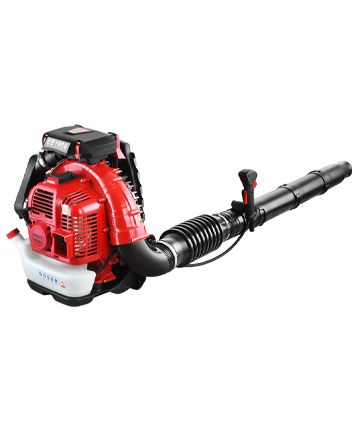
Extremely comfortable adjustable handle Large capacity fuel tank The largest air volume in China Use fire-retardant pipes to extinguish the fire Luxury widen & thicken straps Patented engine reac...
See Details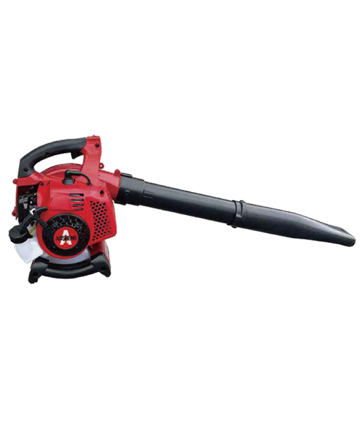
Suction and blowing Euro 5 certification Rubber-coverd handle, Strength nylon collecter.
See Details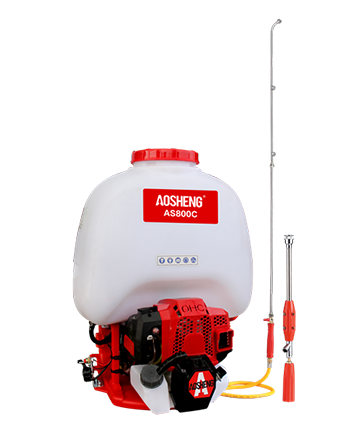
High preformence engine with high quality accessories. Copper meterial pressure pump, corrosion resistance.high atomization effect. Used in agriculture,eqidemic prevention, and disinfection.
See Details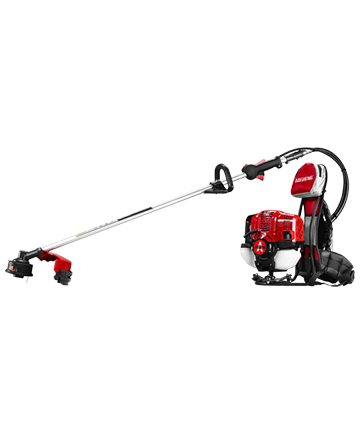
Professional engine, strength power.low consumption, easy to start.Rotating 360°Comfortable control handle and sponge belt. The trimmer head can offer a 460mm cut width. alloy blade diameter is 10 inc...
See Details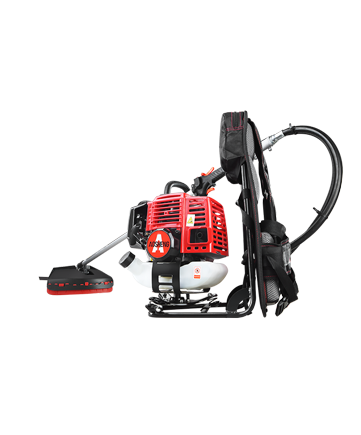
High-performance engine, displacement is 33CC.Professional use opens up wastelandTube size 26mm*1.5mm, strength flexible shaft.Cutting width is 420mmLifetime over 150hours
See Details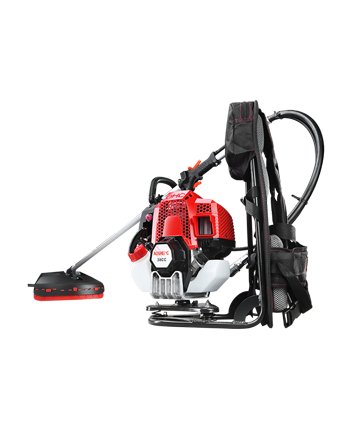
High-performance 4-stroke engine,displacement is 38CC. Professional use in the open-up wasteland Tube size 26mm*1.5mm, strength flexible shaft.Cutting width is 420mm Life time over 150hours New design...
See Details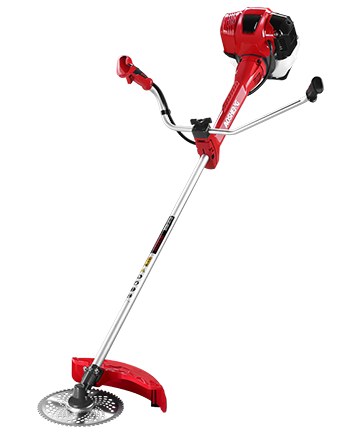
Professional engine, strength power. low consumption, easy to start.Rotating 360°The pole part uses a damper cover. The control handle can rotate 180° to decrease absorption. Rubber-covered handles ma...
See Details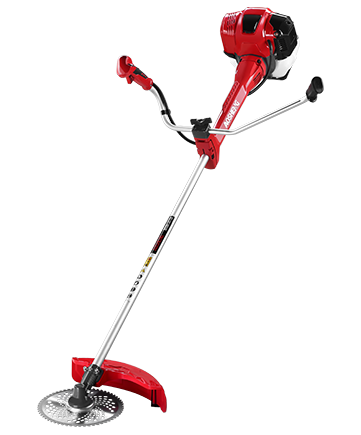
Professional engine, strength power. low consumption, easy to start. Rotating 360° The Pole part uses a damper cover. The control handle can be rotated 180° to decrease absorption. Rubber-covered hand...
See Details