

 English
 Español


news
Home / News / Industry News / Chainsaw Oil Pump: How It Works, Why It Fails, and What Buyers Should Check
Home / News / Industry News / Chainsaw Oil Pump: How It Works, Why It Fails, and What Buyers Should Check

Content
Thirty seconds of cutting with a dry bar is enough to blue the rails and ruin a chain. In the repair cases that cross our bench, the oil pump is often still turning; the real fault sits upstream or downstream of it — a clogged pickup screen, a hardened O-ring, or a bar oil hole packed with sawdust. The pump is a small, inexpensive component, but its output decides how long the bar, chain and clutch survive. Below is what the pump does, how to measure its output with a stopwatch and a sheet of cardboard, which failure patterns justify repair or replacement, and which specifications matter when you order.
On a gasoline saw the pump is normally driven from the crankshaft through a worm gear on the clutch drum. As the drum turns, the worm rotates a cam or eccentric that strokes a small plunger or piston. On the intake stroke, oil is drawn from the tank through a pickup screen and a check valve; on the pressure stroke, it is pushed through a drilled passage in the crankcase to the bar pad, where it meets a matching hole in the bar and is carried around the groove by the moving chain. Adjustable pumps have a screw that changes plunger stroke, so delivery can be matched to bar length and wood condition. Fixed pumps are set at the factory and cannot be trimmed. For a fuller view of the surrounding system, see how a gasoline chain saw works.
Output figures vary with displacement and bar length, but a useful field reference for a mid-size petrol saw is roughly 1–2 ml/min at idle and 4–8 ml/min at full throttle. A 0.3–0.6 L oil tank should broadly last about one to two tanks of fuel. If the oil tank is still half full after two tanks of fuel, the chain is almost certainly running dry.
A dry chain is not proof of a dead pump. Sawdust packed into the bar groove, a blocked oil hole, a kinked tank vent or oil that is too thick for cold weather can stop delivery while the pump itself is healthy. Check the bar, the oil hole and the tank vent before condemning the pump.
| Failure mode | What the operator notices | Likely cause | Action |
|---|---|---|---|
| Worn plunger or piston | Output falls gradually; the adjuster has little effect | Normal wear after hundreds of hours, abrasive dust in the oil | Replace the pump and clean the tank screen |
| Stuck check valve | No oil at idle, then a sudden surge at speed | Contamination or gummed oil from long storage | Clean or replace the valve; flush the tank |
| Blocked pickup screen | Low output; strainer coated with a gel-like film | Sawdust or polymerized bio-oil | Clean the screen; replace if torn |
| Leaking worm shaft seal | Oil under the clutch cover, clutch slipping | Hardened seal, heat, overfilled tank | Replace the seal; replace the pump if the shaft is scored |
| Cracked pump body | Steady leak, no pressure at the bar pad | Frost damage or over-tightened screws | Replace the pump and check screw torque |
| Blocked bar oil hole | Pump output looks fine but the chain still runs dry | Resin and dust packed into the groove | Clean the groove and dress the rails |
For importers, the recurring procurement risks are dimensional mismatch between pump and crankcase, counterfeit pumps sold under a model number, and pumps assembled with the wrong check-valve spring. Ask for the illustrated parts list, the output curve and a sample tested at operating temperature.
On a 20-inch petrol saw such as the AS5200A, the pump has to keep up with a longer bar and a larger oil tank. A worn pump shows up first as a dry nose when the saw is buried in hardwood, because the bar needs more oil at the tip than at the tail.
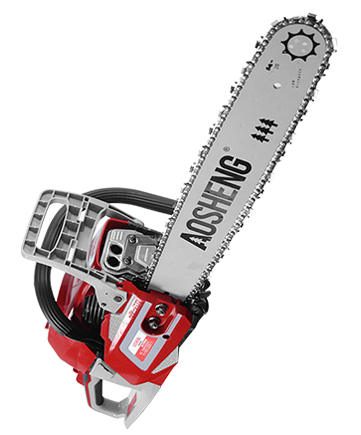 AS5200A 20-Inch Gasoline Chainsaw with Automatic OilingA 49.3cc petrol saw with a 20-inch bar and adjustable automatic pump, suited to longer-bar cutting where oil delivery at the tip matters.View Product →
Cordless saws remove the crankcase-driven worm gear from the equation. Models such as the H40LJ16 are built around shorter runs and lower heat, so steady delivery at low speed matters more than peak flow, and the oil hole in the bar needs checking more often than the pump itself.
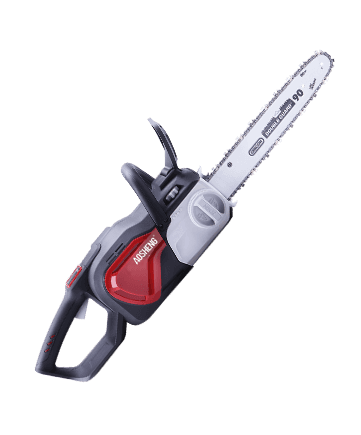 A40LJ16B01 40V 16-Inch Cordless Lithium-Ion ChainsawA 40V cordless chainsaw with a 16-inch Oregon bar, automatic oiling, and two speeds for shorter, lower-heat garden cutting.View Product →
The pump is a low-cost part, so the decision usually turns on labour rather than price. A metal-bodied pump with a blocked screen or a stuck check valve is worth cleaning. A plastic-bodied pump with a worn plunger, a scored shaft or a cracked housing is not, because the wear surfaces cannot be restored. On a professional saw that runs long bars, replacement is the safer choice: a pump that delivers half its rated output will cost far more in bars and chains than the part itself.
Oil delivery is one of those systems where the small part carries the expensive consequences. Test output before you replace anything, confirm the drive type and passage dimensions before you order, and keep the bar groove as clean as the pump. If you are specifying pumps or complete saws for a dealer programme, our team can supply the matching parts list, test data and production samples for evaluation.
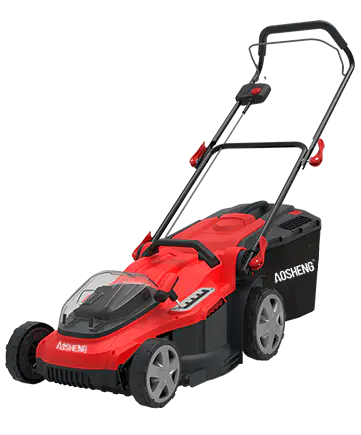
Deck Size:40CM/16INCH 3-in-1 function: Mulching, rear bagging&side discharge Easy-to-use fold-in system
See Details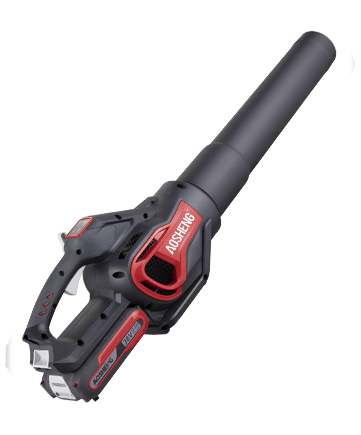
Turbine boost functionBig air volumeInstant startBackpack option for extra battery power
See Details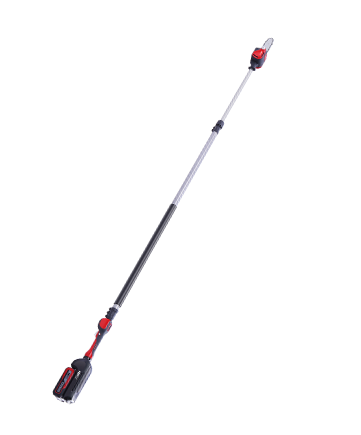
Extension height of 400cmOregon Bar & ChainTool-less chain tension systemAutomatic oiling systemBackpack option for extra battery power
See Details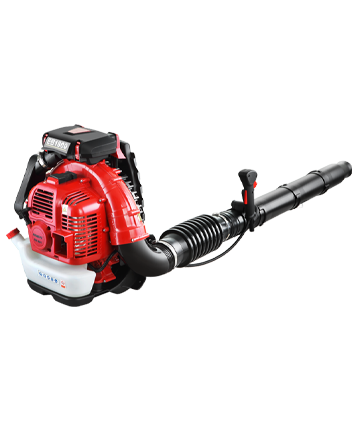
Extremely comfortable adjustable handle Large capacity fuel tank The largest air volume in China Use fire-retardant pipes to extinguish the fire Luxury widen & thicken straps Patented engine reac...
See Details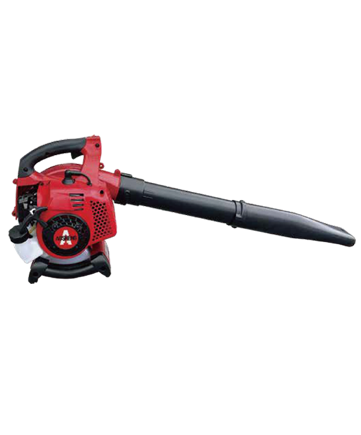
Suction and blowing Euro 5 certification Rubber-coverd handle, Strength nylon collecter.
See Details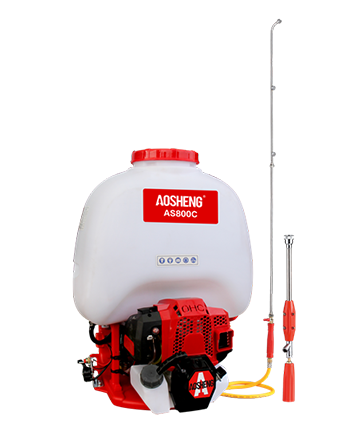
High preformence engine with high quality accessories. Copper meterial pressure pump, corrosion resistance.high atomization effect. Used in agriculture,eqidemic prevention, and disinfection.
See Details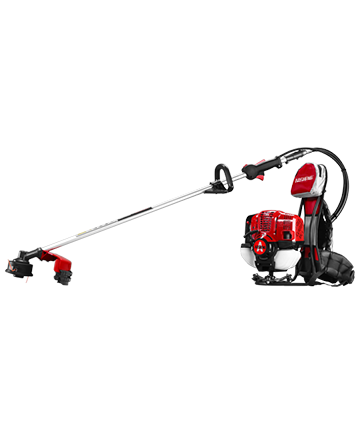
Professional engine, strength power.low consumption, easy to start.Rotating 360°Comfortable control handle and sponge belt. The trimmer head can offer a 460mm cut width. alloy blade diameter is 10 inc...
See Details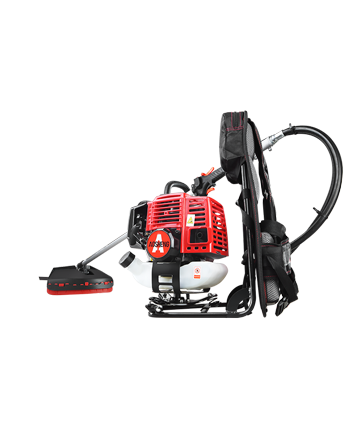
High-performance engine, displacement is 33CC.Professional use opens up wastelandTube size 26mm*1.5mm, strength flexible shaft.Cutting width is 420mmLifetime over 150hours
See Details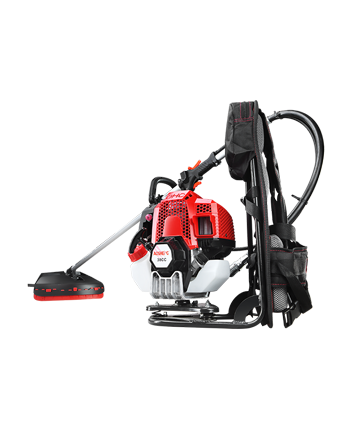
High-performance 4-stroke engine,displacement is 38CC. Professional use in the open-up wasteland Tube size 26mm*1.5mm, strength flexible shaft.Cutting width is 420mm Life time over 150hours New design...
See Details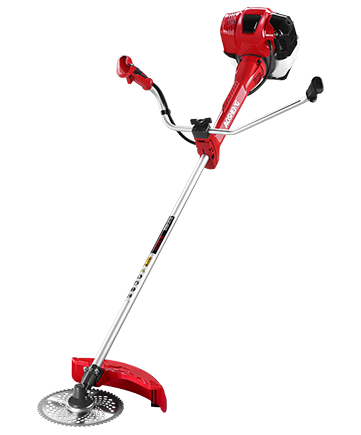
Professional engine, strength power. low consumption, easy to start.Rotating 360°The pole part uses a damper cover. The control handle can rotate 180° to decrease absorption. Rubber-covered handles ma...
See Details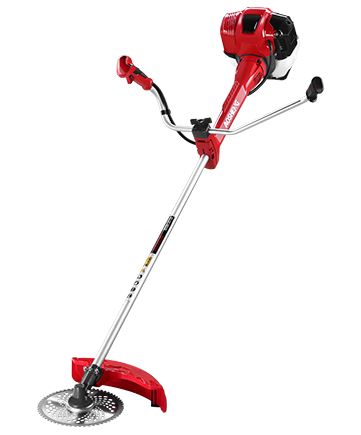
Professional engine, strength power. low consumption, easy to start. Rotating 360° The Pole part uses a damper cover. The control handle can be rotated 180° to decrease absorption. Rubber-covered hand...
See Details