

 English
 Español

news
Home / News / Industry News / Chainsaw vs Hedge Trimmer: Which Do You Need?
Home / News / Industry News / Chainsaw vs Hedge Trimmer: Which Do You Need?

Content
Use a chainsaw for cutting wood over ~3 inches in diameter. Use a hedge trimmer for shaping shrubs and light leafy growth. These tools are not interchangeable — using a chainsaw on a hedge risks kickback, while a hedge trimmer on thick wood will stall or break the blade.
Chainsaw vs hedge trimmer: core comparison at a glance
A chainsaw cuts using a looped chain of sharp cutting teeth driven around a guide bar. The engine rotates a drive sprocket, pulling the chain at 40–75 mph around the bar — each tooth acts like a tiny chisel, shaving wood fibers with each pass.

Aosheng 40V lithium-ion chainsaw — brushless motor design
Gasoline Fuel Mix: Most gas chainsaws require a 50:1 ratio — 2.6 oz of 2-stroke oil per 1 gallon of 89+ octane gas. Never use straight gasoline — it will seize the engine within minutes. Avoid fuel blends above 10% ethanol.

Aosheng pole saw — tool-less chain tension system
A chain too loose can derail and cause injury. A chain too tight causes excess friction, overheats the bar, and snaps the chain.
Pro tip: Re-check tension after the first 10 minutes of use — new chains stretch noticeably during break-in and always need a second adjustment.
Before starting, always wear chainsaw chaps, cut-resistant gloves, eye protection, hearing protection, and steel-toed boots. Chainsaw injuries account for approximately 36,000 ER visits per year in the US alone.
Kickback warning: Never cut with the tip of the bar. The upper bar tip zone can cause the saw to rotate violently upward if it contacts an object.

Aosheng chainsaw with kickback brake safety system
Most models reach 8–16 feet and can cut branches up to 5 inches in diameter without a ladder.
Remember: The blade cuts on the pull stroke. Apply firm downward pressure when pulling back — light pressure when pushing forward to reset.

Aosheng gasoline pole saw — AS-GZ260 model
The technique is identical for gas, corded, or battery models. Always wear safety glasses and thick gloves — reciprocating blades can cut through fingers as easily as branches.

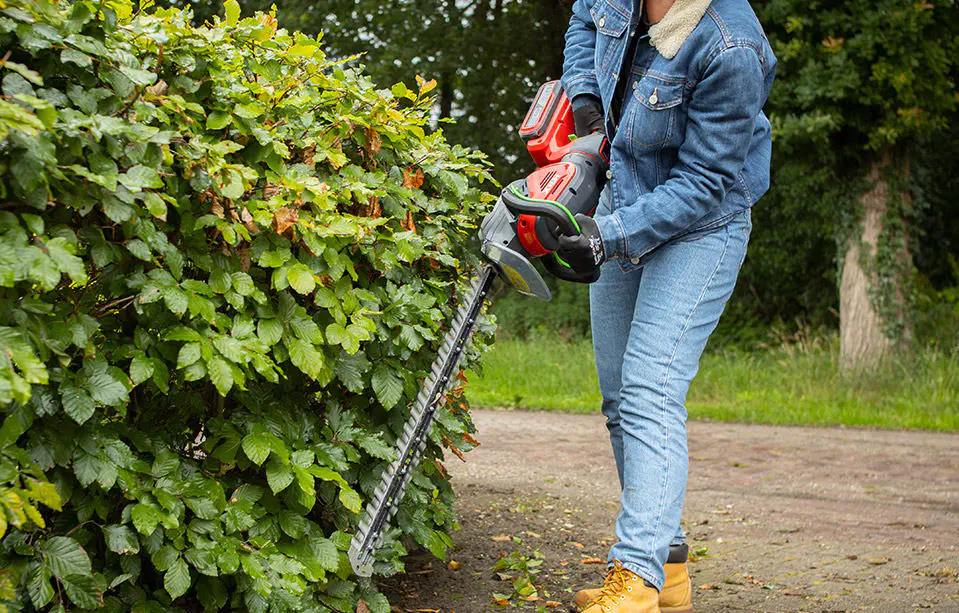
Aosheng lithium hedge trimmer in garden use
Sharpen after every 3–5 hours of cutting, or immediately if you notice the saw producing dust instead of chips, drifting to one side, or requiring extra pressure.
No. Chainsaws are not designed for the light, multi-directional cutting of hedge shaping. The chain can snag on small branches, causing violent kickback. Use a hedge trimmer for all hedge maintenance.
For most shrubs: late winter or early spring (before new growth) and again in mid-summer. Avoid late fall — new growth stimulated by trimming can be killed by frost.
Most common causes: dirty air filter, clogged spark arrestor, or incorrect carburetor adjustment. Start by cleaning the air filter and spark arrestor screen. If stalling persists under load, the carburetor's high-speed needle may need adjustment.
Dull blades tear rather than cut, leaving ragged brown edges instead of clean green cuts. Blades can be resharpened with a flat file at a 10° bevel angle, or replaced — replacement blades typically cost $20–$50.
A full bar oil reservoir lasts about as long as one tank of fuel. Always refill both together. Running with low-bar oil rapidly accelerates bar and chain wear — a new bar costs $15–$40.
Most hedge trimmers handle branches up to ¾ inch (19 mm) in diameter. Beyond that, use loppers, a pruning saw, or a chainsaw — forcing thicker material bends the teeth and risks kickback.
Powered by Aosheng Garden Tools
Professional Garden Tools for Every Job
Chainsaws · Hedge Trimmers · Pole Saws · Battery & Gas Models
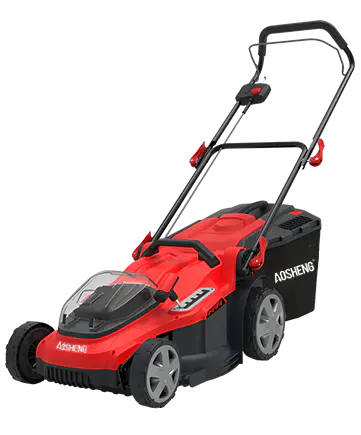
Deck Size:40CM/16INCH 3-in-1 function: Mulching, rear bagging&side discharge Easy-to-use fold-in system
See Details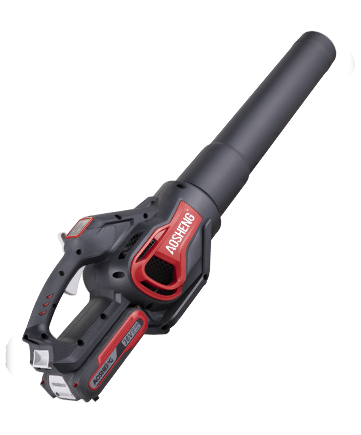
Turbine boost functionBig air volumeInstant startBackpack option for extra battery power
See Details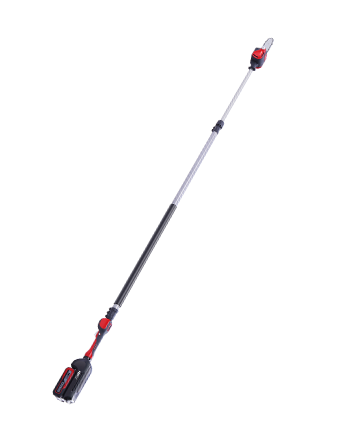
Extension height of 400cmOregon Bar & ChainTool-less chain tension systemAutomatic oiling systemBackpack option for extra battery power
See Details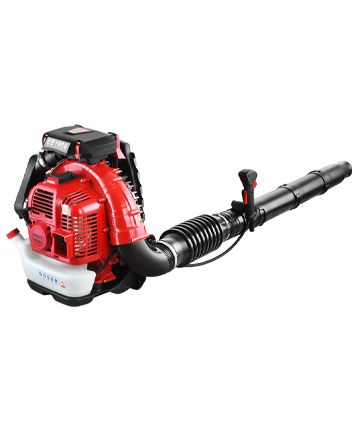
Extremely comfortable adjustable handle Large capacity fuel tank The largest air volume in China Use fire-retardant pipes to extinguish the fire Luxury widen & thicken straps Patented engine reac...
See Details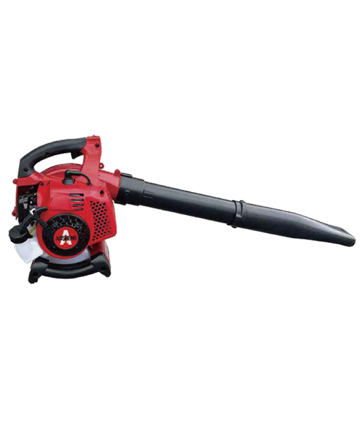
Suction and blowing Euro 5 certification Rubber-coverd handle, Strength nylon collecter.
See Details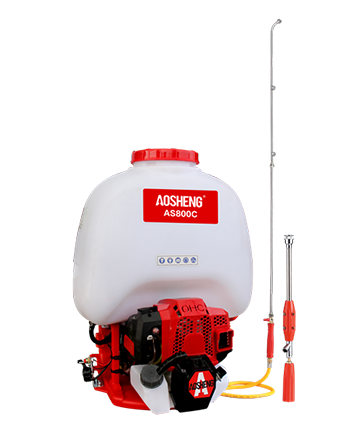
High preformence engine with high quality accessories. Copper meterial pressure pump, corrosion resistance.high atomization effect. Used in agriculture,eqidemic prevention, and disinfection.
See Details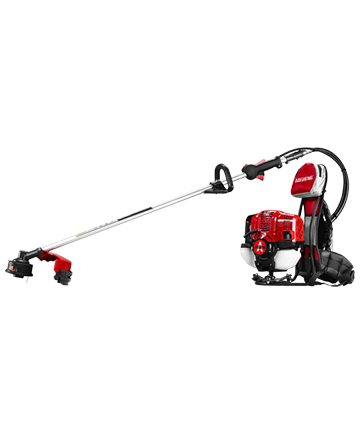
Professional engine, strength power.low consumption, easy to start.Rotating 360°Comfortable control handle and sponge belt. The trimmer head can offer a 460mm cut width. alloy blade diameter is 10 inc...
See Details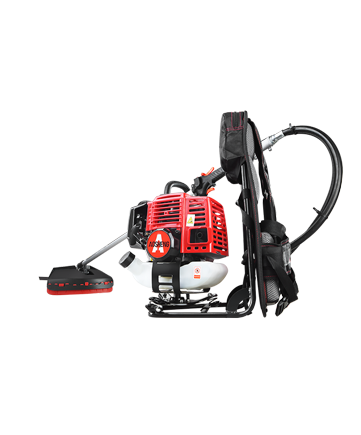
High-performance engine, displacement is 33CC.Professional use opens up wastelandTube size 26mm*1.5mm, strength flexible shaft.Cutting width is 420mmLifetime over 150hours
See Details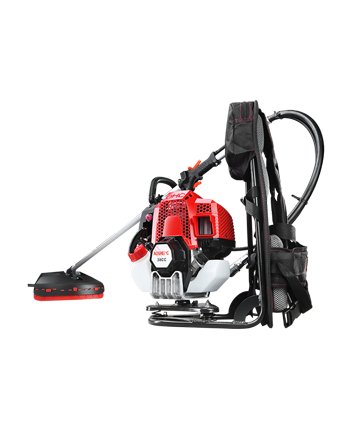
High-performance 4-stroke engine,displacement is 38CC. Professional use in the open-up wasteland Tube size 26mm*1.5mm, strength flexible shaft.Cutting width is 420mm Life time over 150hours New design...
See Details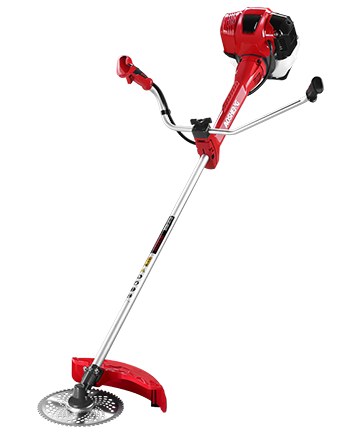
Professional engine, strength power. low consumption, easy to start.Rotating 360°The pole part uses a damper cover. The control handle can rotate 180° to decrease absorption. Rubber-covered handles ma...
See Details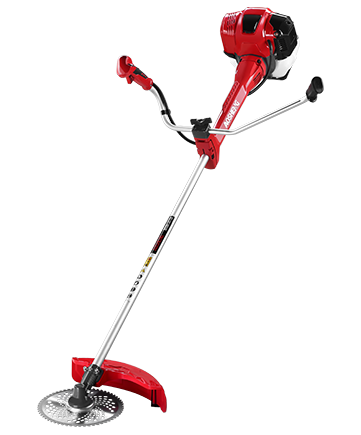
Professional engine, strength power. low consumption, easy to start. Rotating 360° The Pole part uses a damper cover. The control handle can be rotated 180° to decrease absorption. Rubber-covered hand...
See Details