

 English
 Español



news
Home / News / Industry News / Fuel Filter in a Leaf Blower: Symptoms, Replacement Tips & Buying Guide
Home / News / Industry News / Fuel Filter in a Leaf Blower: Symptoms, Replacement Tips & Buying Guide

Content
A backpack blower that idles smoothly and then dies the moment you squeeze the throttle past half is showing the classic fuel-filter failure. Our advice is straightforward: check the filter before you touch the carburetor. A replacement clunk filter costs a few dollars and takes about fifteen minutes to fit, while a carburetor rebuild costs many times more and, in most lean-running blowers we see, was never necessary in the first place. On a two-stroke leaf blower the in-tank filter is the cheapest, least inspected part of the fuel system, and it is the one most likely to be the real cause.
The reason comes down to proportion. A blower engine at full throttle draws fuel through a very small line, and the element at the end of that line has to pass enough volume for an engine of 25 cc to 80 cc running at high rpm. When the element is half blocked, the carburetor still fills at idle but runs dry under load — which is exactly why the symptom looks like a carburetor problem rather than a filter problem.
On nearly every handheld and backpack two-stroke blower, the filter is an in-tank clunk filter: a small weighted body with a felt or porous element pushed onto the end of the fuel line. It sinks to the lowest point of the tank and follows the fuel as the machine swings, so the pickup stays submerged even at steep angles. It keeps grass dust, grit and rust flakes out of the carburetor's needle seat and jets, and its weight stops the line from floating away from the fuel.
Larger four-stroke blowers, and some backpack units with a remote tank, use an inline filter between tank and carburetor instead — a canister you can often see through, which makes diagnosis easier because you can watch the fuel level inside it while the engine runs.
The service interval is different. An in-tank clunk filter on a two-stroke blower is a consumable; replace it every season or roughly every 50 hours, whichever comes first. An inline canister usually lasts longer, but it clogs faster when fuel quality is poor. Handheld units are the quickest to service because the line is short and the filter comes out through the filler neck. Backpack models with a longer line and a deeper tank take more time, since the tank often has to be unbolted first.
 EB260 Portable Gasoline Engine BlowerPortable 26cc gasoline blower with Euro 5 certification, sponge air filter and easy-start design, suited to reviewing service access and filter arrangement.View Product →
A restricted filter almost never fails outright. It fails gradually and produces a pattern rather than a single fault, so the useful skill is reading that pattern before ordering parts.
| Symptom | What it usually means | Quick field check |
|---|---|---|
| Starts, then dies after 10 to 30 seconds | Element restricted; the carburetor cannot refill as fast as the engine draws fuel | Disconnect the fuel line at the carburetor and let it drain into a jar; a weak or stop-start stream points to the filter |
| Idles well, bogs or stalls at full throttle | Lean mixture under high demand | Restart and tip the blower; if it dies when the tank is half full or the nose is raised, the filter or line is the suspect |
| Only runs with the choke partly closed | Mixture too lean, from a restricted filter or an air leak | Inspect the element for a hard, glazed surface |
| Dies only when the tank drops below a quarter | Filter no longer reaches the fuel, or the line is too short or kinked | Look into the tank and confirm the filter hangs free at the lowest corner |
| Surging, then stalling, with a hard hot restart | Intermittent delivery; often filter plus a tired tank vent | Loosen the fuel cap and run it; if the symptom disappears, check the vent |
| Dark particles or a swollen element in the tank | Fuel lines degrading from ethanol or stale mix | Replace filter and line together, not one or the other |
One symptom deserves its own mention: a filter that has separated from the line entirely. The blower may still run, often badly, but unfiltered debris now travels straight into the carburetor. Owners of vacuum-capable units such as the EBV260 vacuum blower should pay extra attention here, because the same dust the machine collects outdoors also finds its way into an open tank during refuelling.
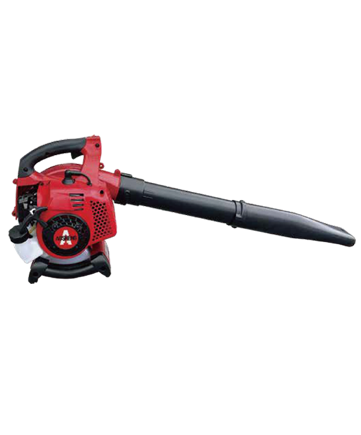 EBV260 Gasoline Vacuum and BlowerA 26cc Euro 5 vacuum blower with suction and blowing, sponge air filter and easy-start design, relevant when checking filter security and fuel-line service.View Product →
The job needs no special tools — a new filter, fresh fuel line and a spring clamp cover most cases. What matters is the order of work and the fit of the parts.
Replace the filter and the line, then plan on cleaning the carburetor. Debris reaching the needle seat causes flooding and a rich-running engine that no amount of tuning will correct, and the failure rarely stops at the filter. This is the one case where a cheap part creates an expensive afternoon.
Fuel quality, not hours of use, is what kills most filters. Pump fuel with ethanol absorbs water from the air, and the resulting phase separation attacks the inside of standard fuel lines. The dissolved rubber and varnish that result travel downstream and end up packed into the filter element, which is doing its job but paying for it.
These habits are the same ones behind most of the maintenance habits that extend the service life of a gasoline blower, and a filter change is the cheapest entry point into that routine.
For distributors and private-label buyers, the filter is a small line item with an outsized effect on warranty claims. A filter that swells, sheds fibres, or falls off its barb will generate carburetor complaints that look like engine faults. Four checks separate a reliable supply from a risky one.
Whole-assembly thinking matters too: tank grommet, vent, and line material are specified together, because a good filter on a degrading line still sends debris to the carburetor. Professional-grade units such as the EB1800 are a useful reference for how these parts should be laid out on a machine that runs hard for a living.
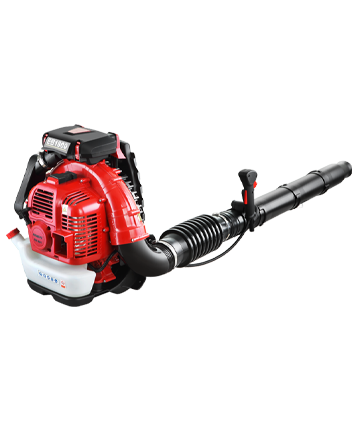 EB1800 Professional Gasoline Engine BlowerA 75.6cc Euro 5 professional blower with 3 L fuel tank, triple-filtration air filter and easy-start system, useful as a reference for fuel-system layout.View Product →
This is the kind of component discipline that comes from building the whole machine rather than sourcing one part. Ningbo Aosheng Machine Co., Ltd. has manufactured small gasoline engines, plant protection equipment and garden machinery since 1992, starting as a die-casting factory and growing into in-house injection, die-casting and precision machining, with a test centre that exercises the core components of both gasoline engines and lithium battery platforms. Current output runs at roughly 600,000 units a year across the gasoline and 20V/40V cordless ranges, which is what makes a small part like a fuel filter worth getting right in the first place. If you are specifying blowers or fuel-system components for your market, contact our team and we will match the assembly to your engine and duty cycle.
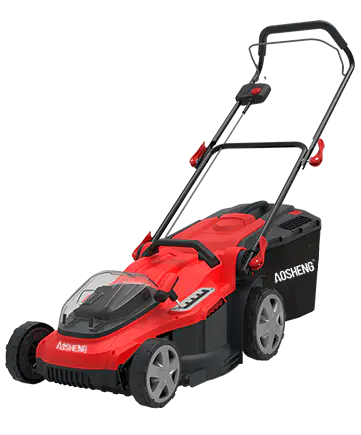
Deck Size:40CM/16INCH 3-in-1 function: Mulching, rear bagging&side discharge Easy-to-use fold-in system
See Details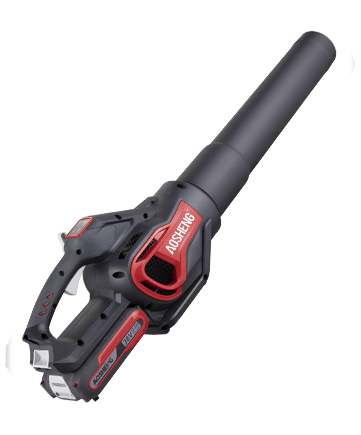
Turbine boost functionBig air volumeInstant startBackpack option for extra battery power
See Details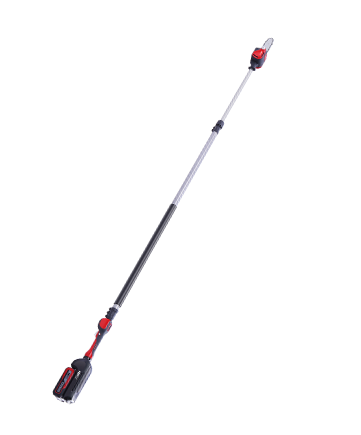
Extension height of 400cmOregon Bar & ChainTool-less chain tension systemAutomatic oiling systemBackpack option for extra battery power
See Details
Extremely comfortable adjustable handle Large capacity fuel tank The largest air volume in China Use fire-retardant pipes to extinguish the fire Luxury widen & thicken straps Patented engine reac...
See Details
Suction and blowing Euro 5 certification Rubber-coverd handle, Strength nylon collecter.
See Details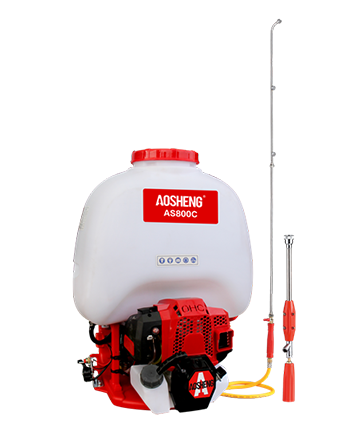
High preformence engine with high quality accessories. Copper meterial pressure pump, corrosion resistance.high atomization effect. Used in agriculture,eqidemic prevention, and disinfection.
See Details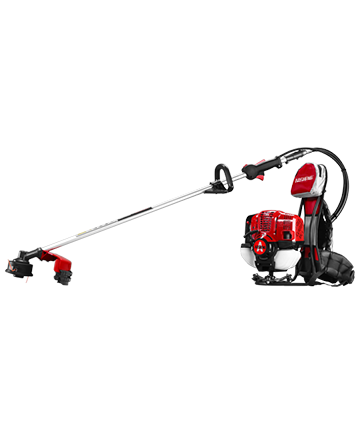
Professional engine, strength power.low consumption, easy to start.Rotating 360°Comfortable control handle and sponge belt. The trimmer head can offer a 460mm cut width. alloy blade diameter is 10 inc...
See Details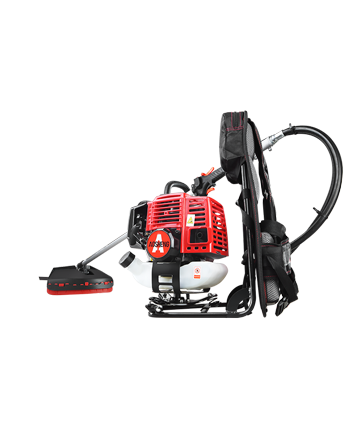
High-performance engine, displacement is 33CC.Professional use opens up wastelandTube size 26mm*1.5mm, strength flexible shaft.Cutting width is 420mmLifetime over 150hours
See Details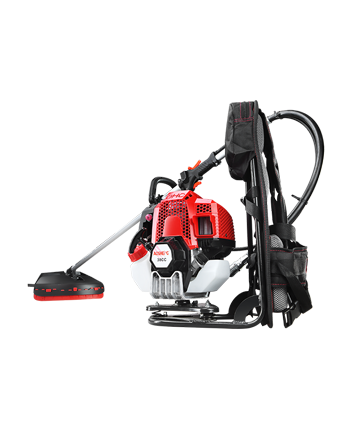
High-performance 4-stroke engine,displacement is 38CC. Professional use in the open-up wasteland Tube size 26mm*1.5mm, strength flexible shaft.Cutting width is 420mm Life time over 150hours New design...
See Details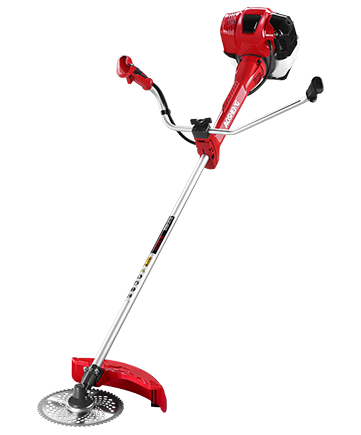
Professional engine, strength power. low consumption, easy to start.Rotating 360°The pole part uses a damper cover. The control handle can rotate 180° to decrease absorption. Rubber-covered handles ma...
See Details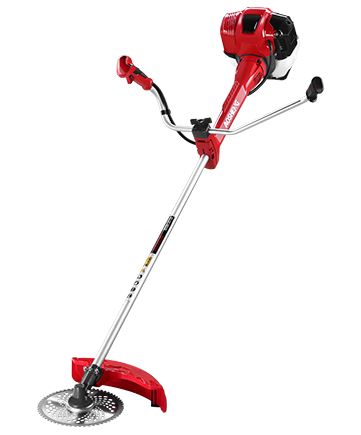
Professional engine, strength power. low consumption, easy to start. Rotating 360° The Pole part uses a damper cover. The control handle can be rotated 180° to decrease absorption. Rubber-covered hand...
See Details