

 English
 Español


news
Home / News / Industry News / How Do You Adjust a Carburetor on a Lawn Mower? Step-by-Step Tuning Guide
Home / News / Industry News / How Do You Adjust a Carburetor on a Lawn Mower? Step-by-Step Tuning Guide

Content
Adjusting the carburetor on a walk-behind mower comes down to three contact points: a low-speed mixture needle, a high-speed needle, and an idle speed screw. Warm the engine for five minutes, set the low-speed needle 1-1/4 to 1-1/2 turns out from lightly seated, bring idle to the figure in your engine manual (usually 1,750-2,100 rpm), then tune the high-speed circuit at full throttle in 1/8-turn steps. Done in that order, the job takes about ten minutes and clears up surging, stalling, hard warm restarts and black exhaust.
Skip the order and you will spend the afternoon chasing your own adjustments: a rich high-speed setting masks a lean idle circuit, and an idle screw turned up to stop a stall hides a blocked jet. The figures below are starting points, not destinations. Two mowers from the same production run can need slightly different settings because of wear in the throttle shaft, float level and air filter condition.
Since the mid-2000s, most gasoline mowers sold in North America and Europe have been built to emissions rules that cap or seal the high-speed circuit. On those carburetors there is nothing to tune at full throttle. Older units, and nearly every two-stroke, still carry both an H and an L needle.
| Adjustment point | What it controls | Typical starting point | Symptom when it is wrong |
|---|---|---|---|
| Idle speed screw (throttle stop) | Base idle rpm and blade-engage stability | 1,750-2,100 rpm with a warm engine | Engine dies at idle, or stalls when the blade engages |
| Low-speed (L) needle | Fuel delivered at idle and off-idle transition | 1-1/4 to 1-1/2 turns out from lightly seated | Hunting, sputtering, hard restart after a warm stop |
| High-speed (H) needle | Fuel delivered at full throttle and under load | 1-1/2 turns out, then tuned under load | Lean bog and hesitation, or sooty plug and black exhaust |
| Fixed main jet | Fuel at wide-open throttle; not adjustable | Replaced with the correct altitude or emissions jet | No screw to turn; strong fuel smell and plug fouling |
| Float and needle valve | Fuel level inside the bowl | Per the manual's float height specification | Flooding, fuel in the air filter, rich running after tipping |
If a plastic limiter cap covers a needle, it has to come off before you can adjust anything.
Most carburetor problems on a mower are fuel or air problems wearing a carburetor costume. If the engine hunts at idle and smooths out at full throttle, the idle circuit is partly blocked, and no screw position will fix that.
If the mower has been sitting since last season, work through routine lawn mower maintenance first: fresh fuel, clean filter, new plug. You will often find the mixture was fine all along.
Work outdoors on a level surface, blade disengaged and the deck clear of anything you value. Let the engine reach operating temperature first; a cold engine needs a richer setting than a warm one, so tuning cold guarantees a lean run when hot.
On a four-stroke push mower such as the AS20TA173HA, the sequence usually ends once the idle circuit is set, because the main jet is fixed.
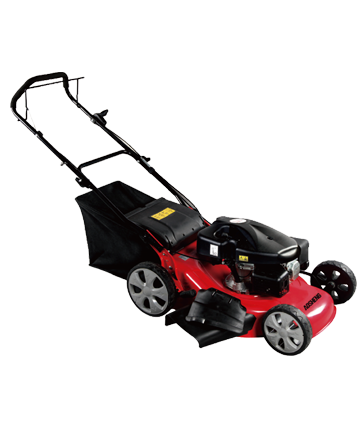 AS20TA173HA 4-STROKE GASOLINE LOWN MOWERHigh effort cutting grassView Product →
On a two-stroke engine, the high-speed needle carries the whole main fuel circuit, and lean is not a tuning preference. It is a piston seizure waiting to happen. After finding peak rpm, open the needle a further 1/4 turn and leave it there. A two-stroke that misfires rhythmically at full throttle is lean, not rich.
Four-stroke engines give you more room, because fuel and oil are separate and a slightly lean idle carries no lubrication risk. The trade-off is that a four-stroke carburetor cannot compensate for mechanical faults: tight valve clearance, a weak governor spring or low compression all feel like carburetor problems. Adjusting the mixture to hide a tight exhaust valve simply burns more fuel.
Air density is the hidden variable. At 1,500 m above sea level, air is thin enough that a mower jetted at sea level runs rich, with a sooty plug, black exhaust and rough idle. Above roughly 1,500 to 2,000 m, fit the manufacturer's high-altitude jet instead of leaning the needle, because leaning the idle circuit to compensate throws off the transition.
Temperature works the other way: a mower tuned on a cold 5-degree morning runs lean on a 35-degree afternoon. Tune at the temperature and altitude where you actually cut grass, and re-check after any change of more than about 10 degrees or 1,000 m. Wet grass is the third variable, and wide-deck machines such as the AS22TQL196HAC hold rpm better when the engine is working hard in tall stems.
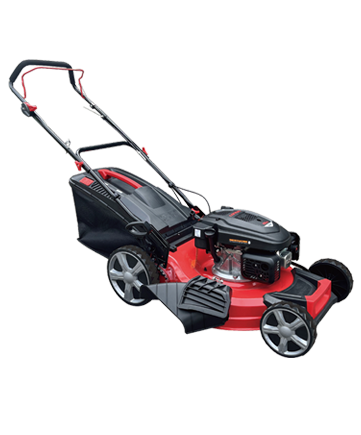 AS22TQL196HA-C 4-STROKEGASOLINE LOWN MOWERHigh effort cutting grassView Product →
Three symptoms point to replacement rather than tuning: a throttle shaft with visible side play, which pulls air past the bushings so no setting holds; a warped or corroded bowl that weeps fuel; and a needle seat that will not seal even after cleaning. A rebuild kit with a new float, needle valve and gaskets costs far less than the fuel a leaking carburetor wastes in a season.
Clean the passages properly if you rebuild: soak the body in carburetor cleaner, then blow every passage through with compressed air. Never push wire through a jet, because the metering hole is sized in hundredths of a millimetre and a scratch changes the mixture permanently.
Carburetor work is seasonal maintenance that never really ends: fuel stabiliser, jetting for altitude, needle checks each spring. If your season is measured in dozens of cuts rather than hundreds, a battery platform removes the entire fuel circuit, with no jets, no choke and no stale gasoline in November. Our gasoline lawn mower lineup covers 19- to 22-inch decks for anyone who needs the runtime and torque of petrol.
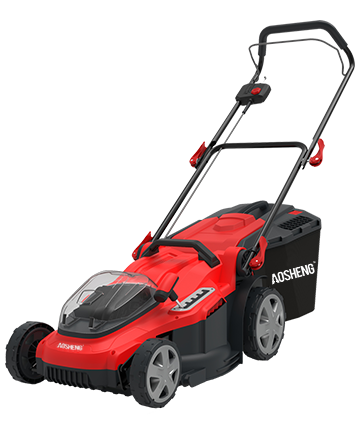 H40GC16A 40V Lithium Cordless LawnmowerBad Carburetor Symptoms: 8 Signs Your Small Engine Carb Needs Attention 2026-09-18 You are halfway through a fence line and the brush cutter suddenly loses power every...View Product →
Cordless is not a universal answer. It suits lawns under roughly 800 square metres with regular cutting, and it loses cutting depth in tall, wet grass. On a large property, a well-jetted four-stroke with fresh fuel each season is still the cheaper machine per hour.
Adjusting a mower carburetor is a ten-minute job when the fuel system is clean and a wasted afternoon when it is not. Write down your starting positions, work in 1/8-turn increments, finish every adjustment under real cutting load, and read the plug after the first half hour of work. If settings will not hold, replace the worn parts rather than compensating with the needles. A mower that idles cleanly and holds rpm in tall grass is the only proof that the adjustment was right.
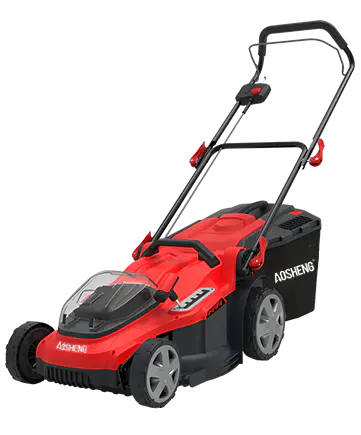
Deck Size:40CM/16INCH 3-in-1 function: Mulching, rear bagging&side discharge Easy-to-use fold-in system
See Details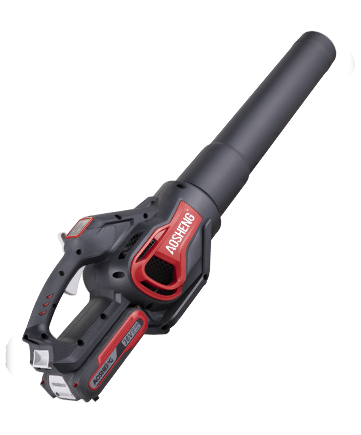
Turbine boost functionBig air volumeInstant startBackpack option for extra battery power
See Details
Extension height of 400cmOregon Bar & ChainTool-less chain tension systemAutomatic oiling systemBackpack option for extra battery power
See Details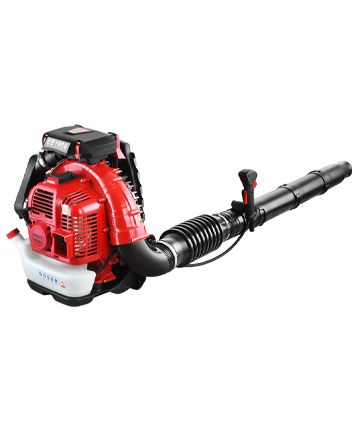
Extremely comfortable adjustable handle Large capacity fuel tank The largest air volume in China Use fire-retardant pipes to extinguish the fire Luxury widen & thicken straps Patented engine reac...
See Details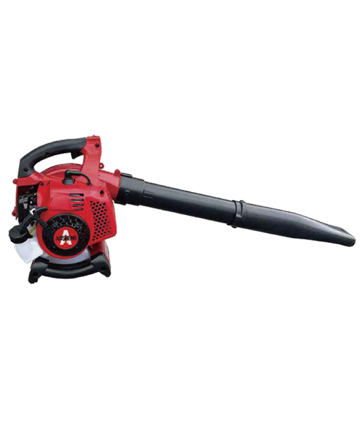
Suction and blowing Euro 5 certification Rubber-coverd handle, Strength nylon collecter.
See Details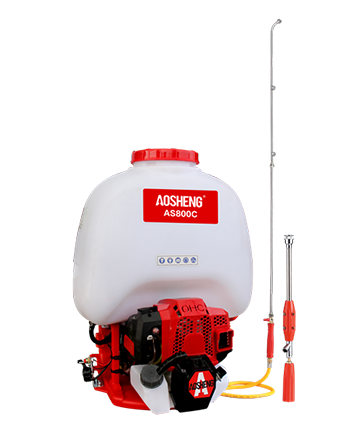
High preformence engine with high quality accessories. Copper meterial pressure pump, corrosion resistance.high atomization effect. Used in agriculture,eqidemic prevention, and disinfection.
See Details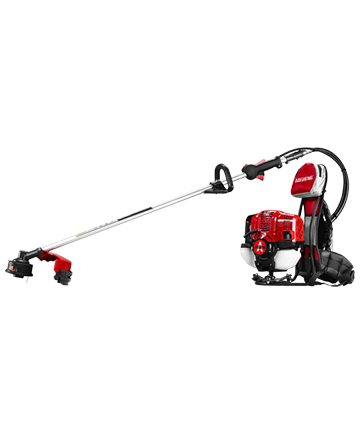
Professional engine, strength power.low consumption, easy to start.Rotating 360°Comfortable control handle and sponge belt. The trimmer head can offer a 460mm cut width. alloy blade diameter is 10 inc...
See Details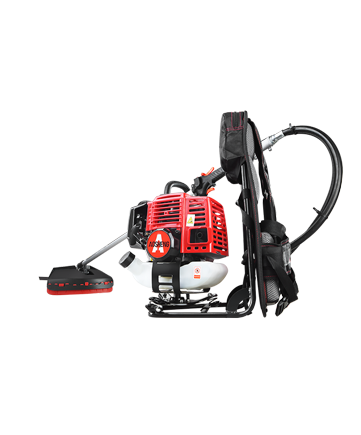
High-performance engine, displacement is 33CC.Professional use opens up wastelandTube size 26mm*1.5mm, strength flexible shaft.Cutting width is 420mmLifetime over 150hours
See Details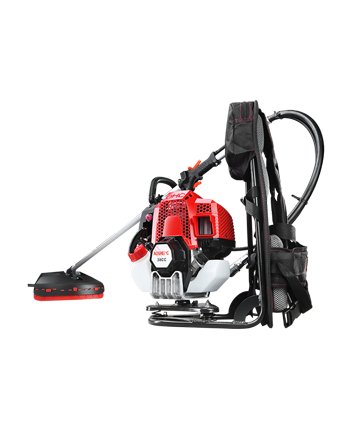
High-performance 4-stroke engine,displacement is 38CC. Professional use in the open-up wasteland Tube size 26mm*1.5mm, strength flexible shaft.Cutting width is 420mm Life time over 150hours New design...
See Details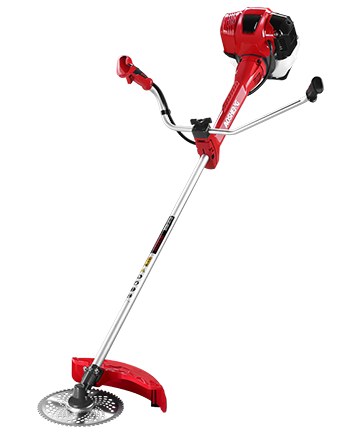
Professional engine, strength power. low consumption, easy to start.Rotating 360°The pole part uses a damper cover. The control handle can rotate 180° to decrease absorption. Rubber-covered handles ma...
See Details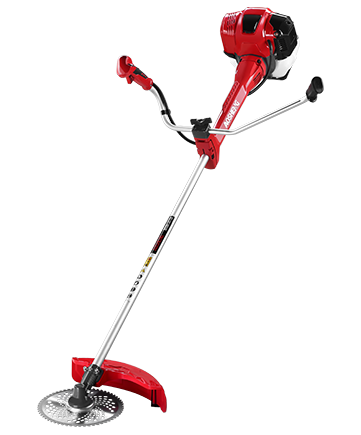
Professional engine, strength power. low consumption, easy to start. Rotating 360° The Pole part uses a damper cover. The control handle can be rotated 180° to decrease absorption. Rubber-covered hand...
See Details