

 English
 Español

news
Home / News / Industry News / How Do You Use a Leaf Blower Safely ?

Content
Leaf blower safety begins with one simple rule: treat the machine as a high-velocity air tool, not a household appliance. A typical garden leaf blower discharges air between 150 and 250 mph — fast enough to launch a small stone through a car windshield. Most leaf blower injuries are not caused by mechanical failure but by operator habits that took years to form and seconds to cause harm. For homeowners, landscape crews, and equipment buyers sourcing for property maintenance, understanding the practical safety dimensions of this garden tool is the difference between a productive season and a hospital visit.
This guide walks through the specific risks tied to leaf blower operation in garden and landscape settings, the protective gear that matters, the inspection routines that prevent failures, and the operating techniques that experienced groundskeepers rely on. The advice applies to handheld, backpack, and walk-behind models across gas, corded electric, and battery formats.
A leaf blower used for clearing lawns, driveways, and flower beds carries hazards that many casual operators underestimate. The risks are predictable, well-documented, and avoidable once understood.
Gardens are rarely empty of small objects. Stones, mulch, broken plant stakes, garden staples, pet waste, and shards of weathered ceramic pots all become projectiles under the blower nozzle. At 200 mph, a pebble the size of a pea carries enough kinetic energy to cause a corneal laceration or break a pane of glass. Eye injuries account for the largest share of emergency room visits linked to leaf blower use in residential settings.
Gas blowers commonly operate between 95 and 110 decibels at the operator's ear. The threshold for hearing damage with sustained exposure is 85 dB. A two-hour fall cleanup without hearing protection delivers more acoustic damage than a year of normal urban noise exposure. Hearing loss is cumulative and irreversible — once it is gone, no medical treatment restores it.
Dry garden debris contains mold spores, pollen, fertilizer residue, soil dust, and decomposing organic matter. When a blower aerosolizes this material, the operator inhales it directly. Allergy sufferers, asthma patients, and anyone working in dry-climate gardens face significant respiratory risk without proper masking.
Two-stroke gasoline engines run hot — exhaust temperatures can exceed 600°F at the muffler. Spilled fuel ignites easily on a hot engine. Lithium-ion batteries, while generally safe, can enter thermal runaway if damaged, punctured, or charged incorrectly. Both fuel and battery handling deserve the same care a professional would give a chainsaw.
Wet leaves on a slope are remarkably slippery. A backpack blower shifts the operator's center of gravity backward. Combined, these factors cause more lost-time injuries among landscape workers than the blower mechanism itself. The garden environment — uneven turf, hidden tree roots, garden hoses, sprinkler heads — adds layers of trip hazards that an indoor tool would never face.
PPE for leaf blower use is inexpensive, widely available, and dramatically effective. The full kit costs less than a single doctor's visit and protects against every major hazard category outlined above.
| Item | Specification | Protects Against |
|---|---|---|
| Safety glasses | ANSI Z87.1 rated, wraparound | Stones, twigs, dust |
| Hearing protection | NRR 25 dB or higher | Sustained engine noise |
| Dust mask | N95 or higher | Pollen, mold, particulates |
| Work gloves | Anti-vibration, snug fit | Hand fatigue, blisters |
| Closed-toe boots | Slip-resistant sole | Wet leaves, hidden hazards |
| Long trousers | Heavyweight fabric | Flying debris, thorny brush |
| Long-sleeved shirt | Breathable, fitted cuffs | Sun exposure, scratches |
A common pattern among homeowners is wearing safety glasses for the first 20 minutes of yard work, then taking them off when they fog up. Anti-fog coatings, vented frames, and properly fitted lenses solve this problem permanently. PPE that gets removed mid-task is PPE that fails when it matters.
A short walk-around inspection prevents most mechanical failures and operator injuries. The routine takes less than two minutes and should be performed every single time the blower is used — not just at the start of the season.
If any step reveals a problem, the unit should be set aside until repaired. Operating a blower with a cracked housing or a worn-out throttle return spring is not a small risk — it is a known precursor to injury.
Technique matters as much as gear. Two operators with identical equipment can finish the same yard with completely different outcomes — one efficient and uninjured, the other fatigued and dust-covered. The difference is method.
Always blow with the prevailing wind, not against it. Blowing into the wind doubles dust exposure, reduces efficiency by roughly half, and turns a 30-minute task into an hour-long ordeal. A quick glance at nearby tree branches or smoke from a nearby chimney is enough to read the wind.
Full throttle is rarely necessary for dry leaves on a flat lawn. Variable-speed triggers and cruise control settings allow the operator to match airflow to the task — full power for wet matted leaves against a fence line, low power for gentle clearing around flower beds. Running at 70% throttle instead of full power reduces noise by 3 to 5 dB and roughly doubles battery runtime.
A controlled side-to-side sweeping motion at a 30-degree downward angle pushes debris forward efficiently. Stabbing directly at piles only kicks debris into the air, where it falls back down. Hold the nozzle 4 to 6 inches above the ground for fine debris, closer for stubborn wet leaves.
Maintain at least 50 feet of distance between the blower and any person, pet, vehicle, or open window. Never direct airflow toward people or animals, even briefly, even as a joke. The momentary fun of startling someone is not worth a permanent eye injury.
Work from the far edge of the property toward a collection point — driveway, tarp, compost area. Doubling back over already-cleared zones wastes fuel, time, and patience. Professional landscapers plan their blower path the same way they plan a mowing pattern.
Most fueling-related fires involve a hot engine and a spilled cap-full of gasoline. The rules are non-negotiable: shut off the engine, let it cool for at least five minutes, fuel outdoors on a flat surface, wipe up any spill before restarting, and never smoke within 10 feet of the fuel container. Two-stroke engines require a specific oil-to-fuel ratio, typically 50:1 — using straight gas will destroy the engine, and using too much oil fouls the spark plug.
Lithium-ion packs prefer cool, dry charging environments. Charging in direct summer sun on a metal workbench accelerates pack degradation and, in rare cases, can trigger thermal events. Never charge a battery that is visibly swollen, cracked, or has been dropped onto concrete. Store batteries at roughly 50 to 80 percent charge during the off-season — fully discharged packs left for months may never recover full capacity.
Corded blowers are often the safest format for small gardens but introduce their own hazards: tripping over the cord, cutting the cord with another tool, and the risk of using a damaged cord outdoors. Always use an outdoor-rated extension cord of the correct gauge, keep the cord behind the operator, and never use a damaged cord in wet conditions.
A fall cleanup can easily turn into a four-hour project. At that duration, ergonomics stop being a comfort issue and become a safety issue. Three areas of the body take the most stress during sustained blower use.
For backpack blowers, both shoulder straps must be used, the hip belt should carry most of the weight, and the unit should sit high against the upper back — not low against the lumbar spine. A correctly fitted harness reduces perceived weight by roughly 30 to 40 percent and prevents most of the back complaints reported by landscape workers.
Handheld blowers concentrate weight and torque on the dominant hand. Switching hands every 10 to 15 minutes distributes the load, and modern anti-vibration handles reduce the cumulative strain that leads to numbness and grip weakness. Vibration-related nerve damage is permanent, so this matters even for weekend gardeners.
Summer cleanup with a gas blower against the back is a heat-stress recipe. Drink water every 15 minutes in warm conditions, rest in shade between zones, and watch for early heat exhaustion signs: headache, nausea, confusion, and absence of sweat. These symptoms appear before the operator recognizes the danger.
A garden leaf blower faces very different conditions in October than in April. Adapting safety habits to the season prevents the most common seasonal incidents.
| Season | Primary Hazard | Recommended Adjustment |
|---|---|---|
| Spring | Pollen, mold from wet debris | Upgrade to P100 mask |
| Summer | Heat stress, dry dust | Work morning or evening, hydrate |
| Autumn | Wet slippery leaves, hidden objects | Slip-resistant boots, slower pace |
| Winter | Frozen debris, brittle plastic parts | Warm the unit before full throttle |
Autumn deserves particular attention because it represents the peak season for residential blower use. Wet leaves hide everything: garden hoses, rocks, broken sprinkler heads, fallen branches, and pet waste. Walking the area before starting the blower takes 90 seconds and prevents the majority of seasonal incidents.
A blower stored properly lasts two to three times longer than one stored carelessly, and a well-maintained unit fails far less often during operation. Maintenance is part of the safety equation, not a separate concern.
A clogged air filter does more than reduce performance — it forces the engine to run rich, increases exhaust temperature, and accelerates wear on internal components. Most garden blower failures trace back to a single neglected service interval.
Garden work happens in shared spaces. A residential leaf blower affects neighbors, pets, parked vehicles, and the operator's own property. Considerate operation is also safer operation.
Some jurisdictions have restricted or banned gas-powered blowers entirely, favoring battery models for noise and emissions reasons. Awareness of these rules is part of responsible operation, particularly for landscape professionals working across multiple municipalities.
Years of incident data point to a short list of recurring mistakes. Recognizing these patterns is itself a meaningful safety practice.
None of these mistakes is exotic, and none requires technical knowledge to avoid. The fix in each case is awareness combined with consistent habits.
Leaf blower safety is fundamentally about habits — small, repeated decisions that compound over a season and a career. The PPE costs roughly $50. The inspection takes two minutes. The technique is learned in a single afternoon. The payoff is a tool that does what it should: clear the garden quickly and return to the shed without incident.
A leaf blower used carelessly is genuinely dangerous; a leaf blower used correctly is one of the most efficient garden tools ever invented. For homeowners, landscape crews, and equipment buyers, the path between those two outcomes runs through the practices outlined above. Build the habits early, equip the operator properly, maintain the machine on schedule, and the blower becomes exactly what it is meant to be — a productive partner in keeping the garden in shape.
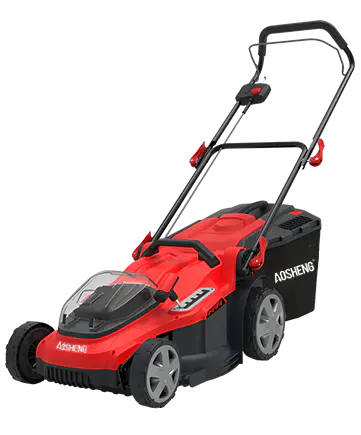
Deck Size:40CM/16INCH 3-in-1 function: Mulching, rear bagging&side discharge Easy-to-use fold-in system
See Details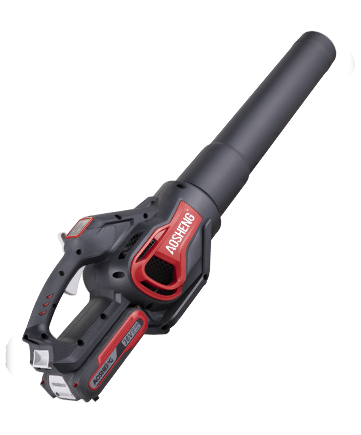
Turbine boost functionBig air volumeInstant startBackpack option for extra battery power
See Details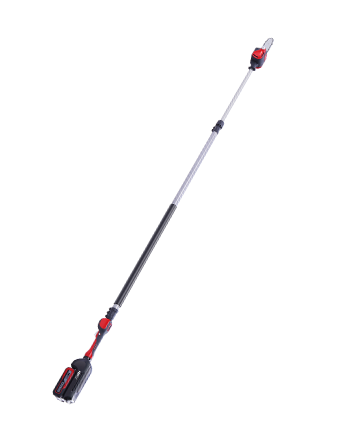
Extension height of 400cmOregon Bar & ChainTool-less chain tension systemAutomatic oiling systemBackpack option for extra battery power
See Details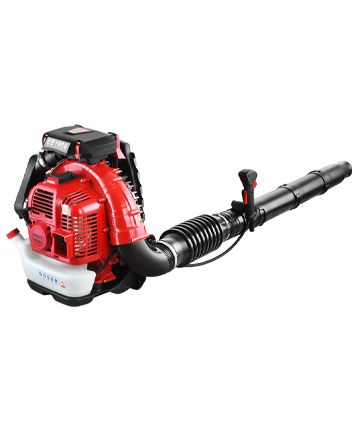
Extremely comfortable adjustable handle Large capacity fuel tank The largest air volume in China Use fire-retardant pipes to extinguish the fire Luxury widen & thicken straps Patented engine reac...
See Details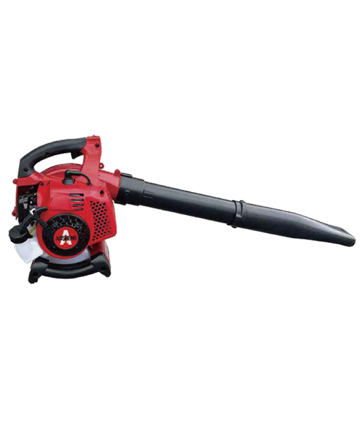
Suction and blowing Euro 5 certification Rubber-coverd handle, Strength nylon collecter.
See Details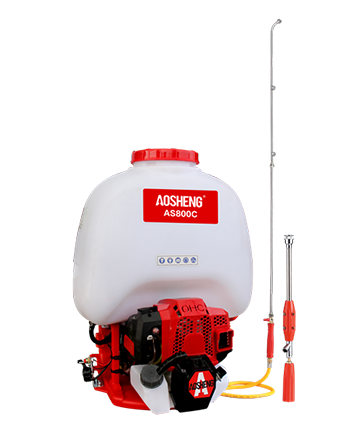
High preformence engine with high quality accessories. Copper meterial pressure pump, corrosion resistance.high atomization effect. Used in agriculture,eqidemic prevention, and disinfection.
See Details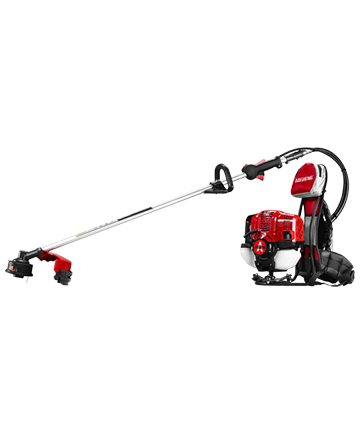
Professional engine, strength power.low consumption, easy to start.Rotating 360°Comfortable control handle and sponge belt. The trimmer head can offer a 460mm cut width. alloy blade diameter is 10 inc...
See Details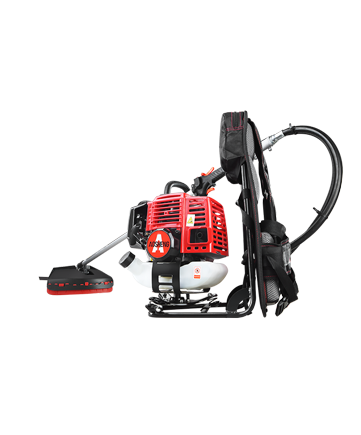
High-performance engine, displacement is 33CC.Professional use opens up wastelandTube size 26mm*1.5mm, strength flexible shaft.Cutting width is 420mmLifetime over 150hours
See Details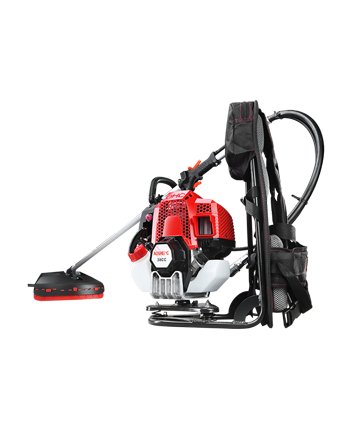
High-performance 4-stroke engine,displacement is 38CC. Professional use in the open-up wasteland Tube size 26mm*1.5mm, strength flexible shaft.Cutting width is 420mm Life time over 150hours New design...
See Details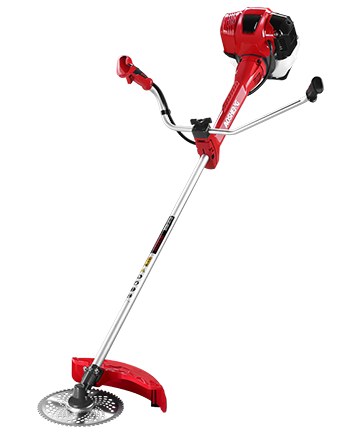
Professional engine, strength power. low consumption, easy to start.Rotating 360°The pole part uses a damper cover. The control handle can rotate 180° to decrease absorption. Rubber-covered handles ma...
See Details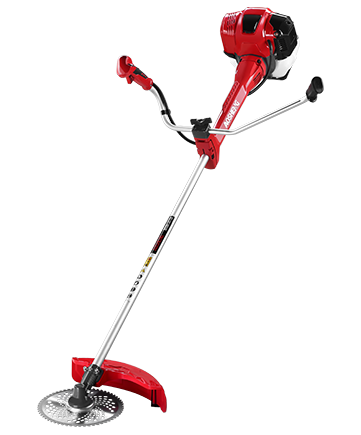
Professional engine, strength power. low consumption, easy to start. Rotating 360° The Pole part uses a damper cover. The control handle can be rotated 180° to decrease absorption. Rubber-covered hand...
See Details