

 English
 Español

news
Home / News / Industry News / How Thick of a Branch Can a Pole Saw Cut ?
Home / News / Industry News / How Thick of a Branch Can a Pole Saw Cut ?

Content
Most pole saws are designed to cut branches ranging from 4 inches (approximately 10 cm) to 10 inches (approximately 25 cm) in diameter, depending on the bar length, motor power, and chain specifications of the tool. For everyday residential pruning tasks — such as trimming overgrown limbs or clearing storm-damaged branches — a standard pole saw with a 10-inch bar handles the majority of situations comfortably. However, pushing a pole saw beyond its rated cutting capacity not only damages the tool but also creates a serious safety risk for the operator. Understanding the relationship between bar length, branch diameter, and cutting technique is essential for anyone working at height with a pole saw.
This article breaks down the cutting capacity of pole saws by bar length, explains the key factors that influence performance, and provides practical guidance for selecting the right pole saw for different branch sizes and working environments.
The bar length of a pole saw is the single most important factor in determining how thick a branch it can safely cut. As a general rule of thumb, the maximum branch diameter a pole saw can handle is approximately 2 inches less than the bar length. This margin allows the chain to complete a full cutting arc through the wood without binding.
For example, a pole saw equipped with an 8-inch bar is best suited to branches up to about 6 inches in diameter. A 10-inch bar expands that range to roughly 8 inches, while a 12-inch bar can manage branches approaching 10 inches under ideal conditions. Attempting to cut a branch that exceeds the bar length entirely is not recommended — the chain cannot complete the cut, and the risk of kickback increases substantially.
| Bar Length | Max Recommended Branch Diameter | Typical Application |
|---|---|---|
| 6 inches (15 cm) | Up to 4 inches (10 cm) | Light residential pruning, ornamental trees |
| 8 inches (20 cm) | Up to 6 inches (15 cm) | General garden maintenance, medium branches |
| 10 inches (25 cm) | Up to 8 inches (20 cm) | Larger shade trees, landscape maintenance |
| 12 inches (30 cm) | Up to 10 inches (25 cm) | Heavy-duty pruning, forestry, commercial use |
Yes — and this is a point many buyers overlook. Two pole saws with identical bar lengths can perform very differently based on whether they are powered by a gasoline engine, a lithium-ion battery, or a corded electric motor. Gasoline-powered pole saws generally deliver higher sustained torque, making them better suited for cutting through dense hardwood branches at or near their maximum capacity. Battery-powered (lithium) pole saws, on the other hand, offer cleaner operation, reduced vibration, and no emissions — advantages that matter significantly in residential neighborhoods, indoor-adjacent environments, or areas with noise regulations.
Modern lithium battery pole saws with high-voltage platforms (such as 40V or 56V systems) have closed the performance gap considerably. For branches up to 6–8 inches in diameter, a quality battery pole saw performs comparably to its gasoline counterpart under most conditions. Where gasoline still holds an advantage is in extended-duration heavy cutting — felling large limbs repeatedly over several hours without recharging.
For commercial procurement teams and OEM buyers evaluating tool specifications, the decision between gasoline and battery platforms often hinges on the end market: landscaping contractors who need all-day runtime tend to favor gasoline, while homeowner-focused retail channels increasingly prefer cordless lithium tools for convenience and ease of use.
Branch diameter alone does not tell the whole story. The species of tree and the condition of the wood are equally important variables. Hardwood species such as oak, hickory, and maple require significantly more cutting effort than softwoods like pine or poplar, even at the same diameter. A 5-inch oak branch may stress a pole saw more than a 7-inch pine branch.
Dead or dry wood is generally easier to cut through than green (freshly growing) wood, which contains higher moisture content and tends to bind the chain. Conversely, heavily weathered or rotted wood may appear manageable but can behave unpredictably during cutting. Always assess the wood condition before selecting your cutting approach.
When dealing with branches that approach or exceed the comfortable cutting range of a pole saw, technique becomes critical. The most important method for larger-diameter cuts is the three-cut technique, which prevents the branch from splitting downward and damaging the tree or injuring the operator.
This technique distributes the cutting load and significantly reduces the risk of the pole saw chain binding mid-cut, which is one of the most common causes of tool damage and operator injury.
A dull chain dramatically reduces effective cutting capacity. A pole saw that easily handles 6-inch branches when new may struggle with 4-inch branches after extended use without chain maintenance. Keeping the chain sharp, properly tensioned, and adequately lubricated is essential to maintaining rated cutting performance.
Chain maintenance recommendations vary by usage intensity, but a general guideline is to inspect chain sharpness every 2–3 hours of active cutting and re-sharpen or replace the chain when performance noticeably degrades. Bar oil levels should be checked before every use — a dry bar causes rapid wear and overheating, both of which reduce cutting depth and shorten the tool's service life.
For wholesale buyers and equipment distributors, sourcing pole saws with accessible chain tensioning systems — ideally tool-free adjustment — reduces maintenance time in the field and is a key feature that end users consistently rate highly.
Pole saws are designed for overhead pruning work — they are not replacements for ground-level chainsaws. When a branch exceeds 10 inches (25 cm) in diameter, or when the cutting position requires sustained downward pressure that a pole saw cannot provide effectively, a conventional chainsaw or arborist saw is the appropriate tool. Forcing a pole saw to handle tasks beyond its design parameters risks bar damage, chain derailment, and in the worst case, loss of control of the tool overhead.
Similarly, branches that have grown around obstacles or are under significant tension (bent by weight or wind loading) should not be cut with a pole saw from directly below. In such cases, consulting a professional arborist is the recommended course of action.
Selecting the correct pole saw starts with an honest assessment of the branch sizes you typically encounter. For homeowners and light-commercial users dealing primarily with branches under 6 inches, a battery-powered pole saw with an 8–10 inch bar delivers a practical balance of cutting capacity, weight, and ease of use. For professional landscapers or commercial operations where branch diameters regularly approach 8–10 inches, a longer-bar gasoline model provides the sustained power required.
Key specifications to evaluate when comparing models include:
Understanding these parameters allows procurement professionals and end users alike to match the tool to the task precisely — reducing downtime, extending tool life, and improving operator safety across all cutting applications.
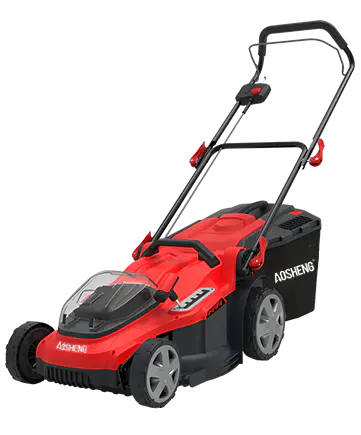
Deck Size:40CM/16INCH 3-in-1 function: Mulching, rear bagging&side discharge Easy-to-use fold-in system
See Details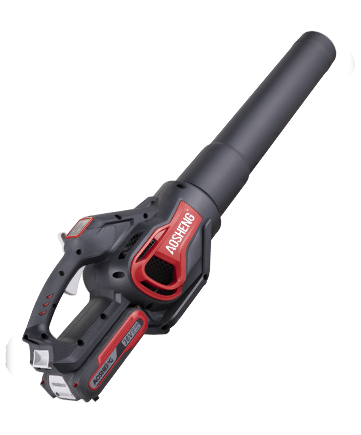
Turbine boost functionBig air volumeInstant startBackpack option for extra battery power
See Details
Extension height of 400cmOregon Bar & ChainTool-less chain tension systemAutomatic oiling systemBackpack option for extra battery power
See Details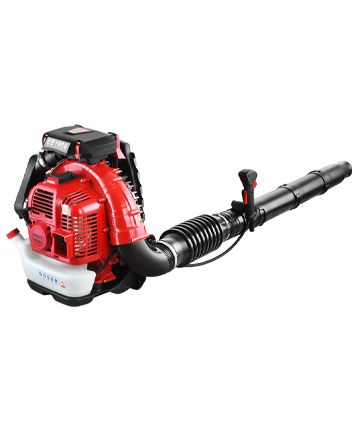
Extremely comfortable adjustable handle Large capacity fuel tank The largest air volume in China Use fire-retardant pipes to extinguish the fire Luxury widen & thicken straps Patented engine reac...
See Details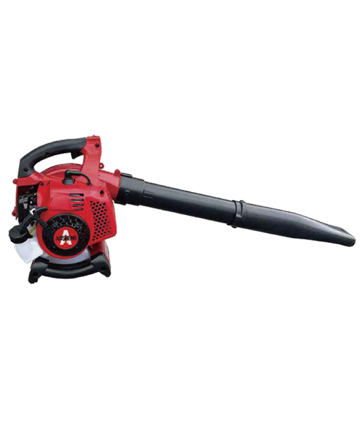
Suction and blowing Euro 5 certification Rubber-coverd handle, Strength nylon collecter.
See Details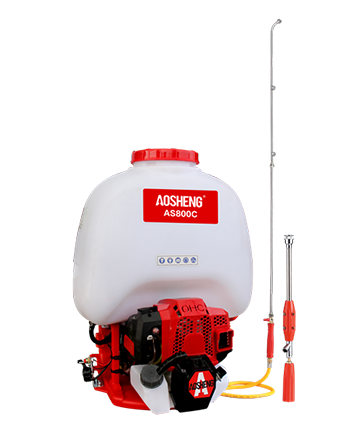
High preformence engine with high quality accessories. Copper meterial pressure pump, corrosion resistance.high atomization effect. Used in agriculture,eqidemic prevention, and disinfection.
See Details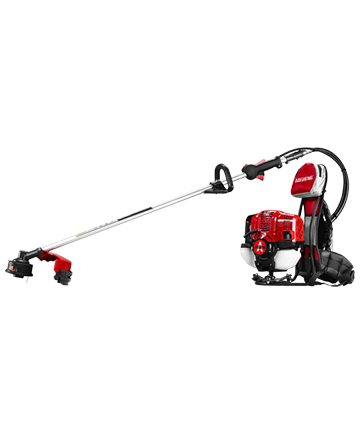
Professional engine, strength power.low consumption, easy to start.Rotating 360°Comfortable control handle and sponge belt. The trimmer head can offer a 460mm cut width. alloy blade diameter is 10 inc...
See Details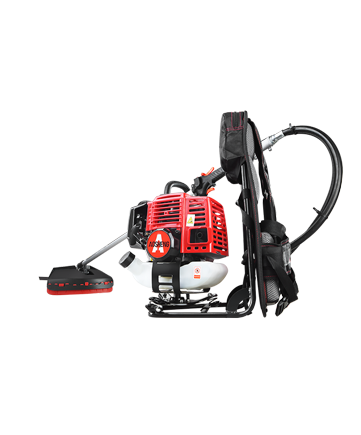
High-performance engine, displacement is 33CC.Professional use opens up wastelandTube size 26mm*1.5mm, strength flexible shaft.Cutting width is 420mmLifetime over 150hours
See Details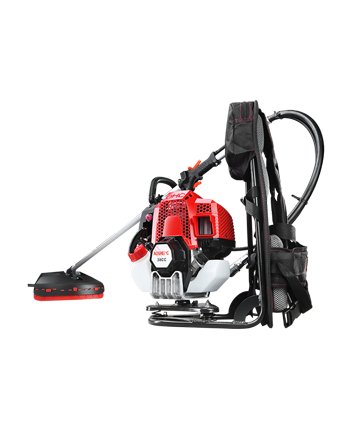
High-performance 4-stroke engine,displacement is 38CC. Professional use in the open-up wasteland Tube size 26mm*1.5mm, strength flexible shaft.Cutting width is 420mm Life time over 150hours New design...
See Details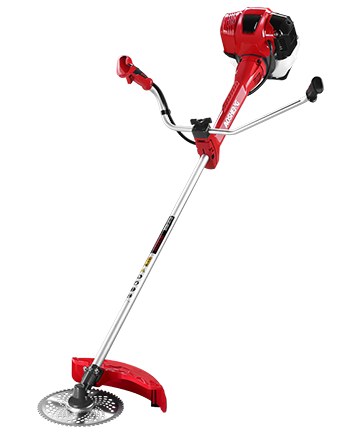
Professional engine, strength power. low consumption, easy to start.Rotating 360°The pole part uses a damper cover. The control handle can rotate 180° to decrease absorption. Rubber-covered handles ma...
See Details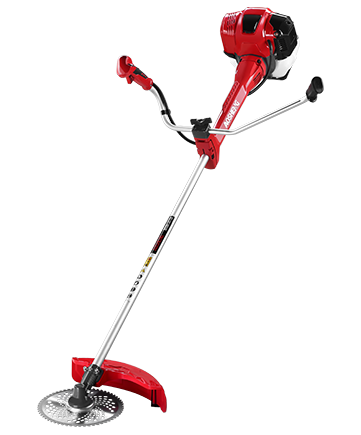
Professional engine, strength power. low consumption, easy to start. Rotating 360° The Pole part uses a damper cover. The control handle can be rotated 180° to decrease absorption. Rubber-covered hand...
See Details