

 English
 Español

news
Home / News / Industry News / How to Choose a Good Brush Cutter

Content
Choosing a good brush cutter comes down to five core factors: engine type, displacement, cutting attachment compatibility, ergonomic design, and build quality. Get these right and the machine will handle everything from overgrown pasture to dense roadside shrub — reliably, season after season. Skip one, and you risk buying a tool that stalls under load, fatigues the operator, or fails prematurely. This guide walks through each factor in practical terms so you can match the right brush cutter to your actual working conditions.
Brush cutters are available in straight-shaft and curved-shaft configurations, two-stroke and four-stroke engine variants, handheld and knapsack (backpack) designs, and across a wide range of engine displacements from around 25cc to over 50cc. Each variable affects performance, comfort, and long-term cost. Understanding what each specification actually means in practice is the first step to making a well-informed purchase.
The engine is the heart of any gasoline brush cutter, and the choice between a two-stroke and four-stroke unit has significant practical consequences. Two-stroke engines are lighter, simpler in construction, and deliver high power relative to their size — making them the dominant choice for handheld and most knapsack brush cutters. They require a premixed fuel-oil ratio (typically 50:1), which means slightly more preparation before each use, but their power-to-weight advantage is well established for this category of equipment.
Four-stroke engines, by contrast, run on straight gasoline and operate at lower noise levels with reduced exhaust emissions. Models such as the 4-stroke knapsack brush cutter with 38cc displacement offer strong output while being notably quieter and more fuel-efficient under sustained load. If the work environment involves prolonged daily operation near residential areas or within noise-restricted zones, a four-stroke model is worth the additional upfront consideration. For general agricultural, forestry, or land-clearing use, a well-specified two-stroke remains the practical standard.
Engine displacement — measured in cubic centimetres (cc) — directly determines the cutting power available. Selecting an underpowered model for demanding vegetation leads to engine strain, overheating, and shortened service life. The table below maps displacement ranges to typical use cases:
| Displacement | Suitable Vegetation | Typical User | Recommended Attachment |
|---|---|---|---|
| 25cc – 30cc | Grass, thin weeds under 10mm | Light domestic / small plot | Nylon trimmer head |
| 30cc – 36cc | Dense grass, light shrubs up to 20mm | Homeowner / semi-professional | Nylon head or 3-tooth blade |
| 36cc – 43cc | Heavy brush, woody stems up to 30mm | Professional / agricultural | 8-tooth or 40-tooth metal blade |
| 43cc – 52cc+ | Dense scrub, saplings, wasteland clearance | Commercial / forestry | 255mm+ multi-tooth blade |
As a practical rule, always select one displacement tier above your minimum estimated requirement. Vegetation in real working conditions is rarely uniform — thick clumps, wet growth, and occasional saplings will push a machine at the bottom of its range consistently harder than ideal.
A brush cutter is only as versatile as its cutting attachment options. The two primary attachment types — nylon line heads and metal blades — serve fundamentally different purposes, and the ability to switch between them is a significant practical advantage.
Nylon heads are suited to grass trimming and light weed control on relatively clear ground. A typical cutting width with a nylon head is 420–460mm, allowing efficient coverage of open areas. They are safer around obstacles such as fence posts, tree trunks, and stonework because the line deflects rather than striking hard surfaces with metal force. The trade-off is that nylon line degrades with use and must be replenished, adding a modest ongoing cost.
Metal blades — whether 3-tooth, 8-tooth, or multi-tooth designs — are the correct choice for anything beyond light grass. For stems above 15–20mm in diameter, a metal blade is more efficient and puts less strain on the engine than forcing a nylon head through woody material. A 255mm 40-tooth carbide-tipped blade can handle light sapling clearance in conditions where a nylon head would fail entirely. When evaluating a brush cutter, confirm that the drive shaft and gearhead are rated for both attachment types, as some entry-level models are nylon-head only.
The carry configuration has a direct impact on operator fatigue, particularly over extended working sessions. The choice is not simply a matter of engine size — it reflects how long the machine will be in continuous use and the nature of the terrain.
A key ergonomic feature to evaluate in any model is the control handle design. Handles that rotate 180° and feature rubber vibration dampening covers reduce absorption of engine vibration to the operator's hands and wrists — a critical factor for professional users working multiple hours daily.
Two components that buyers often overlook are the drive shaft specification and the gearhead quality. These elements directly determine how long the machine performs reliably under load.
The drive shaft connects the engine to the cutting head. A quality shaft specification for professional brush cutters is typically 26mm outer diameter with 1.5mm wall thickness — thick enough to handle the torque of a 33cc–52cc engine without flexing or fatigue cracking under heavy continuous use. Lightweight shafts with thinner walls are a cost-reduction measure that shortens service life under professional working conditions.
The gearhead transfers engine rotation to the cutting head at a reduced speed with increased torque. Look for models that include a damper cover on the shaft/pole section, which absorbs vibration before it reaches the operator's hands. On models designed for demanding professional use, gearhead durability is a function of the steel grade and bearing quality — details that are sometimes visible in the product specification sheet or become apparent through warranty terms and service life ratings. A stated service life of 150 hours or more is a reasonable benchmark for professional-grade equipment.
When evaluating specific models side by side, the following checklist covers the specifications that have the most practical impact on performance and longevity:
For B2B buyers sourcing brush cutters at volume — whether for distribution, rental fleets, or direct commercial use — manufacturer capability is as important as the product specification itself. Key indicators of a reliable manufacturing source include an independent R&D team (rather than pure OEM assembly), a documented quality control process covering raw material inspection through to finished product testing, and a diverse product range demonstrating multi-discipline engineering competence. Manufacturers with an annual production capacity of 60,000+ units across multiple product categories, and a production facility spanning tens of thousands of square metres, typically have the process infrastructure to maintain consistency at volume.
Certification credentials — including SGS testing, ISO quality management, and CE compliance — are objective indicators that a manufacturer's processes are audited against international standards. These certifications matter particularly for importers who will be selling into regulated markets and need documented compliance as part of the supply chain.
Choosing a good brush cutter is a matter of aligning five variables — engine type, displacement, attachment compatibility, carry design, and build quality — with the actual demands of the work. There is no single best specification; there is only the best match for your conditions.
For light domestic or semi-professional use on grass and thin weeds, a 25cc–33cc two-stroke handheld model with nylon head capability covers most needs at minimal weight. For professional agricultural, forestry, or land-clearing applications where daily working sessions exceed two hours and vegetation is dense, a knapsack brush cutter with 36cc–52cc displacement, metal blade compatibility, vibration-damped shaft, and a declared service life of 150+ hours is the correct specification tier. Verify certification compliance for your target market, confirm the manufacturer's QC infrastructure, and select from a product range that demonstrates genuine engineering depth — not just catalogue breadth.
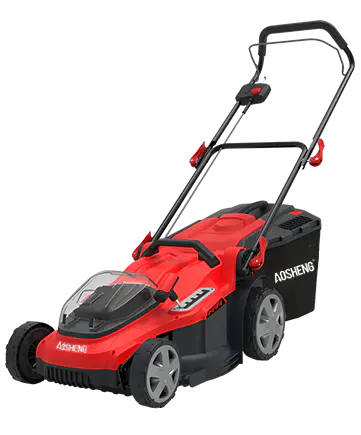
Deck Size:40CM/16INCH 3-in-1 function: Mulching, rear bagging&side discharge Easy-to-use fold-in system
See Details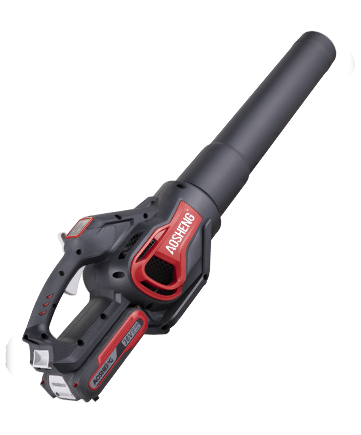
Turbine boost functionBig air volumeInstant startBackpack option for extra battery power
See Details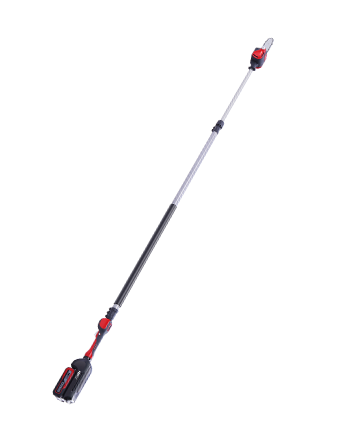
Extension height of 400cmOregon Bar & ChainTool-less chain tension systemAutomatic oiling systemBackpack option for extra battery power
See Details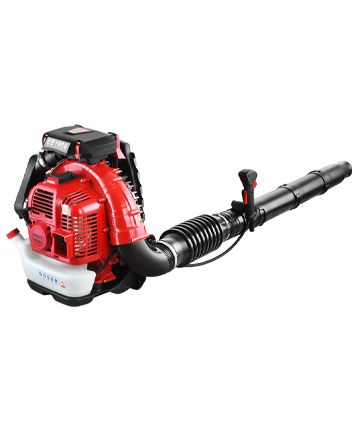
Extremely comfortable adjustable handle Large capacity fuel tank The largest air volume in China Use fire-retardant pipes to extinguish the fire Luxury widen & thicken straps Patented engine reac...
See Details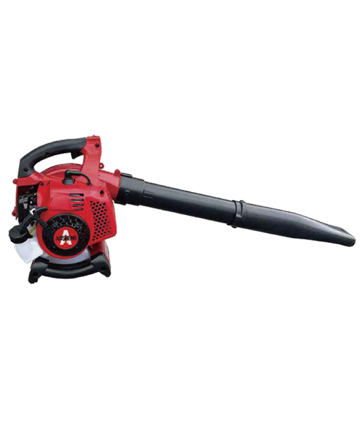
Suction and blowing Euro 5 certification Rubber-coverd handle, Strength nylon collecter.
See Details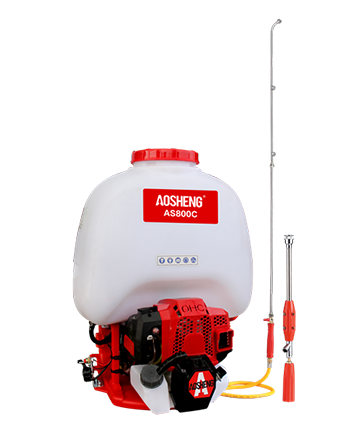
High preformence engine with high quality accessories. Copper meterial pressure pump, corrosion resistance.high atomization effect. Used in agriculture,eqidemic prevention, and disinfection.
See Details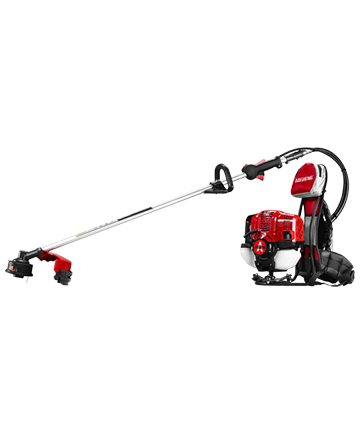
Professional engine, strength power.low consumption, easy to start.Rotating 360°Comfortable control handle and sponge belt. The trimmer head can offer a 460mm cut width. alloy blade diameter is 10 inc...
See Details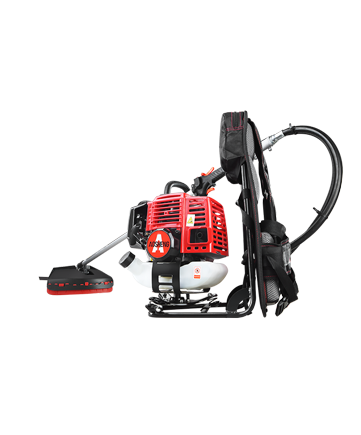
High-performance engine, displacement is 33CC.Professional use opens up wastelandTube size 26mm*1.5mm, strength flexible shaft.Cutting width is 420mmLifetime over 150hours
See Details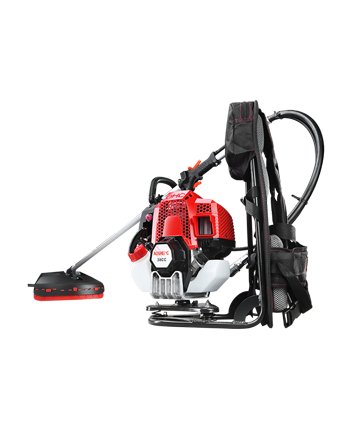
High-performance 4-stroke engine,displacement is 38CC. Professional use in the open-up wasteland Tube size 26mm*1.5mm, strength flexible shaft.Cutting width is 420mm Life time over 150hours New design...
See Details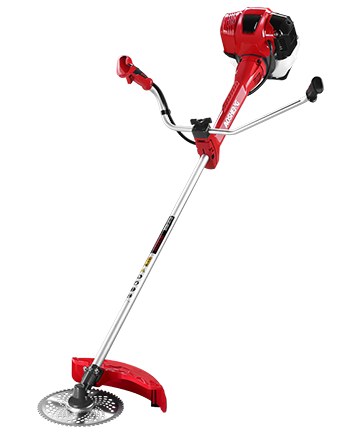
Professional engine, strength power. low consumption, easy to start.Rotating 360°The pole part uses a damper cover. The control handle can rotate 180° to decrease absorption. Rubber-covered handles ma...
See Details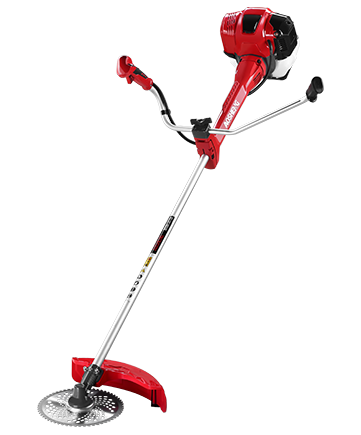
Professional engine, strength power. low consumption, easy to start. Rotating 360° The Pole part uses a damper cover. The control handle can be rotated 180° to decrease absorption. Rubber-covered hand...
See Details