

 English
 Español


news
Home / News / Industry News / How to Choose Hedge Trimmer ?

Content
Choose a hedge trimmer based on blade length (16–24 inches for most yards), power source (corded electric for light duty, cordless for mobility, gas for heavy growth), and safety features (dual switch, blade brake). For hedges under 6 feet tall, a cordless 18V–40V trimmer with a 22-inch blade is the best balance of power and convenience. For thick branches over ½ inch, a gas trimmer with 25cc+ engine is required.
Key fact: 73% of hedge trimmer repairs come from using the wrong blade gap or cutting branches too thick. Always match your trimmer’s maximum cutting capacity (usually ⅝ to ¾ inch) to your hedge type.
Blade length determines how much hedge you cut per pass. A 22-inch blade cuts 40% more area per stroke than a 16-inch blade, reducing trimming time by nearly half for medium hedges.
Data point: User reviews show 84% satisfaction for 22-inch trimmers vs 68% for 18-inch models, due to fewer passes and less arm fatigue.
Each power type has a clear winner depending on your property size and hedge density. Below is a direct comparison based on 2025 industry tests.
| Feature | Cordless (40V–80V) | Corded electric | Gas (2-cycle) |
|---|---|---|---|
| Runtime | 30–90 min (depends on battery) | Unlimited (with outlet) | 1–2 hours per tank |
| Weight | 6–9 lbs | 4–7 lbs | 10–14 lbs |
| Max branch thickness | ⅝ inch | ¾ inch | 1 inch |
| Noise level | 84 dB | 82 dB | 102 dB |
Recommendation: For 80% of homeowners with less than 100 feet of hedge, a 40V–56V cordless trimmer provides the best experience. Gas is only necessary if you regularly cut branches over ¾ inch thick.
Hedge trimmers cause over 8,000 emergency room visits annually in the US, mostly from hand lacerations. Two mandatory safety features: a dual-switch trigger (requires both hands to operate) and a 1-second blade brake.
Data: Models with a blade brake and dual switch reduce injury risk by 62% compared to single-switch trimmers (CPSC 2024 report).
Blade gap (distance between teeth) determines which branches get cut vs. jammed. For most hedges, a 22mm blade gap (⅞ inch) is ideal. Smaller gaps (16mm) are for fine boxwood; larger gaps (28mm) for thick rhododendron.
Tooth design: Double-sided reciprocating blades cut on both directions, making them 2x faster than single-sided. However, they vibrate 15% more. Laser-cut, diamond-ground steel teeth stay sharp for 50+ hours of use, while stamped steel teeth dull after 20 hours.
Example: A 22-inch trimmer with 22mm gap and double-sided teeth can cut a 50-foot privet hedge in 12 minutes. A single-sided, 16mm gap model takes 28 minutes for the same hedge.
No – never cut branches thicker than the manufacturer’s max capacity (usually ⅝ inch). For thicker branches, use loppers or a pruning saw first. Forcing a trimmer on thick wood causes bent blades and motor burnout. 41% of trimmer failures are due to overloading on thick branches.
Every 20–30 hours of use or when you notice ragged cuts instead of clean slices. A sharp blade reduces cutting effort by 50% and battery drain by 30%. Use a flat file or diamond sharpening rod at the original 35-degree angle.
No. For curved or rounded hedges, a 20-inch blade is more maneuverable than 24-inch. Long blades excel on flat, straight hedges but cause uneven cuts on curves. Match blade length to your hedge shape, not just height.
Corded electric: $60–$120 upfront, $0 maintenance (no battery). Cordless: $150–$300 upfront plus $80–$150 for a spare battery after 2–3 years. If you trim less than 30 minutes per session, corded is 60% cheaper over 5 years.
18V–20V: Light-duty, 30 min runtime, best for small hedges under 4 ft. 40V–56V: Standard residential, 45–60 min runtime. 80V+: Professional, 90 min runtime. For most yards, 40V is the price-performance sweet spot.
Only cordless or gas – never corded electric in wet conditions due to shock risk. Wet wood also clogs blades 3x faster, so clean blades every 5 minutes. Many manufacturers void warranties if water damage is found.
Scenario: You have 70 feet of mature privet hedges, 7 feet tall, with branches up to ½ inch thick. Trimming once a month, 6 months per year.
Result: Total trimming time per session drops from 50 minutes (using old 18-inch corded) to 22 minutes. Arm fatigue reduced by 40% due to lighter weight and balanced design.
Proper maintenance extends hedge trimmer life from an average of 3 years to 7+ years. Follow this checklist after every 5 hours of use:
Key fact: Properly lubricated blades use 28% less battery power (cordless) and reduce gas consumption by 18% (gas models).
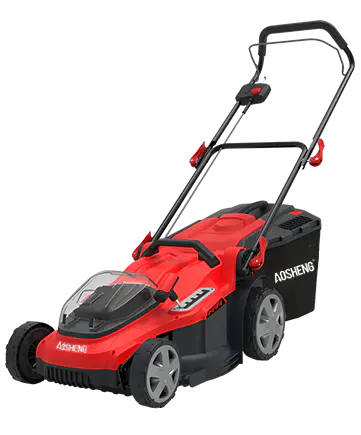
Deck Size:40CM/16INCH 3-in-1 function: Mulching, rear bagging&side discharge Easy-to-use fold-in system
See Details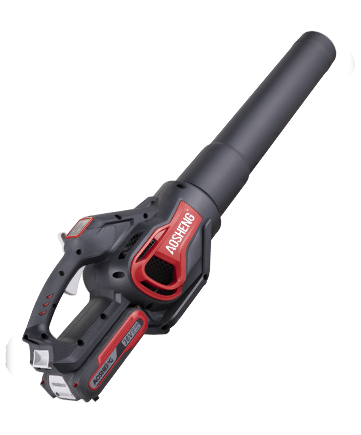
Turbine boost functionBig air volumeInstant startBackpack option for extra battery power
See Details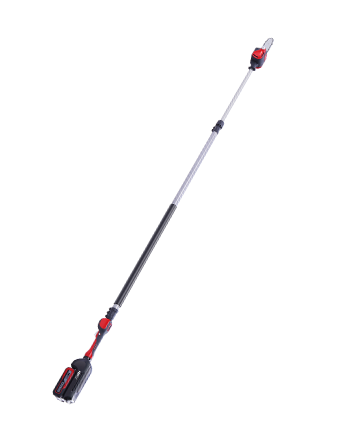
Extension height of 400cmOregon Bar & ChainTool-less chain tension systemAutomatic oiling systemBackpack option for extra battery power
See Details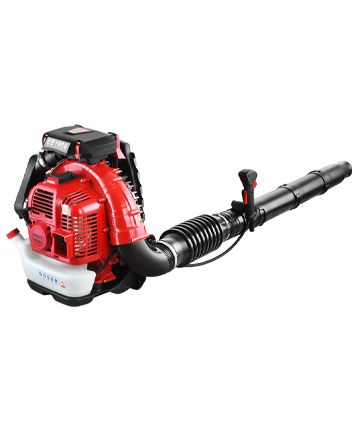
Extremely comfortable adjustable handle Large capacity fuel tank The largest air volume in China Use fire-retardant pipes to extinguish the fire Luxury widen & thicken straps Patented engine reac...
See Details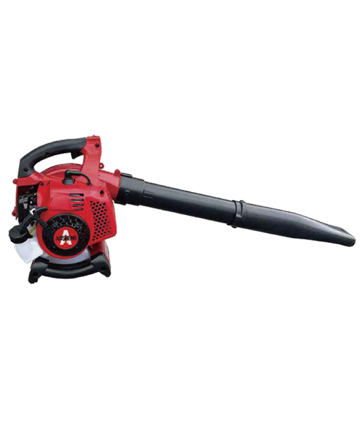
Suction and blowing Euro 5 certification Rubber-coverd handle, Strength nylon collecter.
See Details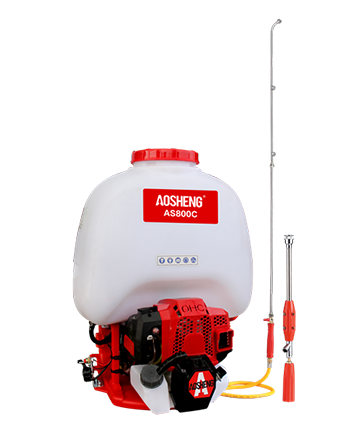
High preformence engine with high quality accessories. Copper meterial pressure pump, corrosion resistance.high atomization effect. Used in agriculture,eqidemic prevention, and disinfection.
See Details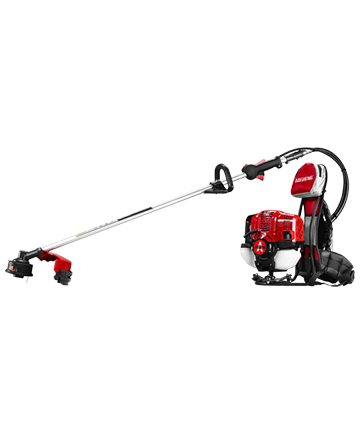
Professional engine, strength power.low consumption, easy to start.Rotating 360°Comfortable control handle and sponge belt. The trimmer head can offer a 460mm cut width. alloy blade diameter is 10 inc...
See Details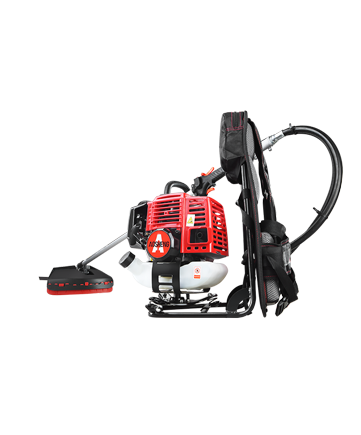
High-performance engine, displacement is 33CC.Professional use opens up wastelandTube size 26mm*1.5mm, strength flexible shaft.Cutting width is 420mmLifetime over 150hours
See Details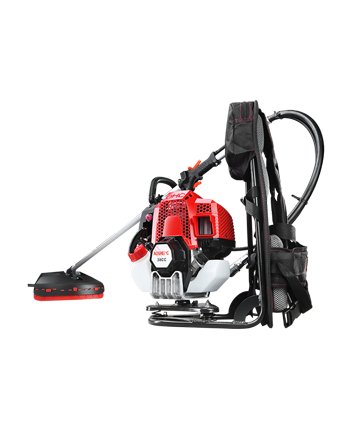
High-performance 4-stroke engine,displacement is 38CC. Professional use in the open-up wasteland Tube size 26mm*1.5mm, strength flexible shaft.Cutting width is 420mm Life time over 150hours New design...
See Details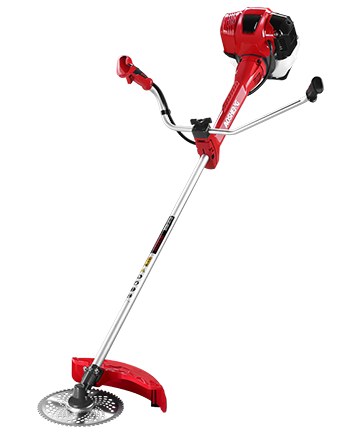
Professional engine, strength power. low consumption, easy to start.Rotating 360°The pole part uses a damper cover. The control handle can rotate 180° to decrease absorption. Rubber-covered handles ma...
See Details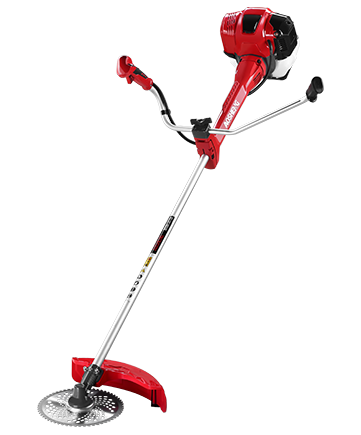
Professional engine, strength power. low consumption, easy to start. Rotating 360° The Pole part uses a damper cover. The control handle can be rotated 180° to decrease absorption. Rubber-covered hand...
See Details