

 English
 Español

news
Home / News / Industry News / How to use a Pole Saw?

Content
Safe and effective pole saw operation requires three things: proper pre-operation inspection, correct body positioning, and the use of precise cutting techniques. Whether using a manual or powered model, the core principle remains the same—let the tool do the work while you maintain control. Rushing this process is the primary cause of the approximately 36,000 chainsaw-related injuries treated in US emergency rooms annually, many of which involve pole saws.
This guide provides a direct, step-by-step methodology to ensure you can trim high branches safely while protecting both yourself and your trees.
Before the pole saw even touches a branch, you must prepare your workspace and your equipment. 80% of pole saw accidents are caused by user error, often from ignoring basic setup procedures.
Clear the area below the branch of people, pets, and obstacles. Establish a "drop zone" and ensure you have a clear retreat path. Never work directly underneath the branch you are cutting.
This is the core functional method for using a pole saw. It prevents the bark from tearing and ensures a clean cut that heals quickly.
For branches larger than 4 inches in diameter, it is advisable to use a manual hand saw for the final collar cut, as a powered pole saw can be difficult to control precisely on larger wood.
How you hold and position your body directly impacts both the quality of the cut and your safety. Improper stance leads to fatigue and loss of control.
Different pole saws require slightly different handling techniques. Adhering to the manufacturer's guidelines is critical for both performance and warranty.
| Tool Type | Power Source | Operating Nuance |
|---|---|---|
| Manual | Human Force | Use long, fluid strokes. Let the teeth do the cutting; forcing the blade can cause the pole to whip. |
| Electric | Corded/Battery | Maintain a clear cord path. For battery, match voltage to branch density (40V for branches over 6 inches). |
| Gas | 2-Stroke Engine | Use full throttle only when cutting. Allow the chain to stop moving before repositioning the saw. |
Regardless of the type, always check the tension of the chain or blade before each use. A loose chain on a powered saw is a major safety hazard.
Proper use of a pole saw extends to how you handle it after the job is done. Maintenance ensures the tool functions correctly the next time you need it.
By following these structured phases—from setup and cutting technique to maintenance—you ensure that using a pole saw is a safe, efficient, and tree-friendly experience.

Deck Size:40CM/16INCH 3-in-1 function: Mulching, rear bagging&side discharge Easy-to-use fold-in system
See Details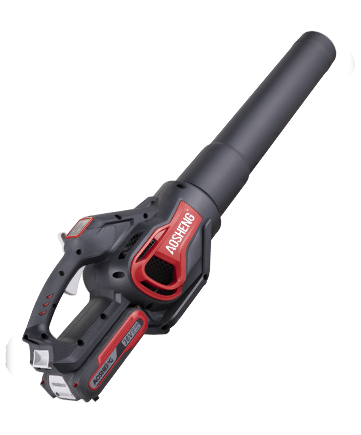
Turbine boost functionBig air volumeInstant startBackpack option for extra battery power
See Details
Extension height of 400cmOregon Bar & ChainTool-less chain tension systemAutomatic oiling systemBackpack option for extra battery power
See Details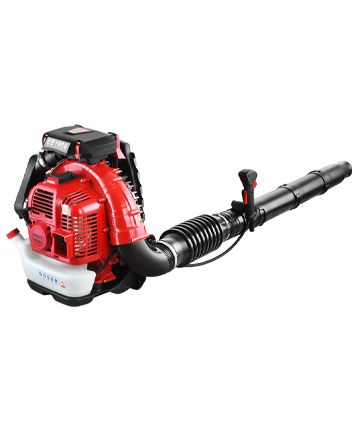
Extremely comfortable adjustable handle Large capacity fuel tank The largest air volume in China Use fire-retardant pipes to extinguish the fire Luxury widen & thicken straps Patented engine reac...
See Details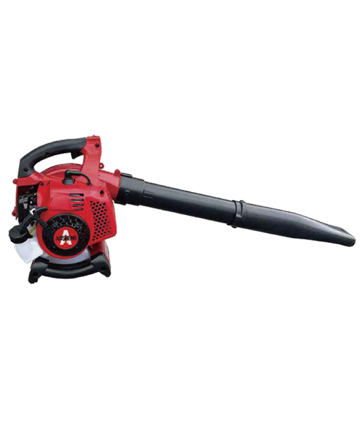
Suction and blowing Euro 5 certification Rubber-coverd handle, Strength nylon collecter.
See Details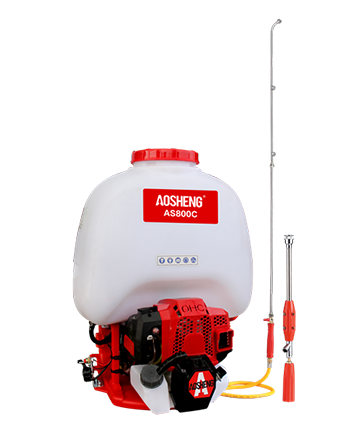
High preformence engine with high quality accessories. Copper meterial pressure pump, corrosion resistance.high atomization effect. Used in agriculture,eqidemic prevention, and disinfection.
See Details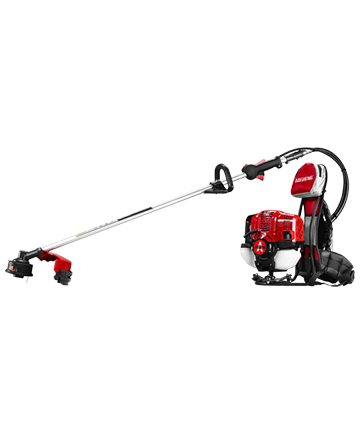
Professional engine, strength power.low consumption, easy to start.Rotating 360°Comfortable control handle and sponge belt. The trimmer head can offer a 460mm cut width. alloy blade diameter is 10 inc...
See Details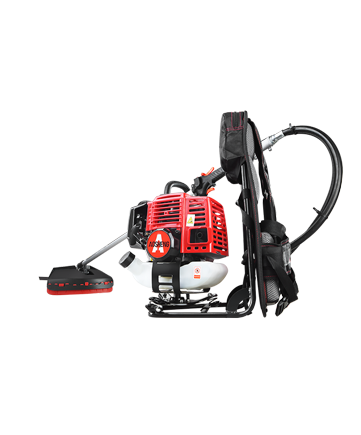
High-performance engine, displacement is 33CC.Professional use opens up wastelandTube size 26mm*1.5mm, strength flexible shaft.Cutting width is 420mmLifetime over 150hours
See Details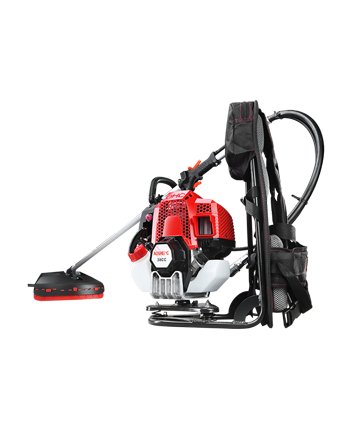
High-performance 4-stroke engine,displacement is 38CC. Professional use in the open-up wasteland Tube size 26mm*1.5mm, strength flexible shaft.Cutting width is 420mm Life time over 150hours New design...
See Details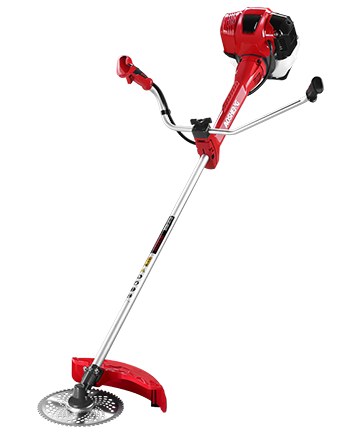
Professional engine, strength power. low consumption, easy to start.Rotating 360°The pole part uses a damper cover. The control handle can rotate 180° to decrease absorption. Rubber-covered handles ma...
See Details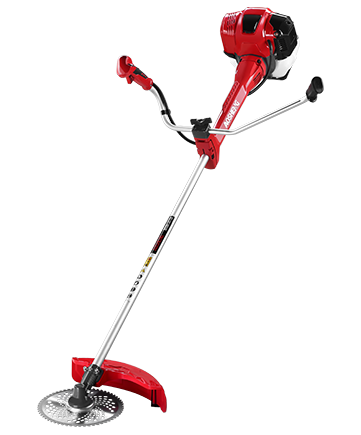
Professional engine, strength power. low consumption, easy to start. Rotating 360° The Pole part uses a damper cover. The control handle can be rotated 180° to decrease absorption. Rubber-covered hand...
See Details