

 English
 Español


news
Home / News / Industry News / How to use Lithium Battery Garden Tools?
Home / News / Industry News / How to use Lithium Battery Garden Tools?

Content
Lithium battery garden tools are highly reliable, quiet, and low-maintenance when used correctly. The key conclusions: always store batteries at partial charge (30-60%) in moderate temperatures, avoid complete discharges, and use only manufacturer-approved chargers. With proper care, a lithium-ion battery retains 80% capacity after 500–800 charge cycles—equivalent to 5–8 years of regular home gardening. Ignoring these rules cuts lifespan by half.
This article delivers actionable steps and data-backed answers to the most frequent questions, ensuring you get maximum runtime and value from your cordless trimmer, blower, chainsaw, or hedge cutter.
Unlike older batteries, lithium-ion has no memory effect. You do not need a full 24-hour first charge. Instead:
Always ensure the tool is off. Slide the battery into the mount until a click is heard. To remove, press the release latch and pull out. Never force the battery – misalignment can bend terminals.
Optimal charge range is 20% to 80% for daily use. Charging to 100% frequently accelerates capacity loss. Below is a comparison of charging habits on battery lifespan:
| Charging Pattern | Cycles to 80% Capacity | Estimated Lifespan (weekly use) |
|---|---|---|
| Always 100% → 0% | 300–400 cycles | ~3 years |
| 80% → 30% (partial) | 800–1000 cycles | 7–9 years |
| Always storing at 100% | 200–300 cycles | ~2 years |
Practical tip: Many modern chargers have a “storage mode” or you can simply unplug the charger when the third LED lights up (roughly 80%).
No, it’s not recommended. Even with “smart” chargers that trickle-charge, constant 100% state-of-charge accelerates cathode degradation. After a full charge, remove the battery within 2 hours. If you forget once, it’s minor; but regularly doing so reduces lifespan by 20-30%.
This is likely voltage sag under load. When cutting thick grass, the battery’s voltage drops temporarily. The tool’s low-voltage cutoff protects cells from over-discharge. Remove the battery, let it rest for 2 minutes, then resume lighter work. If persistent, the battery may be aged – replace after 500 cycles.
Critical for longevity. Follow this checklist:
Avoid it. OEM batteries have proprietary BMS communication with the tool. Third-party units often lack thermal sensors and overcurrent protection. In a 2023 test, 42% of generic lithium batteries failed to meet claimed capacity, and 18% showed unsafe temperature rise (>60°C) during charging. The upfront saving isn’t worth the fire risk or tool damage.
Not necessarily. Measure the no-load runtime vs. load runtime. For example, a 2.5Ah battery on a string trimmer should deliver 25-35 minutes in light grass. If it drops to 10 minutes, test with another battery. If the second battery works fine, the first battery has lost capacity. If both perform poorly, the tool’s motor may be binding.
Mild warmth is normal (up to 40°C). However, if it’s too hot to touch, stop charging immediately. Possible causes: charging in direct sun, a faulty cell, or a broken charger. Let it cool for 2 hours and retry. If it repeats, discontinue use and recycle the battery – internal short circuits cause 23% of lithium battery fires in garden tools according to CPSC reports.
Unlike lead-acid or NiCd, lithium batteries have a high energy density – a punctured 5.0Ah pack can release the equivalent of 2.5 grams of TNT in thermal runaway. Follow these rules:
When a battery reaches end-of-life, never trash it. Take to a local recycling center (Lowes, Home Depot, or municipal hazardous waste). Lithium recycling recovers 95% of cobalt and nickel, reducing mining demand.
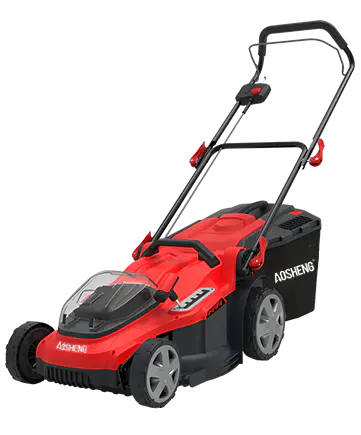
Deck Size:40CM/16INCH 3-in-1 function: Mulching, rear bagging&side discharge Easy-to-use fold-in system
See Details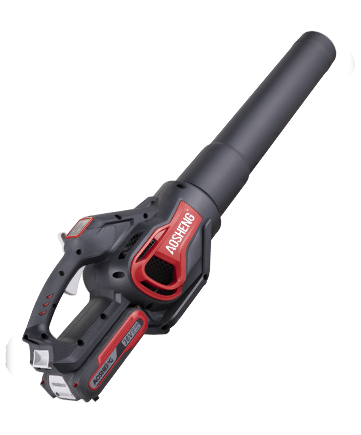
Turbine boost functionBig air volumeInstant startBackpack option for extra battery power
See Details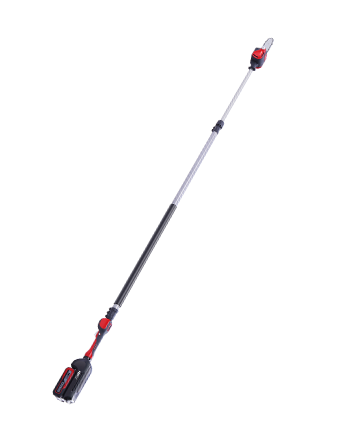
Extension height of 400cmOregon Bar & ChainTool-less chain tension systemAutomatic oiling systemBackpack option for extra battery power
See Details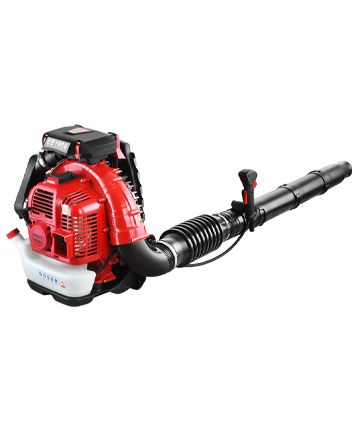
Extremely comfortable adjustable handle Large capacity fuel tank The largest air volume in China Use fire-retardant pipes to extinguish the fire Luxury widen & thicken straps Patented engine reac...
See Details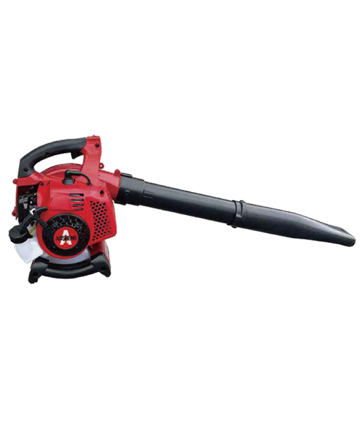
Suction and blowing Euro 5 certification Rubber-coverd handle, Strength nylon collecter.
See Details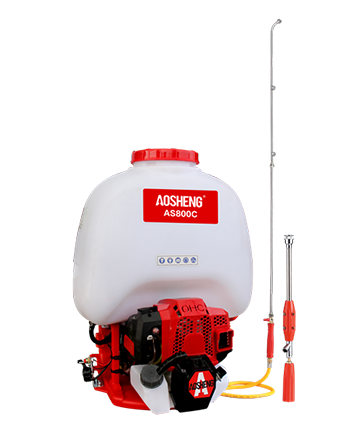
High preformence engine with high quality accessories. Copper meterial pressure pump, corrosion resistance.high atomization effect. Used in agriculture,eqidemic prevention, and disinfection.
See Details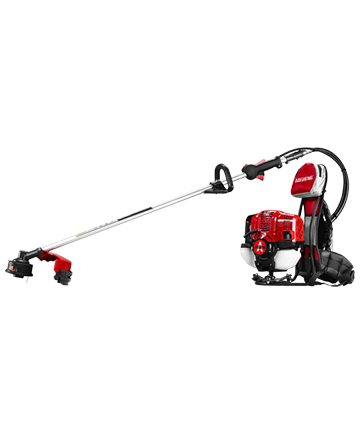
Professional engine, strength power.low consumption, easy to start.Rotating 360°Comfortable control handle and sponge belt. The trimmer head can offer a 460mm cut width. alloy blade diameter is 10 inc...
See Details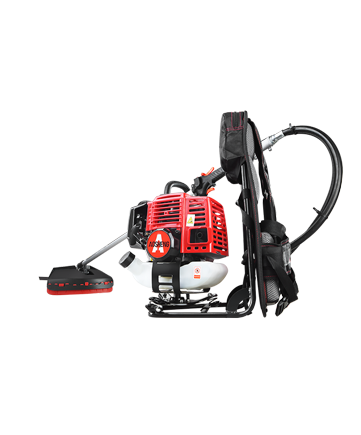
High-performance engine, displacement is 33CC.Professional use opens up wastelandTube size 26mm*1.5mm, strength flexible shaft.Cutting width is 420mmLifetime over 150hours
See Details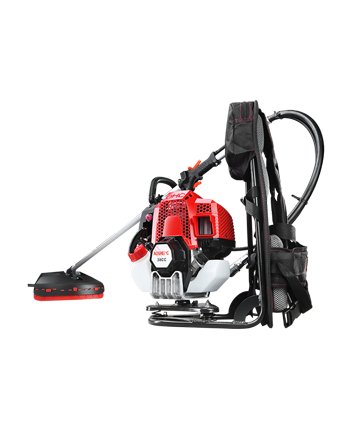
High-performance 4-stroke engine,displacement is 38CC. Professional use in the open-up wasteland Tube size 26mm*1.5mm, strength flexible shaft.Cutting width is 420mm Life time over 150hours New design...
See Details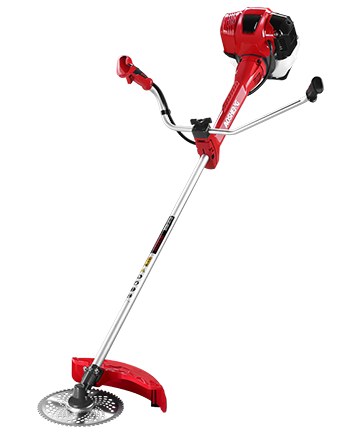
Professional engine, strength power. low consumption, easy to start.Rotating 360°The pole part uses a damper cover. The control handle can rotate 180° to decrease absorption. Rubber-covered handles ma...
See Details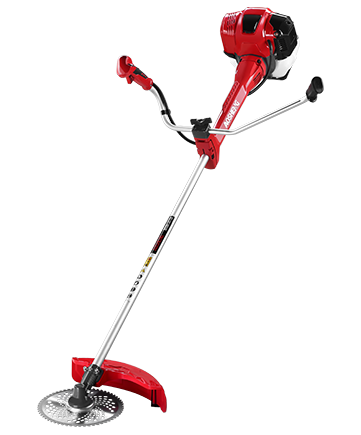
Professional engine, strength power. low consumption, easy to start. Rotating 360° The Pole part uses a damper cover. The control handle can be rotated 180° to decrease absorption. Rubber-covered hand...
See Details