

 English
 Español


news
Home / News / Industry News / Lawn Mower Overheating Symptoms: Causes, Fixes & Prevention
Home / News / Industry News / Lawn Mower Overheating Symptoms: Causes, Fixes & Prevention

Content
The clearest lawn mower overheating symptoms are a sudden loss of power, the engine stalling or shutting off mid-mow, a strong hot or burning smell, visible smoke or steam from the engine housing, and excessive heat radiating from the deck or motor casing. On gasoline mowers, this is most often caused by low oil, a blocked cooling fin, or a clogged air filter restricting airflow. On battery-powered mowers, overheating usually triggers an automatic shutdown as the battery management system protects the cells from thermal damage.
If you notice any of these signs, stop mowing immediately and let the machine cool for at least 15-20 minutes before inspecting it further. Continuing to run an overheating lawn mower risks permanent engine or battery damage.
Recognizing the early warning signs of an overheating lawn mower can prevent costly repairs. The table below summarizes the most frequent symptoms and what they typically indicate.
| Symptom | Likely Cause |
|---|---|
| Sudden power loss mid-mow | Engine or motor temperature protection activating |
| Burning or hot plastic smell | Overheated belt, wiring, or motor windings |
| Smoke or steam from engine bay | Low oil level or coolant fin blockage (gasoline mowers) |
| Mower stalls and won't restart | Thermal shutdown safety feature triggered |
| Battery pack feels hot to the touch | Battery management system limiting current under load |
| Sluggish, reduced cutting performance | Engine or motor compensating for heat-related power throttling |
Gasoline-powered lawn mowers rely on air cooling, where fins on the engine block dissipate heat as air flows across them. When this airflow is restricted or the engine is running under stress, internal temperatures can climb quickly.
Battery-powered lawn mowers behave differently from gasoline models. Instead of mechanical wear, overheating in a lithium battery mower typically comes from the battery cells or motor electronics reaching their thermal limit under sustained high load.
Most quality lithium battery mowers include a battery management system (BMS) that automatically reduces power or shuts the mower down when cell temperature approaches an unsafe threshold. This is a protective feature, not a malfunction — it is designed to prevent permanent battery damage and protect the user.
Most overheating issues are preventable with regular maintenance and mindful mowing habits.
For cordless lawn mowers, letting the battery cool for about 20-30 minutes before recharging helps extend its overall lifespan. Storing batteries at a partial charge of roughly 30-60 percent in a moderate-temperature environment, rather than fully charged or fully drained, also reduces long-term heat-related degradation of the cells.
Some overheating symptoms point to issues beyond routine cleaning and maintenance. Stop using the lawn mower and consult a qualified technician if you notice any of the following:
These signs may indicate internal damage to the motor windings, battery cells, or wiring that requires professional diagnosis rather than at-home troubleshooting.
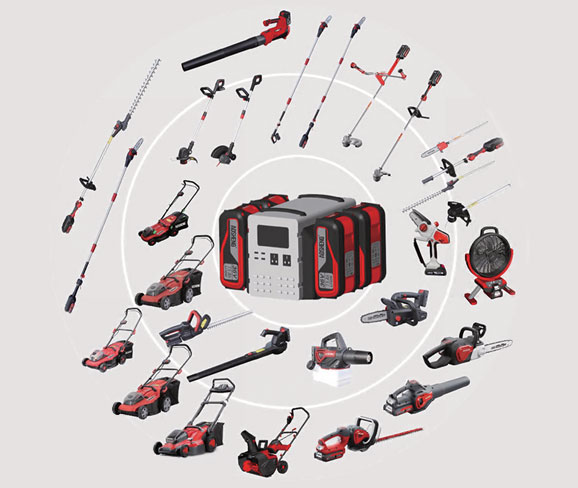
Ningbo Aosheng Machine Co., Ltd. designs and manufactures lithium battery lawn mowers built with protective battery management systems that monitor cell temperature and automatically regulate power output to help prevent overheating during demanding mowing sessions. Our cordless lawn mower platforms are engineered for quieter, lower-maintenance operation compared to traditional gasoline models, while maintaining cutting performance suited to residential and light commercial lawns.
For product specifications, battery compatibility details, or bulk and OEM/ODM inquiries, our team is available to provide technical documentation and samples tailored to your requirements.
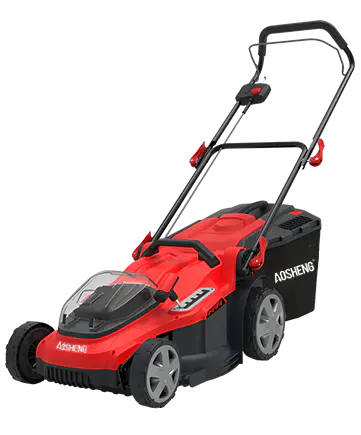
Deck Size:40CM/16INCH 3-in-1 function: Mulching, rear bagging&side discharge Easy-to-use fold-in system
See Details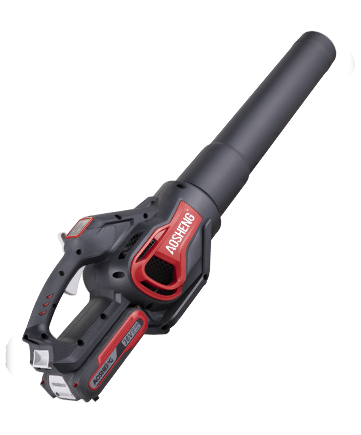
Turbine boost functionBig air volumeInstant startBackpack option for extra battery power
See Details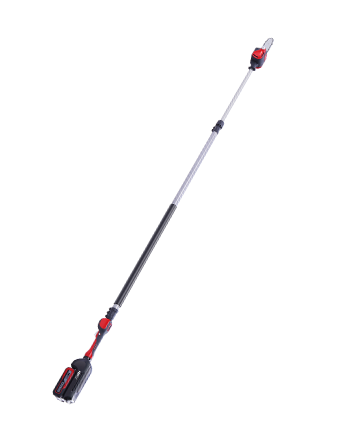
Extension height of 400cmOregon Bar & ChainTool-less chain tension systemAutomatic oiling systemBackpack option for extra battery power
See Details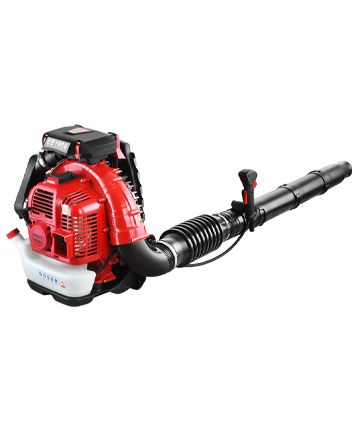
Extremely comfortable adjustable handle Large capacity fuel tank The largest air volume in China Use fire-retardant pipes to extinguish the fire Luxury widen & thicken straps Patented engine reac...
See Details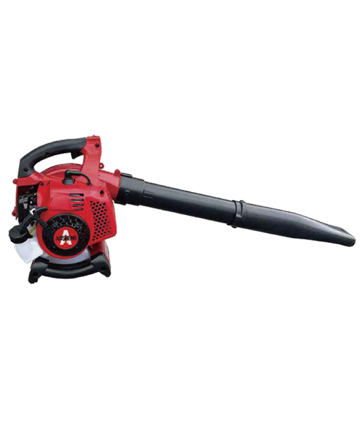
Suction and blowing Euro 5 certification Rubber-coverd handle, Strength nylon collecter.
See Details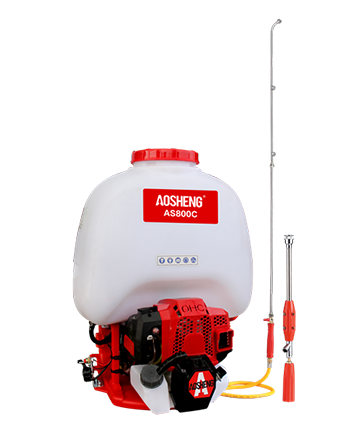
High preformence engine with high quality accessories. Copper meterial pressure pump, corrosion resistance.high atomization effect. Used in agriculture,eqidemic prevention, and disinfection.
See Details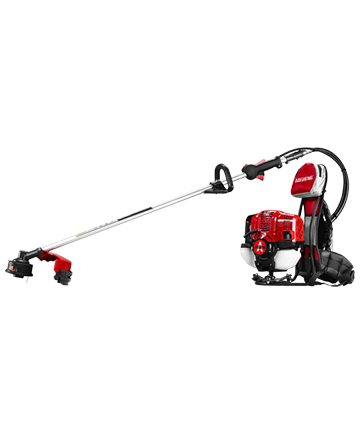
Professional engine, strength power.low consumption, easy to start.Rotating 360°Comfortable control handle and sponge belt. The trimmer head can offer a 460mm cut width. alloy blade diameter is 10 inc...
See Details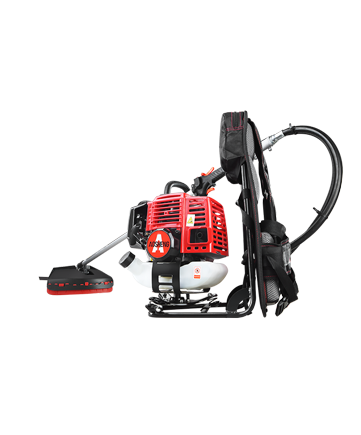
High-performance engine, displacement is 33CC.Professional use opens up wastelandTube size 26mm*1.5mm, strength flexible shaft.Cutting width is 420mmLifetime over 150hours
See Details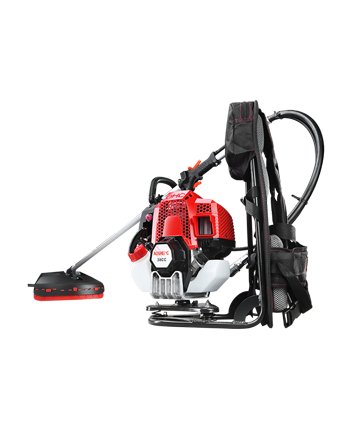
High-performance 4-stroke engine,displacement is 38CC. Professional use in the open-up wasteland Tube size 26mm*1.5mm, strength flexible shaft.Cutting width is 420mm Life time over 150hours New design...
See Details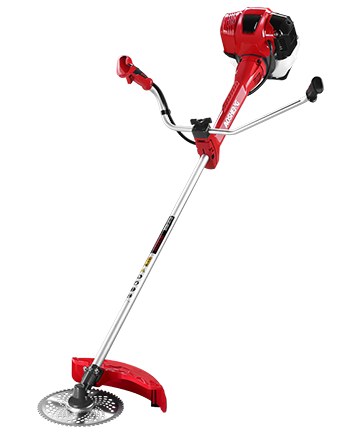
Professional engine, strength power. low consumption, easy to start.Rotating 360°The pole part uses a damper cover. The control handle can rotate 180° to decrease absorption. Rubber-covered handles ma...
See Details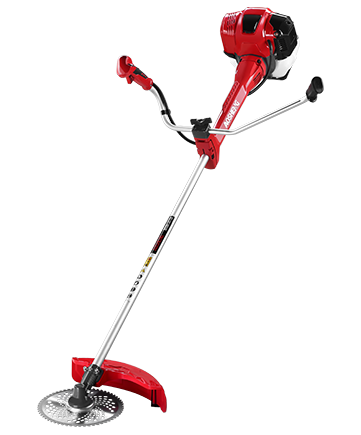
Professional engine, strength power. low consumption, easy to start. Rotating 360° The Pole part uses a damper cover. The control handle can be rotated 180° to decrease absorption. Rubber-covered hand...
See Details