

 English
 Español


news
Home / News / Industry News / Leaf Blower Maintenance Guide: Keep Your Blower Running Longer
Home / News / Industry News / Leaf Blower Maintenance Guide: Keep Your Blower Running Longer

Content
Proper leaf blower maintenance comes down to five recurring tasks: cleaning or replacing the air filter, inspecting the spark plug, using the correct fuel mixture, keeping the cooling fins free of debris, and storing the blower correctly between seasons. A gasoline blower that receives these checks on a regular schedule typically starts on the first or second pull, produces consistent airflow, and lasts far longer than a unit that only gets attention after it fails to run. The sections below explain each task in detail, with practical intervals and troubleshooting guidance you can apply immediately.
Before starting a gasoline-powered blower, a short visual and functional check prevents the majority of on-site breakdowns. This routine takes less than five minutes but catches most problems before they become expensive repairs.
Operators who work in dusty or leaf-heavy environments, such as parks, golf courses, or large farms, should shorten this checklist to a quick daily habit rather than a weekly one, since airflow-restricting debris accumulates faster under heavy-duty use.
The air filter is the single most common cause of hard starting, rough idling, and reduced airflow output in gasoline blowers. A clogged filter starves the engine of air, forcing the fuel mixture to run rich, which wastes fuel and fouls the spark plug over time.
As a general industry practice, foam air filters should be cleaned every 5 to 10 hours of operation, or more frequently in dusty conditions. Remove the filter, wash it in warm water with a small amount of dish soap, squeeze out excess water without twisting the foam, and allow it to dry completely before reinstalling. A dry filter can be lightly oiled with two-stroke engine oil if the manufacturer specifies an oiled-foam design. Paper filter elements cannot be washed; tap out loose debris and replace the element once it appears grey or damaged.
A worn or fouled spark plug is the second most frequent reason a blower fails to start or runs unevenly. Removing the plug periodically lets an operator catch problems before they leave a machine unusable in the field.
Most manufacturers recommend inspecting the spark plug every 25 hours of use and replacing it annually, or sooner if the electrode gap has widened or the porcelain insulator is cracked. Set the gap according to the engine's specification sheet before reinstalling, since an incorrect gap can cause misfires even with a new plug.
Most gasoline leaf blowers use a two-stroke engine, which means fuel and oil must be mixed correctly rather than run separately as in a car engine. Fuel-related mistakes are one of the leading causes of premature engine wear.
Always mix fuel at the ratio specified in the engine's manual, commonly 25:1 or 50:1 depending on the model, and use fresh, high-octane gasoline rather than fuel that has sat in a container for more than 30 days. Old fuel oxidizes and can leave gum deposits in the carburetor, which is one of the most common reasons a stored blower refuses to start the following season. Use a fuel stabilizer if the blower will sit idle for more than a month, and always shake the fuel container thoroughly before pouring, since oil and gasoline separate over time.
Gasoline engines are air-cooled, which means the cylinder fins rely on unobstructed airflow to prevent overheating. Grass, leaves, and dust that build up around the cylinder shroud trap heat and can lead to engine seizure over extended, heavy-duty use.
After every few uses, remove the engine shroud if accessible and use a soft brush or compressed air to clear debris from between the cylinder fins. Inspect the impeller blades for cracks or chips, since a damaged impeller reduces airflow output and can create vibration that loosens other fasteners over time. Tighten the housing screws periodically, as constant vibration from engine operation naturally loosens hardware.
A blower that will not be used for a month or more, such as during winter, needs different preparation than one used daily. Skipping storage steps is a leading cause of hard starts in spring.
The table below summarizes the most frequent issues reported by blower operators and the maintenance steps that typically resolve them.
| Symptom | Likely Cause | Recommended Action |
|---|---|---|
| Hard starting or no start | Clogged air filter, old fuel, or fouled spark plug | Clean the filter, drain and replace fuel, inspect and clean the plug |
| Weak or reduced airflow | Blocked intake screen or damaged impeller | Clear debris from the intake and inspect impeller blades |
| Engine runs but stalls under load | Incorrect fuel mixture or dirty carburetor | Re-mix fuel at the correct ratio and have the carburetor cleaned |
| Excess vibration or rattling | Loose housing screws or debris in the impeller housing | Tighten fasteners and inspect the housing interior |
| Overheating or loss of power over time | Debris packed around cooling fins | Remove the shroud and clear the cylinder fins with a brush |
Following a consistent schedule is more effective than reacting only when a problem appears. The table below offers a practical starting point that can be adjusted based on how heavily the blower is used.
| Task | Frequency |
|---|---|
| Visual pre-use inspection | Every use |
| Air filter cleaning | Every 5 to 10 operating hours |
| Spark plug inspection | Every 25 operating hours |
| Cooling fin cleaning | Every 20 to 25 operating hours |
| Fuel system check and fresh fuel mix | Every fill-up, or every 30 days at minimum |
| Full off-season preparation | Once per year, before storage |
Even the best maintenance routine cannot fully compensate for a blower built with weak components. Engine tolerances, casting quality of the impeller housing, and the precision of the carburetor all influence how often a machine needs attention and how long it lasts under repeated use.
Ningbo Aosheng Machine Co., Ltd. manufactures gasoline-engine garden tools, including backpack and handheld blowers, using an in-house production base equipped with CNC machining centers and die-casting equipment to keep component tolerances consistent across production runs. Blowers built to tighter tolerances tend to hold their tune-up intervals more predictably, which makes routine leaf blower maintenance more effective rather than a constant fight against manufacturing inconsistency. For operators managing large properties, parks, or agricultural land, choosing a well-built blower and pairing it with the maintenance steps above is the most reliable way to keep a fleet of tools running through a full working season.
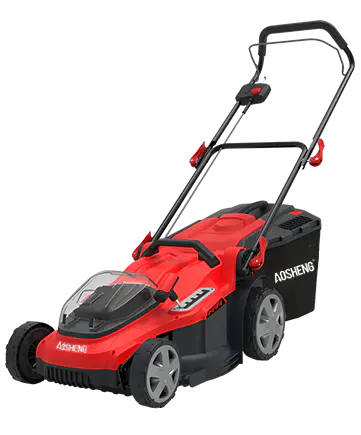
Deck Size:40CM/16INCH 3-in-1 function: Mulching, rear bagging&side discharge Easy-to-use fold-in system
See Details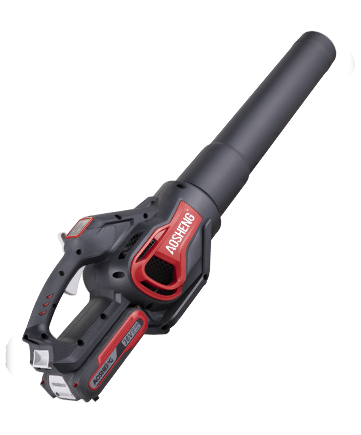
Turbine boost functionBig air volumeInstant startBackpack option for extra battery power
See Details
Extension height of 400cmOregon Bar & ChainTool-less chain tension systemAutomatic oiling systemBackpack option for extra battery power
See Details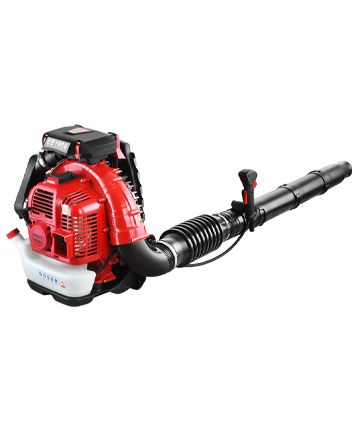
Extremely comfortable adjustable handle Large capacity fuel tank The largest air volume in China Use fire-retardant pipes to extinguish the fire Luxury widen & thicken straps Patented engine reac...
See Details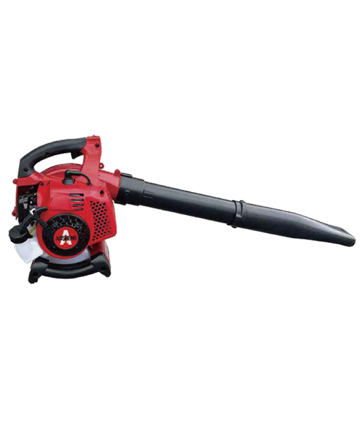
Suction and blowing Euro 5 certification Rubber-coverd handle, Strength nylon collecter.
See Details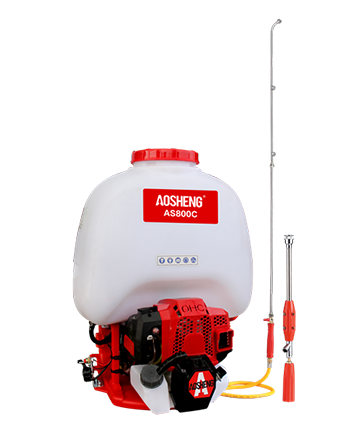
High preformence engine with high quality accessories. Copper meterial pressure pump, corrosion resistance.high atomization effect. Used in agriculture,eqidemic prevention, and disinfection.
See Details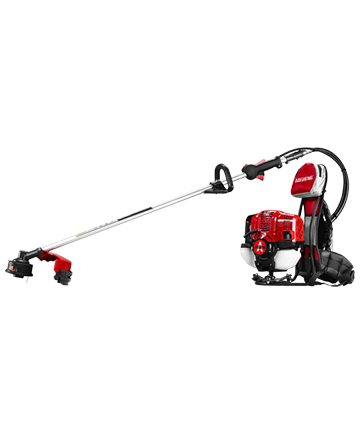
Professional engine, strength power.low consumption, easy to start.Rotating 360°Comfortable control handle and sponge belt. The trimmer head can offer a 460mm cut width. alloy blade diameter is 10 inc...
See Details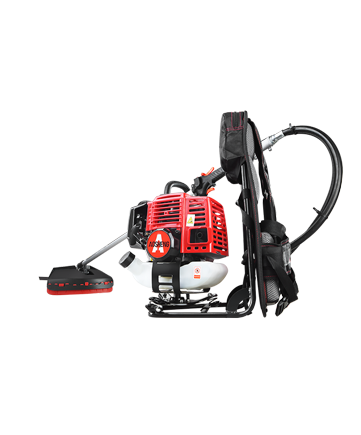
High-performance engine, displacement is 33CC.Professional use opens up wastelandTube size 26mm*1.5mm, strength flexible shaft.Cutting width is 420mmLifetime over 150hours
See Details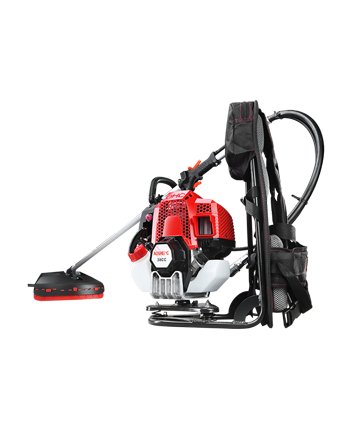
High-performance 4-stroke engine,displacement is 38CC. Professional use in the open-up wasteland Tube size 26mm*1.5mm, strength flexible shaft.Cutting width is 420mm Life time over 150hours New design...
See Details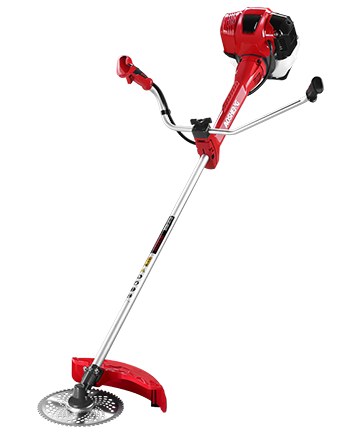
Professional engine, strength power. low consumption, easy to start.Rotating 360°The pole part uses a damper cover. The control handle can rotate 180° to decrease absorption. Rubber-covered handles ma...
See Details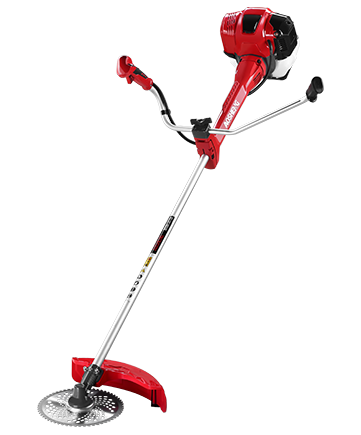
Professional engine, strength power. low consumption, easy to start. Rotating 360° The Pole part uses a damper cover. The control handle can be rotated 180° to decrease absorption. Rubber-covered hand...
See Details