

 English
 Español

news
Home / News / Industry News / What are the functions of Fruit Harvest Machine?
Home / News / Industry News / What are the functions of Fruit Harvest Machine?

Content
A fruit harvest machine is designed to automate the detachment, collection, and sorting of ripe fruit from trees or vines. Its primary functions reduce manual labor dependency by up to 80% and increase harvesting speed by 3 to 5 times compared to human pickers. The machine achieves this through vibrating mechanisms, catching systems, and onboard conveyor belts that deliver fruit directly into bins.
For example, modern citrus harvesters can collect over 1,000 pounds of oranges per minute, while a skilled worker averages only 30–40 pounds per minute. This dramatic efficiency gain is the machine’s most valuable function for commercial orchards.
Most machines use hydraulic or pneumatic shakers that clamp onto tree trunks or branches. The shaking frequency ranges from 300 to 600 cycles per minute, causing only ripe fruit to fall without damaging the tree. For apples and cherries, softer rubber rods or "beaters" are used to minimize bruising. Data shows that well-calibrated detachment systems achieve 95% removal efficiency for fruits like olives and nuts.
A large, umbrella-shaped catch frame extends around the tree, typically 15 to 25 feet in diameter. The frame is lined with padded fabric to prevent bruising. Once fruit lands on the frame, an inclined conveyor belt moves it upward into a bulk bin or a sorting area. This closed-loop system reduces fruit loss from 12% (manual ground collection) to under 2%.
Advanced models integrate optical sensors and blowers. For instance, a blueberry harvester uses a fan system to blow away leaves and twigs, while cameras sort fruit by size (diameter differences as small as 2mm). This reduces post-harvest processing time by an average of 40%.
The following table compares manual harvesting versus machine harvesting for three major fruit crops. Data is based on 2023 industry reports from the USDA and European Fruit Growers Association.
| Crop | Manual Labor Hours | Machine Hours | Fruit Bruising Rate | Cost Savings |
|---|---|---|---|---|
| Oranges | 150 | 30 | 3% vs 5% (manual) | 68% |
| Blueberries | 300 | 45 | 6% vs 9% (manual) | 73% |
| Olives | 200 | 25 | 2% (both methods) | 80% |
While powerful, fruit harvest machines have limitations. The most common issues include:
For orchards with mixed tree ages, a tractor-mounted PTO-driven shaker (cost: $20,000–$40,000) is a practical entry point, offering 60% of the efficiency of self-propelled models at 1/5 the cost.
Yes, but with modifications. A multi-crop harvester (e.g., for apples and pears) requires changing the shaker pads and catch frame padding. However, machines designed for nuts (hard shell) cannot be used for stone fruits without major risk of damage. Specialized harvesters for grapes, berries, and tree fruits are distinct due to detachment methods.
Top-tier machines achieve less than 3% total waste (unharvested + bruised + dropped fruit). Older drum-style shakers can cause up to 12% waste. The industry benchmark is the OXBO 2XT series, which reports 1.8% waste in blueberry fields.
Absolutely. In fact, organic orchards benefit more because manual labor is often scarce. The machines do not use chemicals. However, ensure the machine has easy-clean features (stainless steel surfaces, removable pads) to prevent cross-contamination between fields, which is a USDA organic requirement.
For a 100-acre apple orchard paying $2,500/acre in manual harvest labor ($250,000 total), a $200,000 machine that reduces cost to $700/acre saves $180,000 per year. ROI is achieved in 1.2 seasons. For smaller farms (20 acres), leasing or hiring a custom harvester yields ROI without capital purchase.
Follow this step-by-step decision framework to select a fruit harvest machine that matches your specific needs:
By following this guide, growers typically reduce harvest costs by 50-75% within two seasons while maintaining fruit quality standards. The data is clear: for any orchard over 30 acres, a fruit harvest machine is not a luxury—it is a competitive necessity.
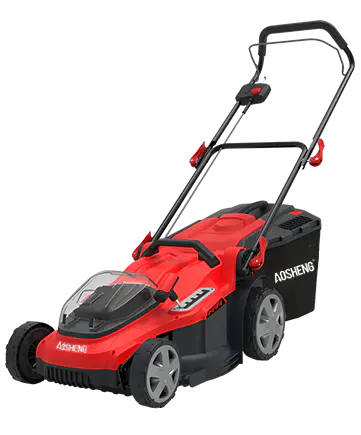
Deck Size:40CM/16INCH 3-in-1 function: Mulching, rear bagging&side discharge Easy-to-use fold-in system
See Details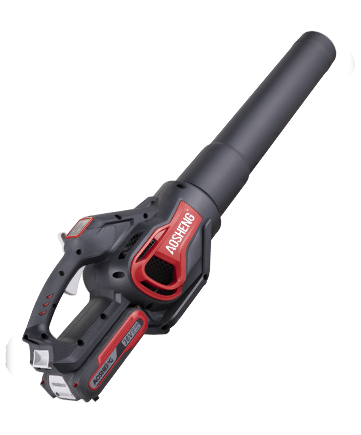
Turbine boost functionBig air volumeInstant startBackpack option for extra battery power
See Details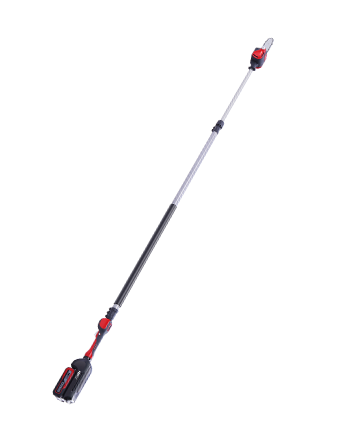
Extension height of 400cmOregon Bar & ChainTool-less chain tension systemAutomatic oiling systemBackpack option for extra battery power
See Details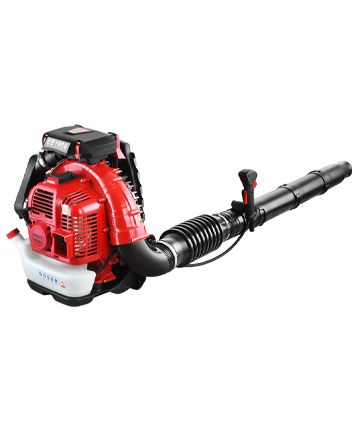
Extremely comfortable adjustable handle Large capacity fuel tank The largest air volume in China Use fire-retardant pipes to extinguish the fire Luxury widen & thicken straps Patented engine reac...
See Details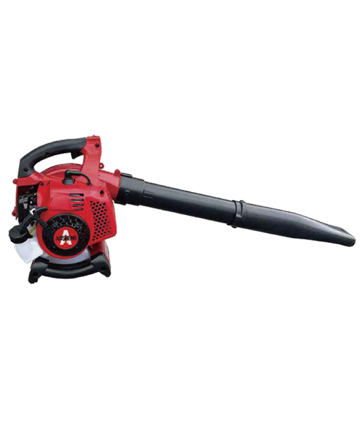
Suction and blowing Euro 5 certification Rubber-coverd handle, Strength nylon collecter.
See Details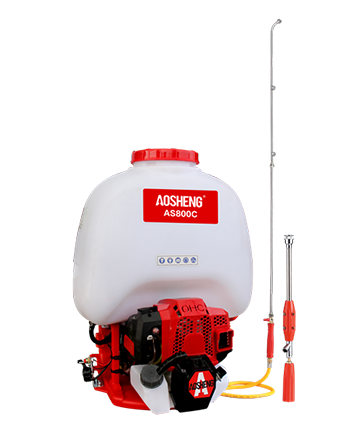
High preformence engine with high quality accessories. Copper meterial pressure pump, corrosion resistance.high atomization effect. Used in agriculture,eqidemic prevention, and disinfection.
See Details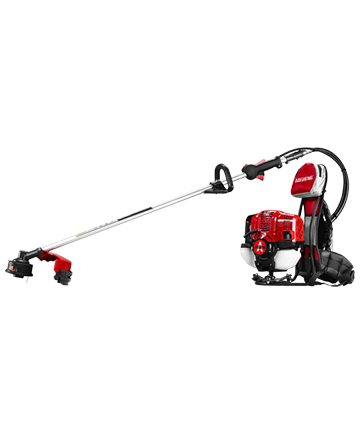
Professional engine, strength power.low consumption, easy to start.Rotating 360°Comfortable control handle and sponge belt. The trimmer head can offer a 460mm cut width. alloy blade diameter is 10 inc...
See Details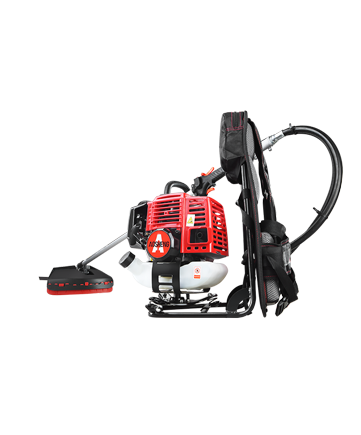
High-performance engine, displacement is 33CC.Professional use opens up wastelandTube size 26mm*1.5mm, strength flexible shaft.Cutting width is 420mmLifetime over 150hours
See Details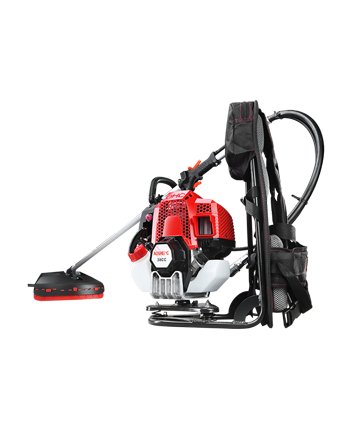
High-performance 4-stroke engine,displacement is 38CC. Professional use in the open-up wasteland Tube size 26mm*1.5mm, strength flexible shaft.Cutting width is 420mm Life time over 150hours New design...
See Details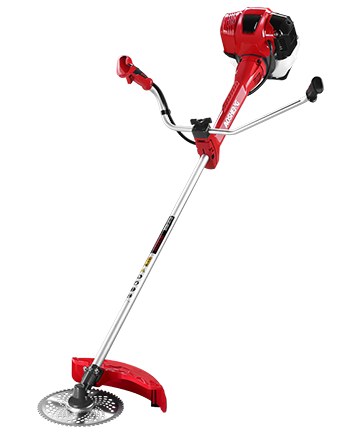
Professional engine, strength power. low consumption, easy to start.Rotating 360°The pole part uses a damper cover. The control handle can rotate 180° to decrease absorption. Rubber-covered handles ma...
See Details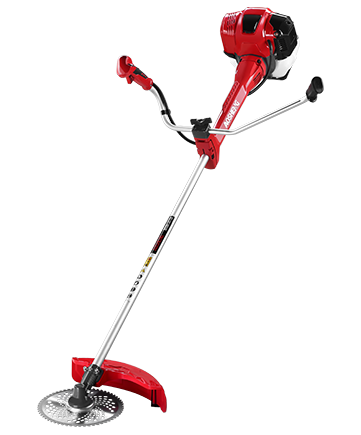
Professional engine, strength power. low consumption, easy to start. Rotating 360° The Pole part uses a damper cover. The control handle can be rotated 180° to decrease absorption. Rubber-covered hand...
See Details