

 English
 Español


news
Home / News / Industry News / What are the possible reasons why a water pump fails to start?
Home / News / Industry News / What are the possible reasons why a water pump fails to start?

Content
Direct conclusion: The most common cause is a lack of electrical power reaching the motor. Before inspecting mechanical parts, always verify power supply continuity, control signals, and capacitor health (for single-phase motors).
Beyond the obvious power outage, a pump may fail to start due to several specific faults. These can be categorized into electrical and mechanical issues.
Data point: In a study of 500 residential pump failures, 68% were traced to electrical supply or control issues, while only 22% were mechanical seizures. Always start your diagnosis with a multimeter at the pump's terminal block.
Immediate action: Do NOT repeatedly reset the breaker. A pump that trips immediately on startup indicates a direct short to ground or a locked rotor condition. Reset the breaker once, observe if it trips instantly (within 1 second) or after a 2-3 second delay.
Example: A 0.75 kW (1 HP) single-phase pump draws 8-10A running. Startup inrush current is 40-60A for 0.1 seconds. A C-curve breaker handles this; a B-curve may trip. Upgrade to a C-curve if pump runs fine after starting but trips occasionally.
Critical conclusion: Phase loss (single-phasing) will burn out the motor windings within minutes, often in less than 2 minutes under full load. The pump may continue running but with severe overheating, increased noise, and eventual smoke emission.
When one of the three supply lines opens (due to a blown fuse, loose connection, or failed contactor), the motor operates on two phases. The current in the remaining phases rises to 150-200% of rated full-load amperage. This overheats the windings rapidly.
| Load condition | Current in remaining phases | Time to winding damage | Observable symptom |
|---|---|---|---|
| Full load (100%) | ~175% of rated | < 2 minutes | Loud humming, vibration |
| Light load (30-50%) | ~120-150% of rated | 10-30 minutes | Unusual noise, slower startup |
Prevention: Install a phase loss protection relay (also called phase failure relay). These devices disconnect power within 0.2 seconds of detecting an open phase. Cost is $30-80 – far cheaper than motor rewinding ($300-800 for a 5 HP motor).
Direct answer: Overheating from electrical or mechanical overload causes 85% of motor burnouts. The remaining 15% are from moisture ingress, voltage imbalance, or failed bearings.
Below is a breakdown of the primary failure mechanisms with typical percentages from industrial pump repair data (source: 2023 motor repair survey, 1,200 units).
| Cause category | Specific failure | Approx. percentage |
|---|---|---|
| Electrical overload | Pump running against closed valve, dry running | 38% |
| Voltage issues | Phase loss (single-phasing), voltage imbalance >5% | 27% |
| Insulation failure | Moisture, chemical attack, or overheating | 19% |
| Mechanical | Bearing seizure, impeller rubbing | 16% |
Example: A pump running with a discharge valve fully closed can reach 140% of rated current. At 140% load, motor insulation rated for Class B (130°C) will degrade twice as fast – failure occurs in 200 hours instead of 40,000 hours. Always install a thermal overload relay set to 115% of motor nameplate full-load amperage.
Step-by-step conclusion: Always start at the source and move toward the pump. Use a digital multimeter (DMM) and follow a systematic voltage and continuity check.
Measure voltage at the breaker terminals. For a 230V pump, acceptable range is 207-253V (nominal ±10%). If voltage is below 207V, contact utility – pump starting torque drops by 19% at 90% voltage.
While attempting to start, measure voltage at pump terminals. If voltage drops below 80% of nominal (e.g., 184V on a 230V system), the cable is undersized or there is a poor connection. For a 1 HP pump at 100 ft distance, use minimum 12 AWG wire. 14 AWG would cause a 12% drop and prevent starting.
Use this quick reference for 230V single-phase pumps (copper wire, 3% max drop):
| Motor HP | Full load amps | Up to 100 ft | 100-200 ft | 200-300 ft |
|---|---|---|---|---|
| 0.5 HP | 4.5 A | 14 AWG | 12 AWG | 10 AWG |
| 1.0 HP | 8.0 A | 12 AWG | 10 AWG | 8 AWG |
| 2.0 HP | 12.0 A | 10 AWG | 8 AWG | 6 AWG |
If all voltage checks pass but the pump does not run, disconnect power and measure winding resistance. An open circuit (infinite ohms) indicates a broken internal thermal protector or burnt winding – motor replacement required.
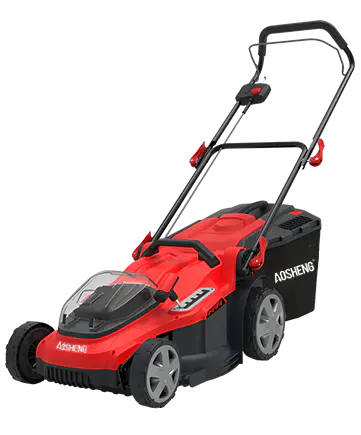
Deck Size:40CM/16INCH 3-in-1 function: Mulching, rear bagging&side discharge Easy-to-use fold-in system
See Details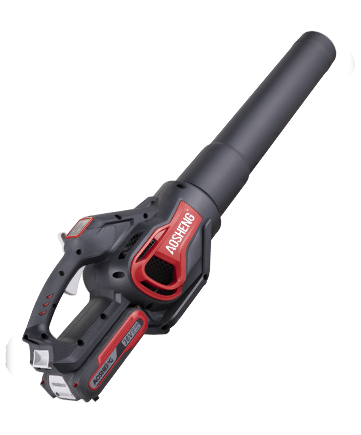
Turbine boost functionBig air volumeInstant startBackpack option for extra battery power
See Details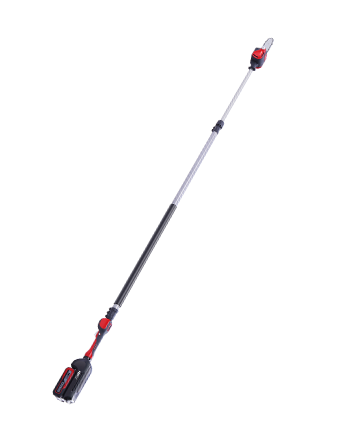
Extension height of 400cmOregon Bar & ChainTool-less chain tension systemAutomatic oiling systemBackpack option for extra battery power
See Details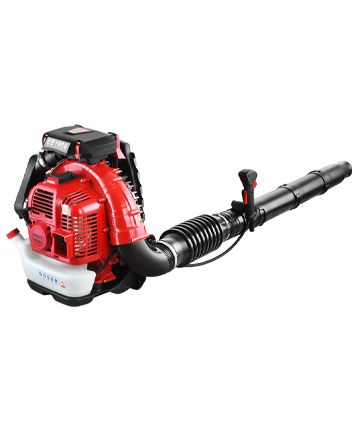
Extremely comfortable adjustable handle Large capacity fuel tank The largest air volume in China Use fire-retardant pipes to extinguish the fire Luxury widen & thicken straps Patented engine reac...
See Details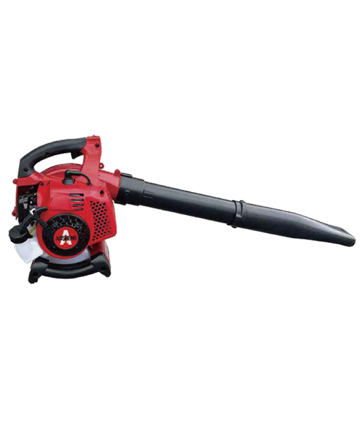
Suction and blowing Euro 5 certification Rubber-coverd handle, Strength nylon collecter.
See Details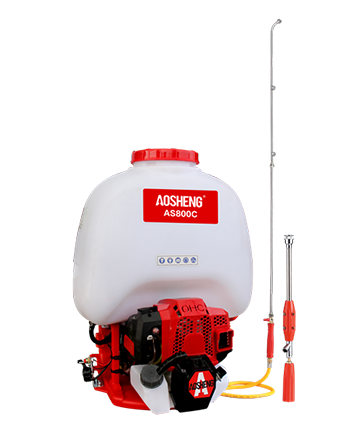
High preformence engine with high quality accessories. Copper meterial pressure pump, corrosion resistance.high atomization effect. Used in agriculture,eqidemic prevention, and disinfection.
See Details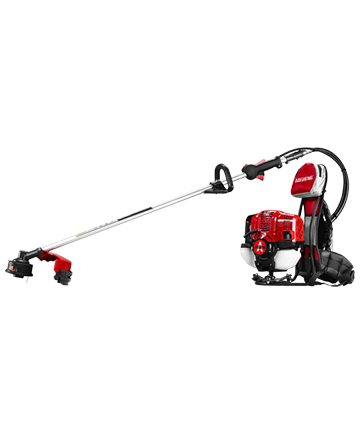
Professional engine, strength power.low consumption, easy to start.Rotating 360°Comfortable control handle and sponge belt. The trimmer head can offer a 460mm cut width. alloy blade diameter is 10 inc...
See Details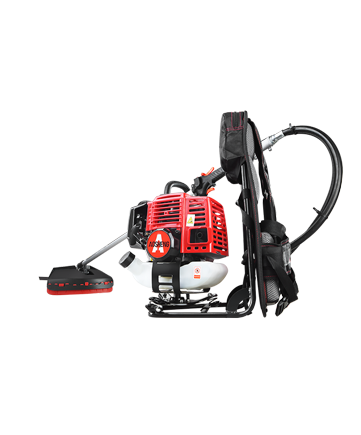
High-performance engine, displacement is 33CC.Professional use opens up wastelandTube size 26mm*1.5mm, strength flexible shaft.Cutting width is 420mmLifetime over 150hours
See Details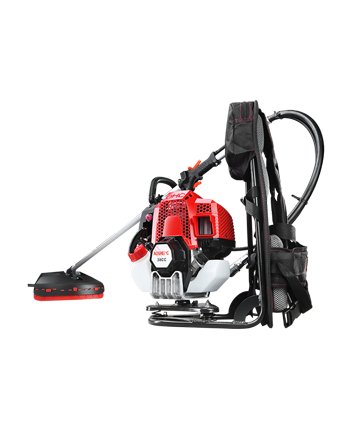
High-performance 4-stroke engine,displacement is 38CC. Professional use in the open-up wasteland Tube size 26mm*1.5mm, strength flexible shaft.Cutting width is 420mm Life time over 150hours New design...
See Details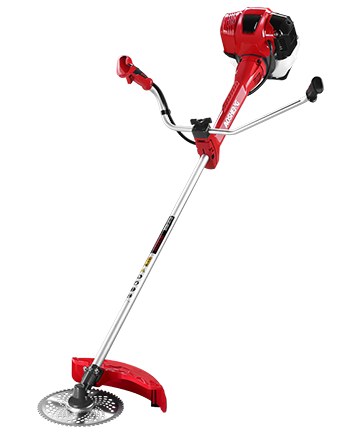
Professional engine, strength power. low consumption, easy to start.Rotating 360°The pole part uses a damper cover. The control handle can rotate 180° to decrease absorption. Rubber-covered handles ma...
See Details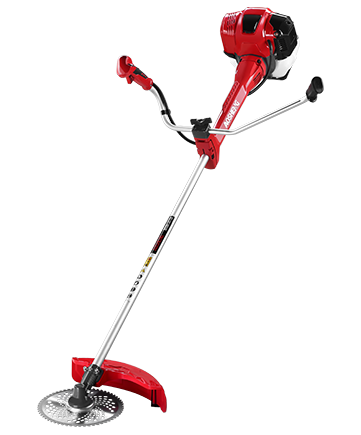
Professional engine, strength power. low consumption, easy to start. Rotating 360° The Pole part uses a damper cover. The control handle can be rotated 180° to decrease absorption. Rubber-covered hand...
See Details