

 English
 Español


news
Home / News / Industry News / What Is a Gasoline Water Pump?

Content
A gasoline water pump is a portable, self-contained pumping unit in which a small gasoline engine drives an impeller to draw water in through a suction hose and push it out through a discharge hose. Unlike an electric pump, it does not need a power outlet or generator to run, which is the single reason most buyers choose one: it can be carried to a field, a flooded basement, a construction pit, or a riverbank and started within seconds. In short, a gasoline water pump is a fuel-powered, engine-driven pumping machine built for moving water where electricity is not available or not practical.
The core assembly of a typical gasoline powered water pump includes four parts: the gasoline engine (usually a single-cylinder, air-cooled 2-stroke or 4-stroke unit), the pump housing with an impeller, an inlet port with a suction hose and strainer, and an outlet port connected to a discharge hose. Turning the throttle and pulling the recoil starter is normally all that is required to bring the unit into full operation, which is why this equipment is described as simple to operate and quick to deploy.
The gasoline engine converts fuel combustion into rotational force at the crankshaft, which is directly coupled to the pump's impeller shaft. As the impeller spins inside the pump housing, it creates a low-pressure zone at the inlet, drawing water up through the suction hose. Centrifugal force then throws the water outward into the volute casing, building pressure that pushes the water out through the discharge hose. This is the same working principle used by most gasoline water pump models on the market, whether they are used for irrigation, drainage, or firefighting support.
Most gasoline water pumps sold today are self-priming, meaning the pump can evacuate air from the suction line on its own once a small amount of water is added to the pump body before start-up. This is an important distinction because a self-priming pump can be positioned above the water source, while a non self-priming pump generally needs to be flooded or installed at or below the water level to begin pumping.
Gasoline water pumps are generally grouped by the type of water they are designed to move and by their outlet size. Choosing the wrong type is one of the most common mistakes buyers make, so understanding the categories below helps match the pump to the actual job.
| Pump Type | Typical Outlet Size | Best Suited For |
|---|---|---|
| Clean water pump | 1 - 2 inch | Irrigation, garden watering, tank filling |
| Semi-trash pump | 2 - 3 inch | Pond cleaning, mild flood drainage |
| Trash pump | 3 - 4 inch | Construction site dewatering, flood response |
| High-pressure pump | 1 - 1.5 inch | Firefighting support, orchard spraying |
Buyers frequently compare a gasoline-powered unit against an electric or diesel alternative before deciding. The table below summarizes the practical trade-offs that matter most in the field.
| Factor | Gasoline Water Pump | Electric Water Pump |
|---|---|---|
| Power source | Gasoline, no grid needed | Requires mains power or generator |
| Portability | High, carry anywhere | Limited by cable length |
| Best environment | Remote sites, emergencies, outdoor jobs | Fixed installations with stable power |
| Running noise | Higher | Lower |
Not every gasoline water pump is built the same, and matching specifications to the job avoids both under-buying and overpaying. The following factors should be reviewed on any product datasheet before placing an order.
Because a gasoline powered water pump does not depend on an electrical connection, it is used across a wide range of industries wherever water needs to be moved on demand.
Farmers rely on gasoline water pumps to draw water from rivers, ponds, or wells and deliver it across large areas of farmland, especially in regions where fixed electrical infrastructure has not reached the field.
On construction sites, trash-type gasoline water pumps are used to clear standing water from foundations, trenches, and basements so that work can proceed safely and on schedule.
During floods or firefighting operations, a gasoline water pump can be transported directly to the affected area and started immediately, making it a standard tool in emergency response kits.
Homeowners use smaller gasoline water pumps for garden watering, pool draining, and clearing water from yards after heavy rainfall, valuing the convenience of a cordless, engine-driven tool.
Routine maintenance is what separates a pump that lasts for years from one that fails after a single season. The following practices keep a gasoline water pump running reliably.
Since a gasoline water pump is often relied upon in urgent situations such as flooding or irrigation deadlines, the quality of the manufacturer matters as much as the specifications on paper. Buyers should look for suppliers with an established production history, in-house research and development, and a broad enough product line to match different flow rates, head heights, and solids-handling needs.
NINGBO AOSHENG MACHINE CO., LTD. is one such manufacturer, producing gasoline engine garden tools including a dedicated range of gasoline water pump models such as self-priming pumps, small air pumps, and both two-stroke and four-stroke units in multiple outlet sizes. With an independent research and development team, quality control processes, and a large-scale manufacturing base, the company supplies pumps designed for agricultural irrigation, construction dewatering, and emergency drainage, alongside its wider catalog of gasoline and lithium battery garden tools.
In summary, a gasoline water pump is a practical, self-powered solution for anyone who needs to move water without depending on an electrical connection. Understanding the pump type, key specifications, and maintenance routine helps buyers select the right unit and keep it working reliably season after season.
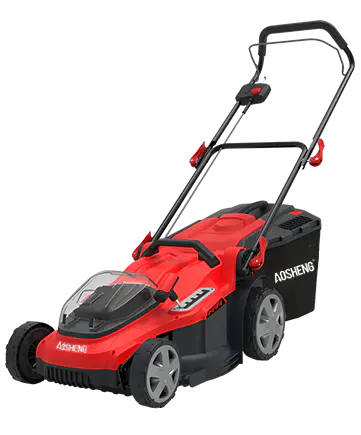
Deck Size:40CM/16INCH 3-in-1 function: Mulching, rear bagging&side discharge Easy-to-use fold-in system
See Details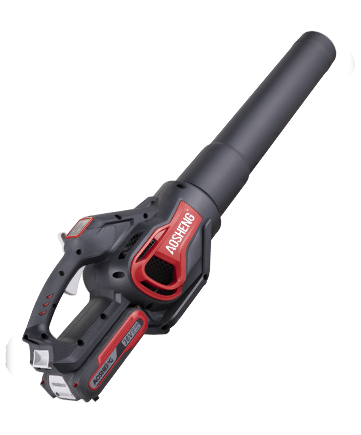
Turbine boost functionBig air volumeInstant startBackpack option for extra battery power
See Details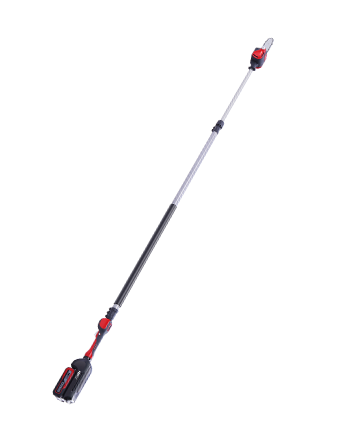
Extension height of 400cmOregon Bar & ChainTool-less chain tension systemAutomatic oiling systemBackpack option for extra battery power
See Details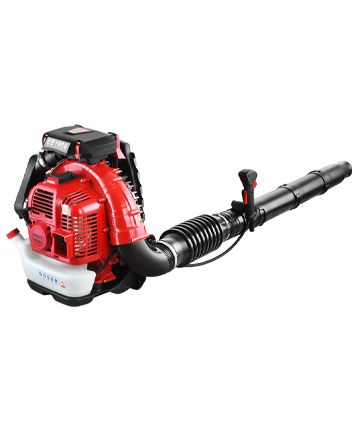
Extremely comfortable adjustable handle Large capacity fuel tank The largest air volume in China Use fire-retardant pipes to extinguish the fire Luxury widen & thicken straps Patented engine reac...
See Details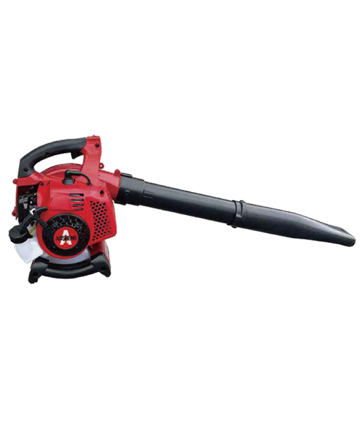
Suction and blowing Euro 5 certification Rubber-coverd handle, Strength nylon collecter.
See Details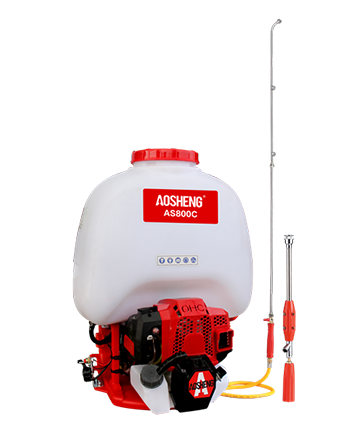
High preformence engine with high quality accessories. Copper meterial pressure pump, corrosion resistance.high atomization effect. Used in agriculture,eqidemic prevention, and disinfection.
See Details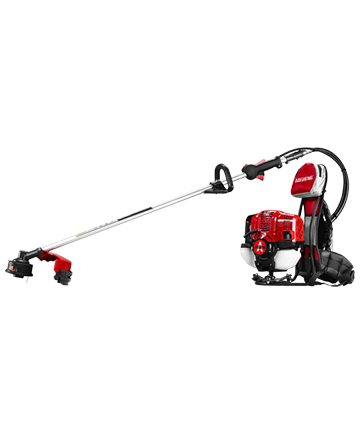
Professional engine, strength power.low consumption, easy to start.Rotating 360°Comfortable control handle and sponge belt. The trimmer head can offer a 460mm cut width. alloy blade diameter is 10 inc...
See Details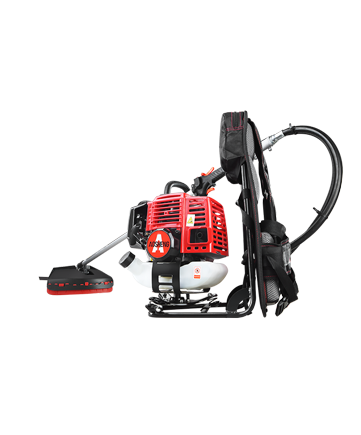
High-performance engine, displacement is 33CC.Professional use opens up wastelandTube size 26mm*1.5mm, strength flexible shaft.Cutting width is 420mmLifetime over 150hours
See Details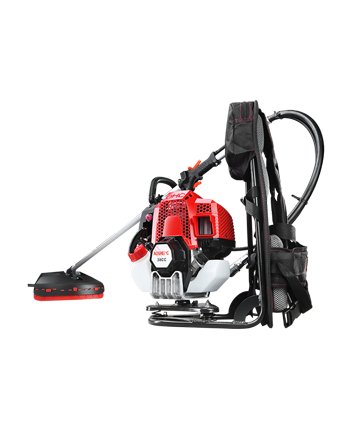
High-performance 4-stroke engine,displacement is 38CC. Professional use in the open-up wasteland Tube size 26mm*1.5mm, strength flexible shaft.Cutting width is 420mm Life time over 150hours New design...
See Details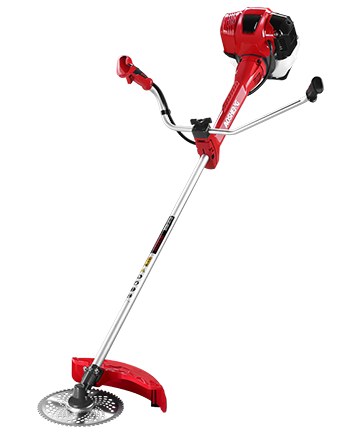
Professional engine, strength power. low consumption, easy to start.Rotating 360°The pole part uses a damper cover. The control handle can rotate 180° to decrease absorption. Rubber-covered handles ma...
See Details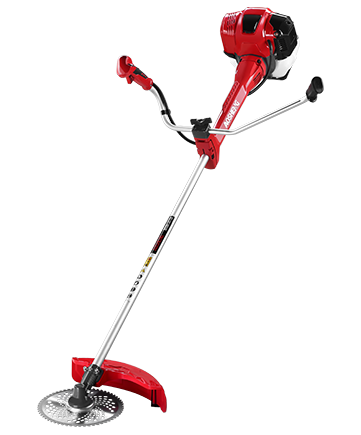
Professional engine, strength power. low consumption, easy to start. Rotating 360° The Pole part uses a damper cover. The control handle can be rotated 180° to decrease absorption. Rubber-covered hand...
See Details