

 English
 Español

news
Home / News / Industry News / What is the best pole saw for home use?
Home / News / Industry News / What is the best pole saw for home use?

Content
Quick Answer: For most homeowners, a cordless Lithium Pole Saw in the 40V class with an 8-12 inch bar is the best pole saw for home use. It offers enough cutting power for branches up to 6 inches thick, starts instantly without mixed fuel, and stays light enough to hold overhead for extended pruning sessions — advantages that matter more for occasional home use than the raw power of a gasoline pole saw.
A Pole Saw is designed to reach branches that are too high or too awkward to cut safely from a ladder. For homeowners, the priority is usually different from that of a professional tree crew: instead of maximizing raw torque, home users need a tool that is easy to start, comfortable to hold overhead, and safe to operate without specialized training.
This is where a Lithium Pole Saw tends to outperform a gas-powered unit for residential yards. Battery-powered models start with the pull of a trigger, produce far less vibration, and eliminate the need to store and mix gasoline — a meaningful convenience for a tool that might only come out a few times a season. The absence of exhaust fumes also makes battery models more pleasant to use in enclosed backyards close to neighboring homes.
Beyond convenience, a home-focused pole saw should also be easy to store. Most cordless models fold down or detach the pole section into two or three pieces, allowing them to fit in a garage corner or wall rack without taking up significant space year-round.
Both power types can get the job done, but they suit different situations. The comparison below highlights where each option tends to make more sense for a home property.
| Factor | Lithium Pole Saw | Gas Pole Saw |
|---|---|---|
| Startup | Instant, trigger start | Pull-cord, may need priming |
| Weight | Lighter overhead handling | Heavier due to engine and fuel |
| Noise Level | Noticeably quieter operation | Louder engine noise, often requiring hearing protection |
| Maintenance | Minimal, no fuel mixing | Regular carburetor and fuel upkeep |
| Best suited for | Occasional home pruning | Large properties, frequent heavy cutting |
For a homeowner who prunes fruit trees, trims hedges along a fence line, or clears the occasional storm-damaged branch a few times a year, the reduced maintenance and quieter operation of a lithium model usually outweigh the slightly longer runtime a gas unit can offer on very large properties.
Not all cordless pole saws share the same design. Understanding the common configurations helps match the tool to the specific tasks around a home property.
These models extend from a compact carrying length to several feet of additional reach, making them the most versatile option for homeowners who need to handle both mid-height shrubs and taller tree limbs with the same tool.
Many lithium platforms allow the cutting head to detach from the pole and be used as a standalone handheld chainsaw, offering added flexibility for tasks like cutting fallen branches into firewood-sized pieces.
Simpler and often lighter than telescoping models, fixed-length pole saws are a good fit for homeowners who consistently work at a similar height, such as trimming a single row of ornamental trees.
Not all pole saws are built the same, and the right specification can make overhead work far easier and safer.
An 8-12 inch bar paired with a telescoping pole that extends to roughly 8-10 feet is generally enough to cover most home tree canopies without a ladder.
A 36V-40V lithium battery platform typically provides enough runtime for a full round of seasonal pruning on a standard residential lot, with charging times that fit easily between yard tasks.
Since the saw is held overhead for extended periods, total weight and balance matter more than top-end power. A unit under 4.5 kg with the battery positioned closer to the handle is generally more manageable for non-professional users.
An automatic oiling system keeps the chain lubricated during use without requiring the operator to stop and manually apply oil, which is especially useful when working overhead where accessing the bar mid-cut is inconvenient.
Look for a chain brake, low-kickback bar design, and a blade guard that covers the chain during transport and storage, all of which reduce the risk of accidental contact.
Consistent, simple maintenance keeps a lithium pole saw performing reliably season after season.
A pole saw is built for pruning and trimming branches typically under 6-8 inches in diameter. For larger limbs, whole tree removal, or cuts near power lines, a full-size chainsaw operated at ground level — or a professional tree service — is the safer and more appropriate choice. Attempting to force a pole saw beyond its rated cutting capacity can strain the motor, dull the chain quickly, and increase the risk of the bar binding mid-cut.
Because a pole saw is used overhead, build quality and battery consistency directly affect both performance and user safety. NINGBO AOSHENG MACHINE CO., LTD., a Sino-foreign joint venture based in Zhejiang, China, has developed a lithium battery charging platform designed to match the cutting power of gasoline equipment while keeping noise and vibration low. Its Lithium Pole Saw lineup, including 40V models with 10-12 inch bars, is built with quality control processes intended for consistent performance across residential and light commercial use, giving homeowners a dependable option backed by an established garden tool manufacturer.
For most residential yards, a 40V Lithium Pole Saw with an 8-12 inch bar strikes the best balance between cutting power, weight, and ease of use, without the maintenance demands of a gas engine.
Most 40V lithium pole saws can comfortably cut branches up to about 6 inches in diameter, which covers the majority of routine home pruning needs.
Modern 40V lithium platforms are engineered to approach the cutting output of small gasoline engines, making them suitable for typical home tree maintenance rather than only light trimming.
Wipe down the bar and chain after each use, keep the chain properly tensioned and lubricated, and store the battery partially charged in a cool, dry location to preserve its lifespan.
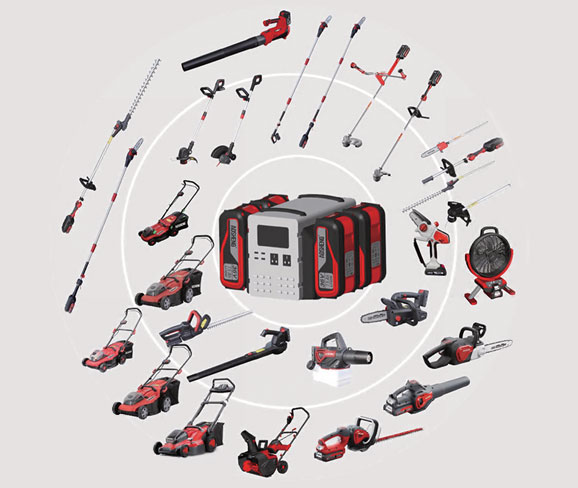
Many lithium garden tool platforms are designed so a single battery works across pole saws, trimmers, and blowers from the same product line, which can reduce overall cost for homeowners building out a full battery-powered yard toolkit.
Runtime varies by battery capacity and cutting conditions, but a fully charged 36V-40V battery generally supports enough continuous cutting for a standard home pruning session before needing a recharge.
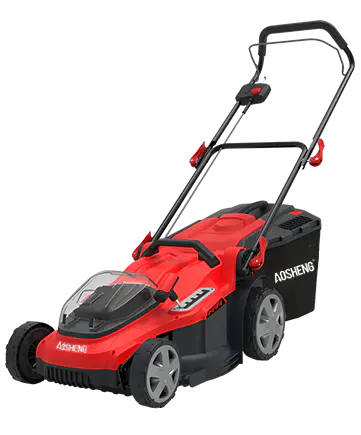
Deck Size:40CM/16INCH 3-in-1 function: Mulching, rear bagging&side discharge Easy-to-use fold-in system
See Details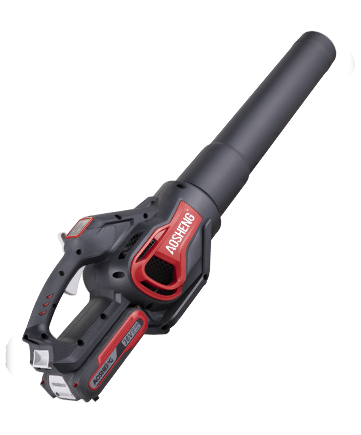
Turbine boost functionBig air volumeInstant startBackpack option for extra battery power
See Details
Extension height of 400cmOregon Bar & ChainTool-less chain tension systemAutomatic oiling systemBackpack option for extra battery power
See Details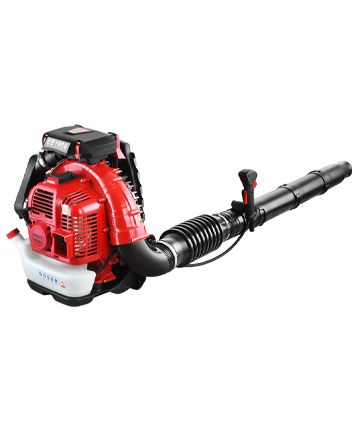
Extremely comfortable adjustable handle Large capacity fuel tank The largest air volume in China Use fire-retardant pipes to extinguish the fire Luxury widen & thicken straps Patented engine reac...
See Details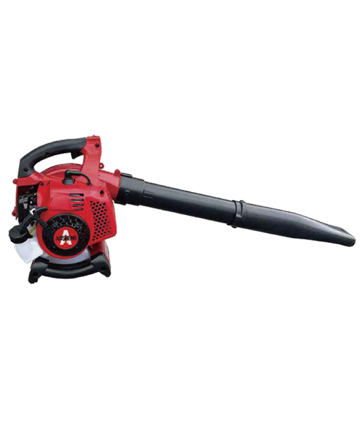
Suction and blowing Euro 5 certification Rubber-coverd handle, Strength nylon collecter.
See Details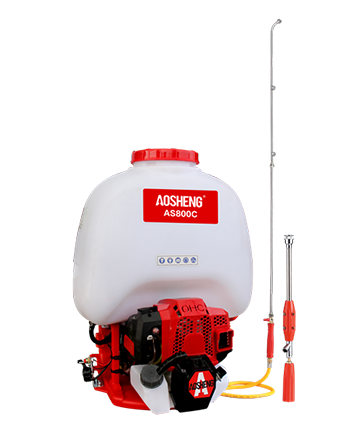
High preformence engine with high quality accessories. Copper meterial pressure pump, corrosion resistance.high atomization effect. Used in agriculture,eqidemic prevention, and disinfection.
See Details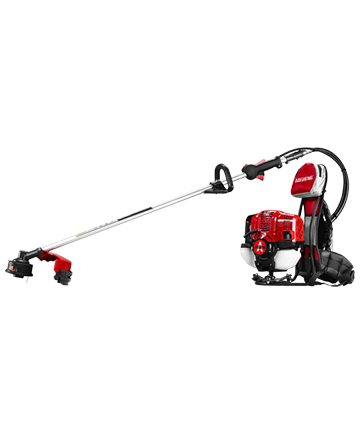
Professional engine, strength power.low consumption, easy to start.Rotating 360°Comfortable control handle and sponge belt. The trimmer head can offer a 460mm cut width. alloy blade diameter is 10 inc...
See Details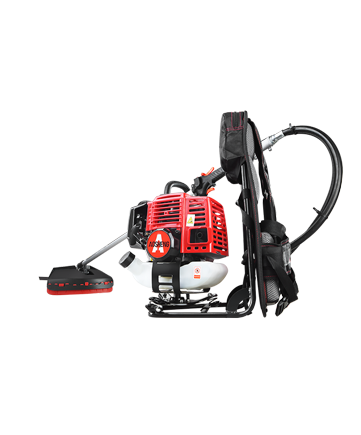
High-performance engine, displacement is 33CC.Professional use opens up wastelandTube size 26mm*1.5mm, strength flexible shaft.Cutting width is 420mmLifetime over 150hours
See Details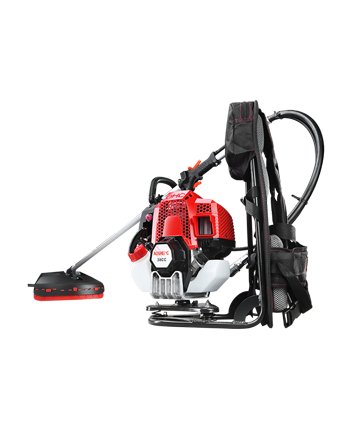
High-performance 4-stroke engine,displacement is 38CC. Professional use in the open-up wasteland Tube size 26mm*1.5mm, strength flexible shaft.Cutting width is 420mm Life time over 150hours New design...
See Details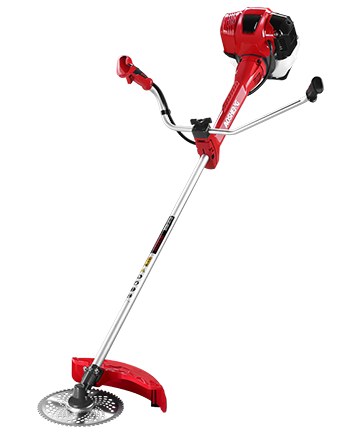
Professional engine, strength power. low consumption, easy to start.Rotating 360°The pole part uses a damper cover. The control handle can rotate 180° to decrease absorption. Rubber-covered handles ma...
See Details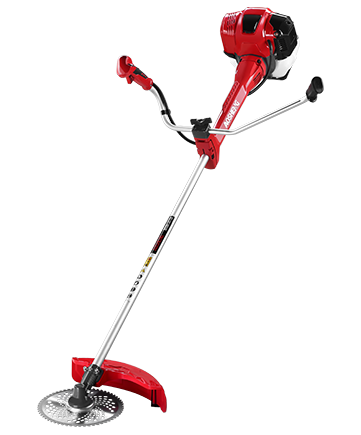
Professional engine, strength power. low consumption, easy to start. Rotating 360° The Pole part uses a damper cover. The control handle can be rotated 180° to decrease absorption. Rubber-covered hand...
See Details