

 English
 Español

news
Home / News / Industry News / What is the function of a drilling machine?
Home / News / Industry News / What is the function of a drilling machine?

Content
The direct and unequivocal function of a drilling machine is to create precise, cylindrical holes in a workpiece. It achieves this by rotating a cutting tool (the drill bit) and applying axial force to penetrate the material. While this is its core purpose, modern drilling machines are versatile enough to perform related operations such as tapping threads, countersinking, counterboring, and reaming existing holes to improve accuracy.
To perform its function, a drilling machine relies on a precise combination of mechanical parts. Understanding these components helps in selecting the right machine for the task.
The scale and precision of the drilling function vary dramatically based on the machine type. Choosing the right one is essential for efficiency and safety.
| Machine Type | Typical Capacity (Diameter) | Primary Use Case |
|---|---|---|
| Portable Hand Drill | Up to 10 mm (3/8") | General assembly, woodworking, small repairs. |
| Bench Drill | Up to 16 mm (5/8") | Workshops requiring moderate precision in wood and light metals. |
| Floor (Pillar) Drill | Up to 25 mm (1") | Heavy-duty work, machining steel, and larger fabrication. |
| Radial Arm Drill | Up to 50 mm (2") or more | Machining very large, heavy workpieces in industrial settings. |
Always secure the workpiece with a clamp or vise. Data from manufacturing safety reports indicates that over 40% of workshop injuries involving drill presses are caused by the workpiece spinning out of the operator's hand, leading to severe lacerations. Never hold the workpiece by hand.
Speed is critical. As a rule of thumb, the larger the bit diameter, the slower the required speed (RPM). For a 1mm bit in steel, speeds of 10,000-15,000 RPM may be needed. For a 25mm bit in steel, speeds should be reduced to below 500 RPM. Using the wrong speed generates excessive heat, which is the primary cause of 80% of drill bit failures.
This is often due to spindle runout or a bent drill bit. However, a common cause is incorrect technique, specifically not using a center punch. Starting a drill without a pilot dimple allows the bit to "walk," which can cause the hole to be off-target by 1-2mm or more.
Yes, but with caution. Only use a machine with a sensitive feed or a special tapping attachment. Attempting to tap with a standard rigid drilling machine without such a feature will almost certainly break the tap, as the machine cannot stop instantly and reverse perfectly in sync with the thread pitch.
In industrial contexts, the drilling machine's function extends to several precision operations using specialized tools:
The principles of drilling are applied universally, including in the manufacturing of garden equipment. For example, a company like Ningbo Aosheng Machinery Co. Ltd., a Sino-foreign joint venture specializing in garden machinery and small engines, relies heavily on precision drilling operations. To produce a single unit, such as a chainsaw or a brush cutter, the manufacturing process involves hundreds of precise drilling operations on engine blocks, crankcases, and handles.
With an annual production capacity of 60,000 units and a facility housing over 1,000 machining centers and CNC machines, the accuracy and speed of their drilling operations are paramount. When they evolved to produce lithium battery-powered tools, the drilling requirements for lightweight aluminum housings versus traditional gasoline engine cast-iron cylinders changed, showcasing how the fundamental function of drilling adapts to new materials and green technology goals. This demonstrates that whether in a home workshop or a 70,000 square meter factory, the core function of creating precise holes remains the same, driving innovation in tools and techniques.
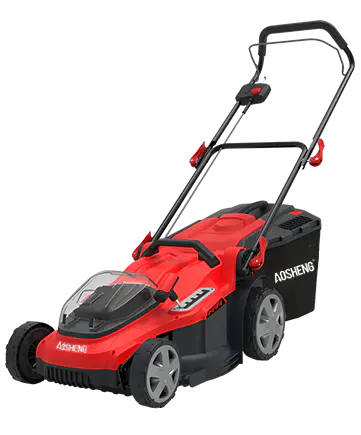
Deck Size:40CM/16INCH 3-in-1 function: Mulching, rear bagging&side discharge Easy-to-use fold-in system
See Details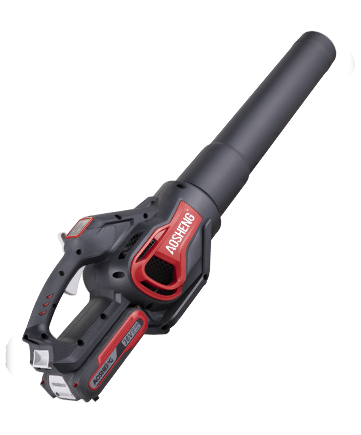
Turbine boost functionBig air volumeInstant startBackpack option for extra battery power
See Details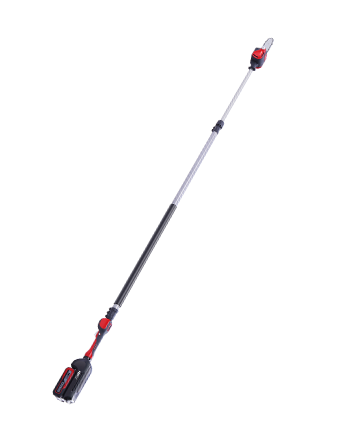
Extension height of 400cmOregon Bar & ChainTool-less chain tension systemAutomatic oiling systemBackpack option for extra battery power
See Details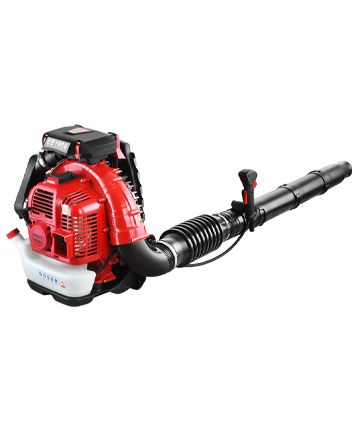
Extremely comfortable adjustable handle Large capacity fuel tank The largest air volume in China Use fire-retardant pipes to extinguish the fire Luxury widen & thicken straps Patented engine reac...
See Details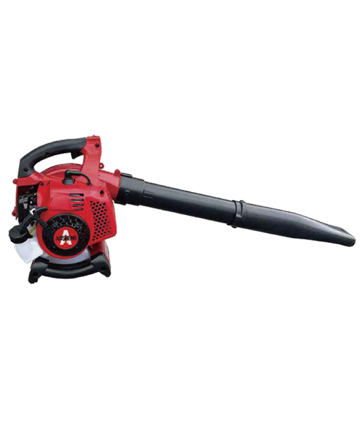
Suction and blowing Euro 5 certification Rubber-coverd handle, Strength nylon collecter.
See Details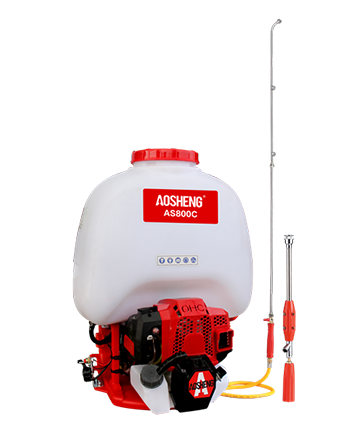
High preformence engine with high quality accessories. Copper meterial pressure pump, corrosion resistance.high atomization effect. Used in agriculture,eqidemic prevention, and disinfection.
See Details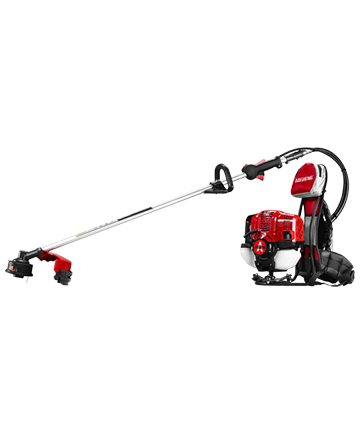
Professional engine, strength power.low consumption, easy to start.Rotating 360°Comfortable control handle and sponge belt. The trimmer head can offer a 460mm cut width. alloy blade diameter is 10 inc...
See Details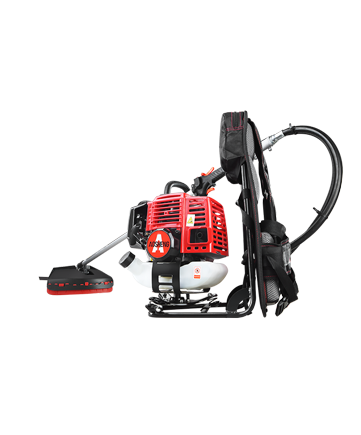
High-performance engine, displacement is 33CC.Professional use opens up wastelandTube size 26mm*1.5mm, strength flexible shaft.Cutting width is 420mmLifetime over 150hours
See Details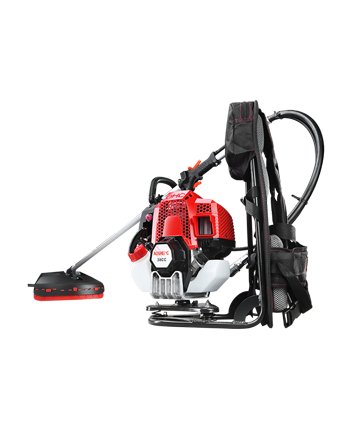
High-performance 4-stroke engine,displacement is 38CC. Professional use in the open-up wasteland Tube size 26mm*1.5mm, strength flexible shaft.Cutting width is 420mm Life time over 150hours New design...
See Details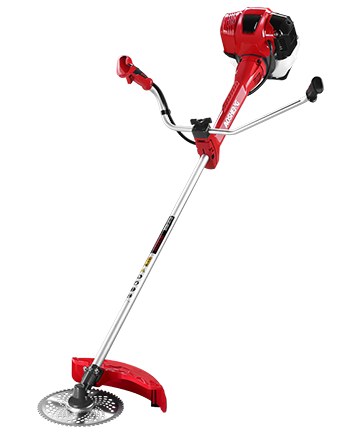
Professional engine, strength power. low consumption, easy to start.Rotating 360°The pole part uses a damper cover. The control handle can rotate 180° to decrease absorption. Rubber-covered handles ma...
See Details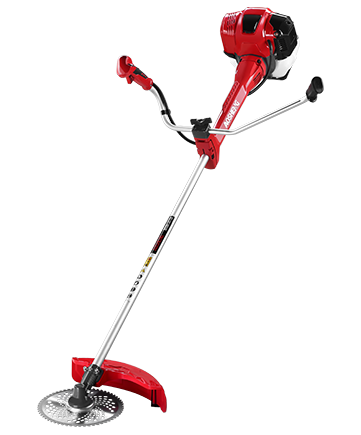
Professional engine, strength power. low consumption, easy to start. Rotating 360° The Pole part uses a damper cover. The control handle can be rotated 180° to decrease absorption. Rubber-covered hand...
See Details