

 English
 Español

news
Home / News / Industry News / What's the difference between a hedge cutter and a hedge trimmer?
Home / News / Industry News / What's the difference between a hedge cutter and a hedge trimmer?

Content
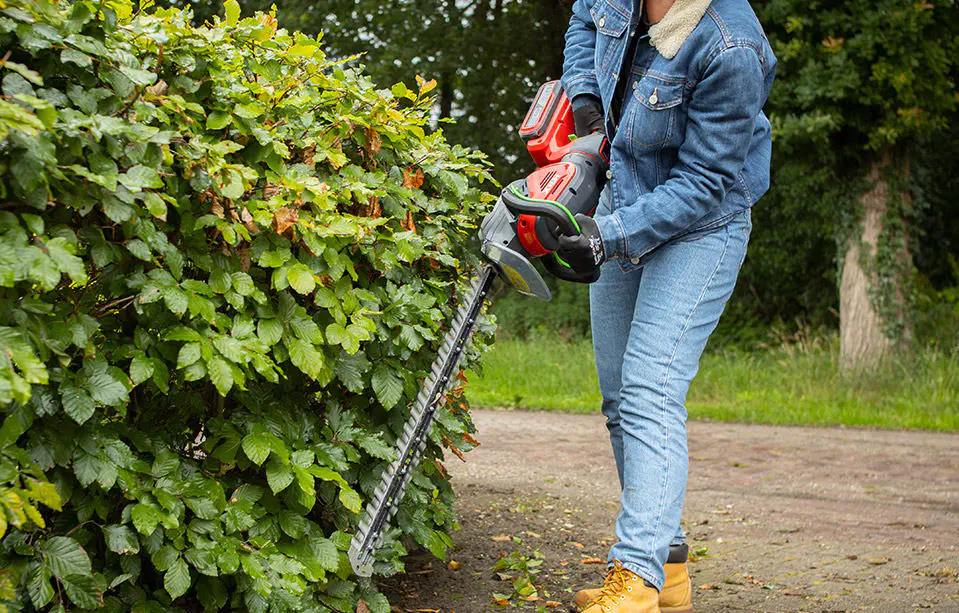
In almost every practical sense, a hedge cutter and a hedge trimmer are the same tool. Both describe a handheld power tool with a reciprocating double-sided blade used to shape hedges, shrubs, and topiary. The difference is mostly regional and contextual rather than mechanical: "hedge trimmer" is the more common term in North America and in most manufacturer product listings, while "hedge cutter" is used more often in the UK, Europe, and Australia to describe the same category of tool.
Where a real distinction does sometimes appear is in duty class. Some manufacturers and landscaping professionals use "hedge cutter" specifically for heavier-duty, longer-blade equipment intended for thick commercial hedging, while reserving "hedge trimmer" for lighter, homeowner-grade tools with shorter blades. This is not a universal rule, but it is common enough that shoppers should check the specification sheet — blade length, cutting capacity, and motor power — rather than relying on the product name alone.
Garden tool naming conventions were never standardized globally, which is why the same product can appear under two different names depending on where it is sold. A hedge trimmer listed on a North American retail site and a hedge cutter listed on a European one frequently share an identical blade mechanism, motor type, and safety design.
Because of this overlap, the most reliable way to compare two products is to look past the name and examine the actual cutting specifications, since a "cutter" from one brand may be lighter-duty than a "trimmer" from another.
While the name rarely tells the full story, there are genuine engineering differences across the broader hedge trimmer category that directly affect performance. These differences typically fall along three lines: blade length, tooth spacing, and power source.
Compact hedge trimmers generally use blades in the 18 to 22 inch range, suited to small to medium residential hedges. Larger models extend to 24 to 30 inches, reducing the number of passes needed across long hedge rows and making them better suited to commercial or estate-scale properties.
Tooth gap size determines the maximum branch diameter a tool can cut cleanly. Fine-tooth blades with roughly 10mm spacing are designed for soft new growth and detailed shaping, while wide-tooth blades with 20mm or larger spacing are built to cut through thicker, woodier branches without jamming.
Modern hedge trimmers are available in three main power formats. Corded electric models offer continuous power for smaller yards near an outlet. Battery-powered, lithium-based hedge trimmers have become increasingly popular because they combine cordless freedom with power output that now rivals many gas models, while producing no exhaust emissions and requiring less routine maintenance. Gas-powered units remain common for large properties where extended run time without recharging is the priority.
The table below summarizes how the two terms typically line up with real-world product tiers, based on common industry usage rather than a fixed technical standard.
| Attribute | Typical "Hedge Trimmer" | Typical "Hedge Cutter" |
|---|---|---|
| Common usage | Residential, homeowner-grade | Commercial or heavy-duty grade |
| Blade length | 18–24 inches | 24–30+ inches |
| Typical power source | Battery or corded electric | Gas or high-capacity battery |
| Branch cutting capacity | Up to 15–18mm | 18mm and above |
This table reflects general market tendencies rather than a strict rule — always confirm the exact specifications listed on the product page rather than assuming based on the name alone.
Matching the tool to the job prevents both wasted money on excess power and frustration from underpowered equipment. Consider the following factors before buying a hedge trimmer or hedge cutter:
Lithium battery hedge trimmers have grown in popularity partly because modern battery platforms now deliver run times and cutting power close to gas equivalents while remaining significantly quieter, which matters for anyone trimming hedges in residential neighborhoods with noise restrictions.
Whether the tool is labeled a hedge trimmer or a hedge cutter, proper maintenance extends blade sharpness and overall service life significantly.
Regular maintenance is one of the simplest ways to keep a hedge trimmer performing at its original cutting capacity for multiple growing seasons rather than needing early replacement.
Q1: Are hedge cutters and hedge trimmers interchangeable terms? Yes, in most markets they refer to the same handheld tool category, though "cutter" sometimes implies a heavier-duty model with a longer blade.
Q2: What blade length is best for a small residential hedge? An 18 to 22 inch blade is generally sufficient for most home hedges and offers better maneuverability in tight spaces.
Q3: How often should a hedge trimmer blade be sharpened? This depends on usage frequency, but inspecting the blade at the start of each trimming season and sharpening when cutting quality drops is a reasonable baseline.
Q4: Is a lithium battery hedge trimmer powerful enough for thick branches? Higher-voltage lithium battery models can now handle branches in the 15 to 18mm range, making them suitable for most residential and many light commercial hedges.
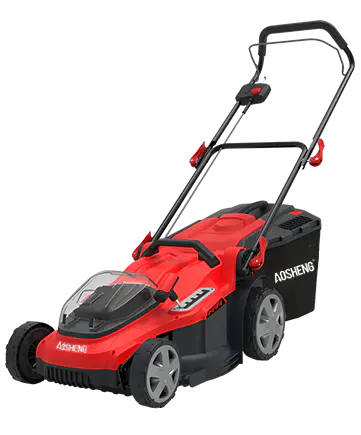
Deck Size:40CM/16INCH 3-in-1 function: Mulching, rear bagging&side discharge Easy-to-use fold-in system
See Details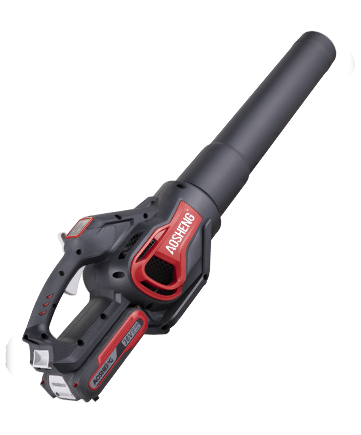
Turbine boost functionBig air volumeInstant startBackpack option for extra battery power
See Details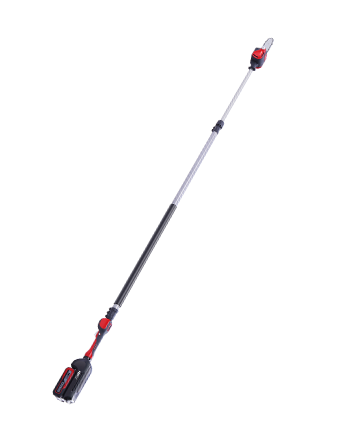
Extension height of 400cmOregon Bar & ChainTool-less chain tension systemAutomatic oiling systemBackpack option for extra battery power
See Details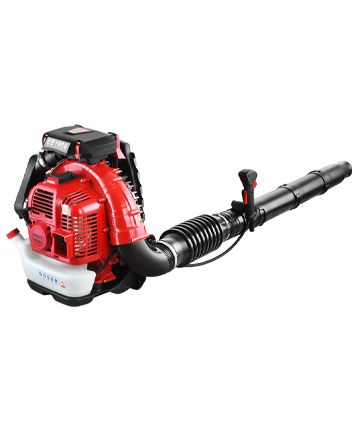
Extremely comfortable adjustable handle Large capacity fuel tank The largest air volume in China Use fire-retardant pipes to extinguish the fire Luxury widen & thicken straps Patented engine reac...
See Details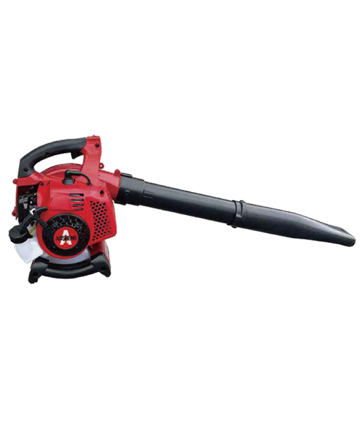
Suction and blowing Euro 5 certification Rubber-coverd handle, Strength nylon collecter.
See Details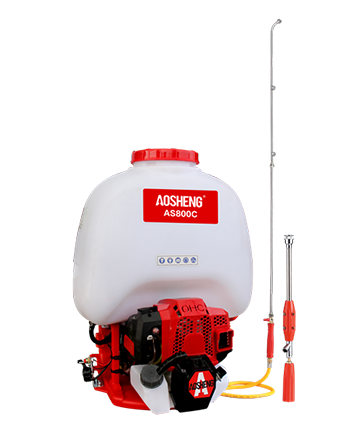
High preformence engine with high quality accessories. Copper meterial pressure pump, corrosion resistance.high atomization effect. Used in agriculture,eqidemic prevention, and disinfection.
See Details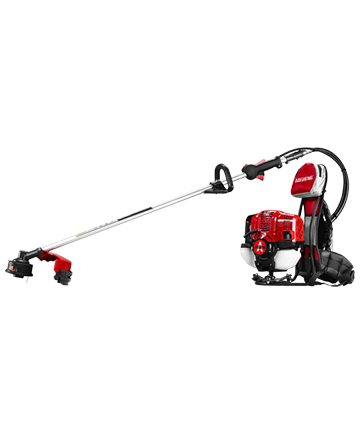
Professional engine, strength power.low consumption, easy to start.Rotating 360°Comfortable control handle and sponge belt. The trimmer head can offer a 460mm cut width. alloy blade diameter is 10 inc...
See Details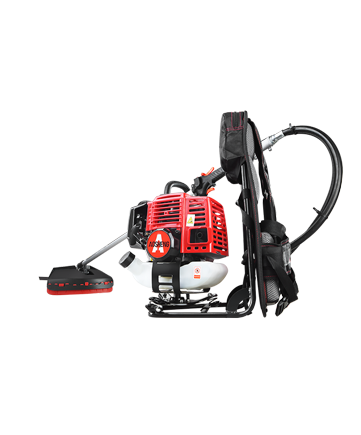
High-performance engine, displacement is 33CC.Professional use opens up wastelandTube size 26mm*1.5mm, strength flexible shaft.Cutting width is 420mmLifetime over 150hours
See Details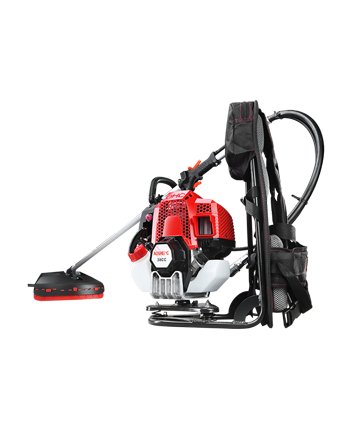
High-performance 4-stroke engine,displacement is 38CC. Professional use in the open-up wasteland Tube size 26mm*1.5mm, strength flexible shaft.Cutting width is 420mm Life time over 150hours New design...
See Details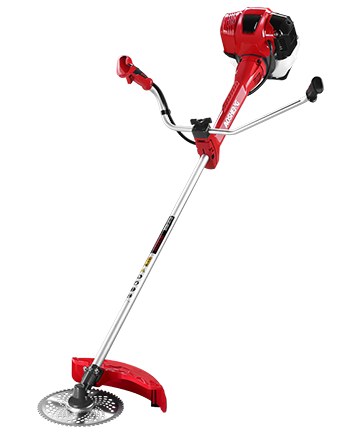
Professional engine, strength power. low consumption, easy to start.Rotating 360°The pole part uses a damper cover. The control handle can rotate 180° to decrease absorption. Rubber-covered handles ma...
See Details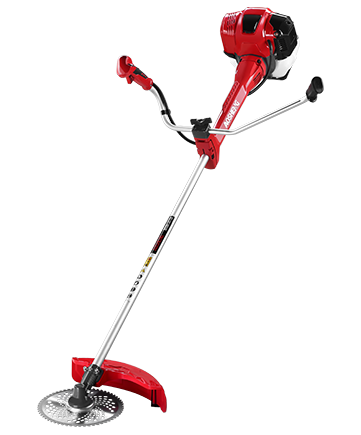
Professional engine, strength power. low consumption, easy to start. Rotating 360° The Pole part uses a damper cover. The control handle can be rotated 180° to decrease absorption. Rubber-covered hand...
See Details