

 English
 Español

news
Home / News / Industry News / What safety precautions should be taken when using a chainsaw?
Home / News / Industry News / What safety precautions should be taken when using a chainsaw?

Content
Operating a chainsaw without proper safety measures can result in severe injuries within seconds. According to OSHA regulations under 29 CFR 1910.266, employers must ensure workers use certified personal protective equipment (PPE) and receive adequate training before handling chainsaws. Even for home use, following these precautions is non-negotiable.
OSHA mandates that chainsaw operators wear specific PPE to minimize injury risks. The required gear includes:
Before starting any cutting task, operators must complete a thorough inspection:
OSHA requires a minimum 10-foot distance from any live power line unless it has been de-energized. Non-compliance with PPE standards can result in penalties reaching $15,625 per violation as of 2024 rates.
Choosing between household and industrial chainsaws depends entirely on your intended use, frequency of operation, and the materials you'll cut. The differences extend far beyond price point to include engineering specifications, durability, and safety features.
Chain Gauge| Feature | Household Chainsaws | Industrial Chainsaws |
|---|---|---|
| Engine Displacement | 30–45 cc | 50–100+ cc |
| Bar Length | 12–18 inches | 20–36+ inches |
| Chain Pitch | .325" or 3/8" low profile | .375", .404", or .750" |
| .043"–.050" | .058", .063", .080", .122" | |
| Cutter Type | Semi-chisel (rounded teeth) | Full-chisel or carbide-tipped |
| Weight | 8–12 lbs | 12–20+ lbs |
| Typical Use Cases | Firewood, small branches, storm cleanup | Logging, demolition, firefighting, utility clearance |
| Sharpening Frequency | Every 30 minutes–1 hour | Every 8–12 hours (carbide-tipped) |
Household chainsaws prioritize lower kickback designs and easier sharpening for occasional users. Industrial models feature aggressive full-chisel or carbide-tipped teeth that cut faster but require more skill to control safely. Professional-grade carbide chains can last up to 25 times longer than standard steel chains in abrasive conditions like dirty wood or demolition environments.
While household chainsaws cost less upfront, industrial models offer superior long-term value for frequent users. Professional chains maintain cutting efficiency for 8–12 hours between sharpening sessions, whereas homeowner chains require attention every 30 minutes to 1 hour under heavy use. The cost per year often favors professional equipment due to reduced replacement frequency and higher durability.
Chainsaws produce noise levels between 100 and 115 decibels during operation, far exceeding the OSHA action limit of 85 decibels where hearing protection becomes mandatory. At these levels, permanent hearing damage can occur within minutes of unprotected exposure.
The decibel scale is logarithmic, meaning every 10 dB increase represents a tenfold increase in sound intensity. A chainsaw at 110 dB is not just slightly louder than normal conversation at 60 dB—it is exponentially more intense and dangerous. OSHA mandates that employers provide hearing protection when workplace noise exceeds 85 dB, and chainsaw operators must use protection sufficient to reduce exposure to 90 dB or below.
To safely operate a chainsaw, hearing protection must provide adequate noise reduction:
Earmuffs generally provide better protection than earplugs for chainsaw operation because they create a more reliable seal around the ear. Many professional chainsaw helmets integrate earmuffs with NRR ratings of 25 dB or higher. Electronic earmuffs are increasingly popular as they allow operators to hear ambient sounds and communication while blocking harmful noise levels.
Yes, ear protection is absolutely necessary. Prolonged exposure to chainsaw noise without protection causes irreversible noise-induced hearing loss. Even short sessions can cause temporary threshold shifts that accumulate into permanent damage over time.
Proper maintenance can double or triple your chainsaw's service life while ensuring consistent performance and safety. Following a structured maintenance schedule prevents costly repairs and reduces accident risks caused by equipment failure.
Use only high-quality bar and chain oil specifically formulated for chainsaws. Never substitute with motor oil, which lacks the adhesive properties needed to cling to the chain at high speeds. For fuel, always use the manufacturer-specified gas-to-oil ratio—typically 50:1 for modern saws—and use fresh fuel mixed within 30 days.
Schedule professional servicing annually for household saws and every 3–6 months for industrial units used daily. A technician should inspect the carburetor, ignition system, clutch assembly, and crankshaft bearings. Replace the thrust washer every few years or when increased vibration and noise indicate wear. Following these protocols can extend a quality chainsaw's lifespan from the typical 5–10 years to 15+ years of reliable service.
Kickback is the leading cause of chainsaw injuries. It occurs when the upper quadrant of the bar nose contacts an object, causing the saw to violently jerk backward toward the operator. Using a chain with a low-kickback design and maintaining proper cutting technique significantly reduces this risk.
No. Household chainsaws lack the power, durability, and safety margins required for professional applications. Using a consumer-grade saw for logging or demolition will result in rapid wear, potential failure, and voided warranties. Industrial tasks require saws with appropriate engine displacement, bar length, and chain specifications.
Homeowner chains typically need sharpening every 30 minutes to 1 hour of active cutting time. Professional-grade carbide-tipped chains can operate efficiently for 8–12 hours between sharpening sessions. If you notice the saw producing fine sawdust instead of chips, or if it requires increased pressure to cut, the chain needs immediate sharpening.
Absolutely not. A Florida landscaping contractor was fined $22,000 by OSHA when inspectors found operators using jeans instead of ASTM F1897-certified chainsaw pants. Standard fabric offers virtually no protection against a moving chain, while certified chaps contain ballistic fibers designed to tangle and stop the chain upon contact.
Replace chainsaw helmets immediately after any major impact. Even without impacts, replace helmets every 3–5 years because UV exposure degrades the shell material over time. Always check the manufacture date stamped inside the helmet.
Most modern chainsaws require a 50:1 ratio of gasoline to 2-stroke oil. However, always consult your specific model's manual, as some older or larger displacement engines may require 40:1 or other ratios. Using incorrect mixtures causes engine damage and voids warranties.

Deck Size:40CM/16INCH 3-in-1 function: Mulching, rear bagging&side discharge Easy-to-use fold-in system
See Details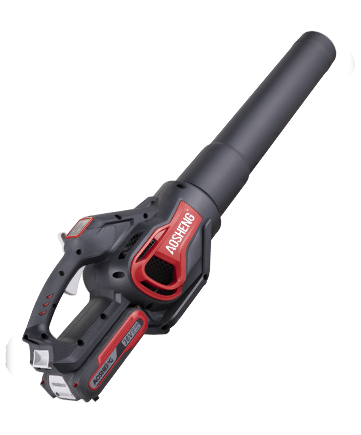
Turbine boost functionBig air volumeInstant startBackpack option for extra battery power
See Details
Extension height of 400cmOregon Bar & ChainTool-less chain tension systemAutomatic oiling systemBackpack option for extra battery power
See Details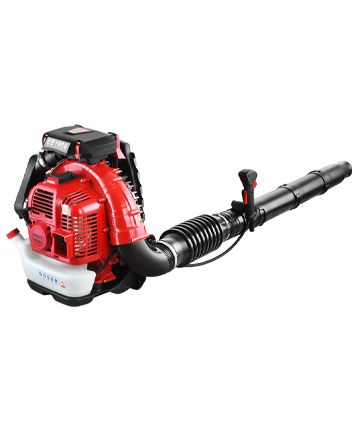
Extremely comfortable adjustable handle Large capacity fuel tank The largest air volume in China Use fire-retardant pipes to extinguish the fire Luxury widen & thicken straps Patented engine reac...
See Details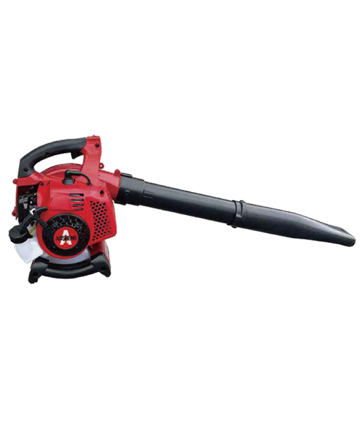
Suction and blowing Euro 5 certification Rubber-coverd handle, Strength nylon collecter.
See Details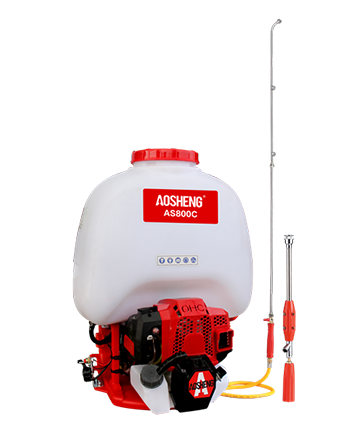
High preformence engine with high quality accessories. Copper meterial pressure pump, corrosion resistance.high atomization effect. Used in agriculture,eqidemic prevention, and disinfection.
See Details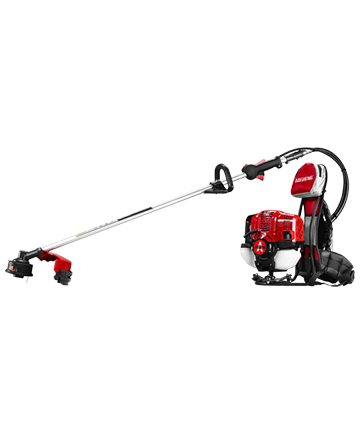
Professional engine, strength power.low consumption, easy to start.Rotating 360°Comfortable control handle and sponge belt. The trimmer head can offer a 460mm cut width. alloy blade diameter is 10 inc...
See Details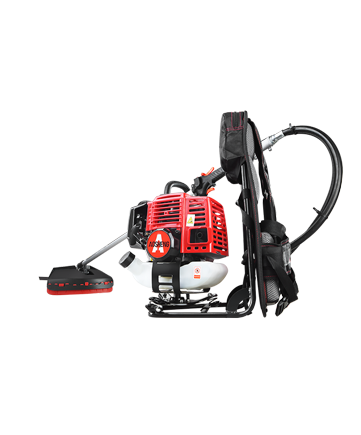
High-performance engine, displacement is 33CC.Professional use opens up wastelandTube size 26mm*1.5mm, strength flexible shaft.Cutting width is 420mmLifetime over 150hours
See Details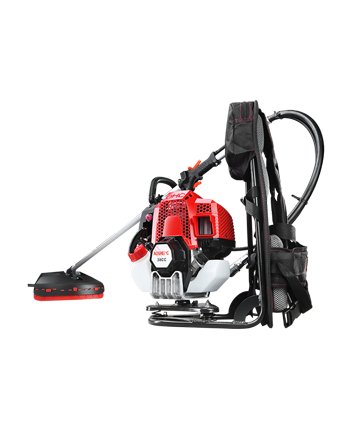
High-performance 4-stroke engine,displacement is 38CC. Professional use in the open-up wasteland Tube size 26mm*1.5mm, strength flexible shaft.Cutting width is 420mm Life time over 150hours New design...
See Details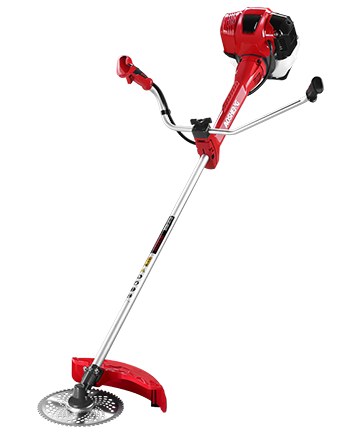
Professional engine, strength power. low consumption, easy to start.Rotating 360°The pole part uses a damper cover. The control handle can rotate 180° to decrease absorption. Rubber-covered handles ma...
See Details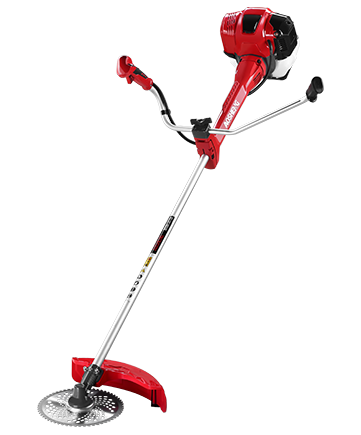
Professional engine, strength power. low consumption, easy to start. Rotating 360° The Pole part uses a damper cover. The control handle can be rotated 180° to decrease absorption. Rubber-covered hand...
See Details