

 English
 Español

news
Home / News / Industry News / What Should You Look for When Choosing a Cordless String Trimmer?
Home / News / Industry News / What Should You Look for When Choosing a Cordless String Trimmer?

Content
When it comes to maintaining clean lawn edges, trimming overgrown grass around fences, or clearing weeds in hard-to-reach corners, a cordless string trimmer is one of the most versatile tools a gardener or landscaper can own. Unlike traditional gas-powered models, modern lithium battery string trimmers deliver comparable cutting power with significantly less noise, zero emissions, and far simpler operation. Choosing the right one, however, requires a clear understanding of what the key specifications actually mean in practice.
This guide breaks down the most important factors — from motor technology and battery voltage to shaft design and ergonomics — so buyers and procurement teams can make a well-informed decision when sourcing a cordless string trimmer for residential, commercial, or OEM purposes.
The motor is the heart of any string trimmer, and the difference between a brushless motor and a conventional brushed motor is not simply a matter of marketing. Brushless motors eliminate the physical carbon brushes that create friction in traditional designs. The result is a system that generates less heat, suffers less internal wear, and converts a higher proportion of battery energy into actual cutting power.
In practical terms, a brushless outer-rotor motor — such as those used in direct-drive configurations — achieves higher rotational speeds with lower mechanical resistance. Trimmers equipped with this technology can reach cutting speeds of around 6,000 RPM, which is sufficient to handle thick grass, dense weeds, and light brush without stalling. For procurement teams sourcing tools for professional landscaping operations or large-scale distribution, specifying a brushless motor is a reliable way to ensure end-user satisfaction and reduce warranty claims related to motor burnout.
Beyond raw performance, brushless motors contribute meaningfully to overall runtime per charge, since less energy is wasted as heat. This makes them especially important in higher-voltage platforms where battery investment is significant.
Battery voltage is one of the most straightforward indicators of a string trimmer's power potential. Entry-level cordless trimmers typically operate on 18V–20V platforms and are well-suited for small residential lawns. Mid-range and professional-grade models commonly use 40V lithium battery systems, which offer a substantially better balance of runtime, torque, and cutting width capability.
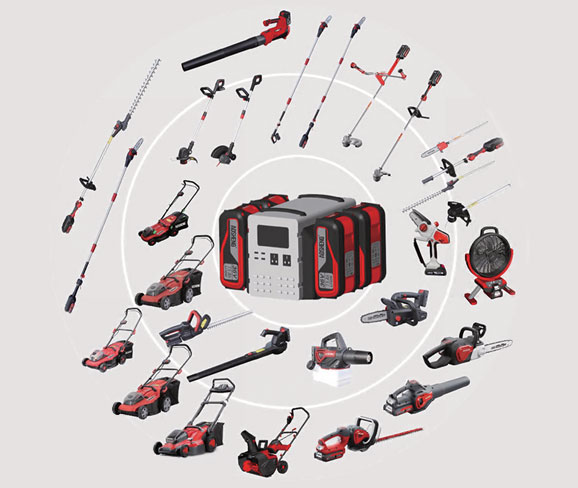
One of the most strategically important questions when selecting a cordless trimmer — particularly for distributors and landscaping fleets — is whether the battery platform is shared across multiple tool categories. A 40V battery that also powers a hedge trimmer, leaf blower, and pole saw within the same product family represents a significant cost advantage. Users only need to invest in additional batteries rather than entirely separate power systems. This platform approach is central to the Aosheng series of lithium battery garden tools, which was developed after years of technical accumulation specifically to bridge the power gap between gasoline and battery-powered equipment.
When evaluating voltage, also consider the battery's amp-hour (Ah) rating. A higher Ah value extends runtime, which matters most for continuous use in commercial settings. For light residential trimming, a standard 2.0–2.5Ah pack is generally sufficient; for half-day or full-day professional use, 4.0Ah or above is advisable.
Cutting width determines how much ground is covered with each pass of the trimmer head. A wider cutting swath reduces the total number of passes required to clear a given area, directly improving productivity. Most cordless string trimmers in the 40V class offer cutting widths in the range of 12 to 16 inches (approximately 300–410mm), with 14 inches (350mm) being a common standard for versatile, all-purpose use.
However, wider is not always better. A wider cutting path places greater demand on the motor and battery. For tight edging work — along flower beds, paving stones, or fence lines — a narrower, more maneuverable head gives better control and a cleaner result. Some models address this with adjustable trimmer heads that can pivot between a trimming and edging position, eliminating the need to purchase a separate edging tool.
| Application | Recommended Cutting Width | Typical User |
|---|---|---|
| Small residential lawn edging | 10–12 inches (250–300mm) | Homeowner |
| General garden trimming | 13–15 inches (330–380mm) | Homeowner / light commercial |
| Large lawn & commercial grounds | 15–17 inches (380–430mm) | Landscaping professional |
| Roadside / rough terrain clearing | 16+ inches, consider brush cutter | Municipal / forestry |
The shaft of a string trimmer affects both its working posture and its storage footprint. The two primary configurations are straight shaft and curved shaft, each with distinct advantages.
For OEM and wholesale buyers, foldable straight-shaft models have become increasingly popular in retail channels because they reduce packaging volume and simplify logistics, while still offering the professional-grade reach and rigidity of a full-length design.
Prolonged trimming work places real physical demands on the operator, making handle design a factor that should not be overlooked. Two dominant handle configurations exist in the cordless string trimmer market:
Regardless of handle type, look for soft rubber grip surfaces on all contact points. Rubber overmolding absorbs vibration, improves wet-weather grip, and reduces operator hand fatigue — a detail that separates professional-grade tools from entry-level options. An aluminum gearbox at the cutting head is another marker of build quality, offering greater durability and heat dissipation under sustained load compared to plastic gearbox housings.
Noise regulations and emissions restrictions are becoming progressively stricter in many markets, particularly across the European Union, parts of North America, and urban zones in Asia-Pacific. Battery-powered string trimmers operate at substantially lower noise levels than gasoline equivalents — typically below 85 dB(A) at the operator's ear — making them compliant with noise ordinances in residential areas and usable during early morning or evening hours when gas tools may be prohibited.
Zero direct emissions also matter for applications indoors or in enclosed environments such as greenhouse perimeters, sports facilities, and hospitality venues. For distributors supplying these segments, a cordless string trimmer is increasingly the default specification rather than an upgrade option.
The shift toward battery-powered garden machinery reflects a broader industry evolution. Having invested years in developing a lithium battery platform capable of matching gasoline-engine power output, manufacturers like Ningbo Aosheng Machine Co., Ltd. — a Sino-foreign joint venture with over three decades of engine and machinery expertise — have demonstrated that environmental compliance and high performance are no longer mutually exclusive goals.
The trimmer line feed mechanism is a detail that significantly affects day-to-day usability. The two most common systems are:
For commercial and high-volume use, the bump-feed system is generally preferred for its predictability and easy field maintenance. Users should also check the trimmer line diameter compatibility — most standard heads accept lines between 1.6mm and 2.4mm — and whether the head supports dual-line loading for faster cutting in dense vegetation.
Before finalizing a purchasing or sourcing decision, use the following checklist to verify that a cordless string trimmer meets the intended application requirements:
A cordless string trimmer is a deceptively nuanced purchase. On the surface, most models look similar — but the gap in real-world performance between a basic brushed-motor unit and a professional-grade brushless model with an aluminum shaft, dual-handle configuration, and shared 40V battery platform is significant. Matching specifications to the actual workload, rather than defaulting to the lowest-cost option, results in longer tool life, better operator experience, and fewer post-sale support issues.
For wholesale buyers and OEM partners, working with an established manufacturer that maintains a complete garden machinery ecosystem — including compatible battery platforms, independent R&D, and rigorous QC/QA processes — ensures that product quality is consistent across the entire catalog. Ningbo Aosheng Machine Co., Ltd., with over three decades of garden machinery manufacturing experience and a growing range of lithium battery tools built on a unified power platform, offers procurement teams a reliable and scalable sourcing option for professional-grade cordless string trimmers.
Whether you are equipping a landscaping team, building a retail product range, or developing a private-label line, the right cordless string trimmer — properly specified — will deliver cleaner results, greater operator satisfaction, and a stronger return on investment over its working life.
"
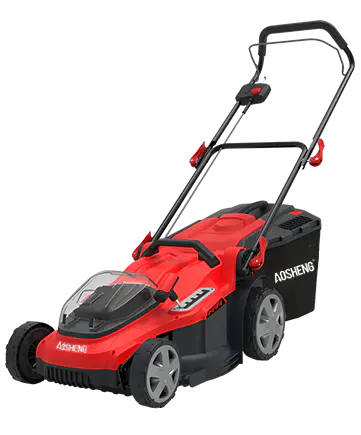
Deck Size:40CM/16INCH 3-in-1 function: Mulching, rear bagging&side discharge Easy-to-use fold-in system
See Details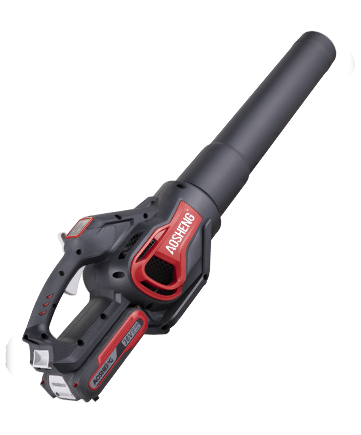
Turbine boost functionBig air volumeInstant startBackpack option for extra battery power
See Details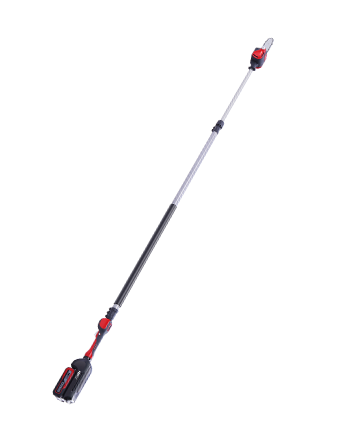
Extension height of 400cmOregon Bar & ChainTool-less chain tension systemAutomatic oiling systemBackpack option for extra battery power
See Details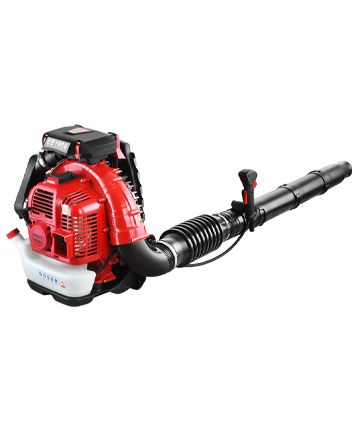
Extremely comfortable adjustable handle Large capacity fuel tank The largest air volume in China Use fire-retardant pipes to extinguish the fire Luxury widen & thicken straps Patented engine reac...
See Details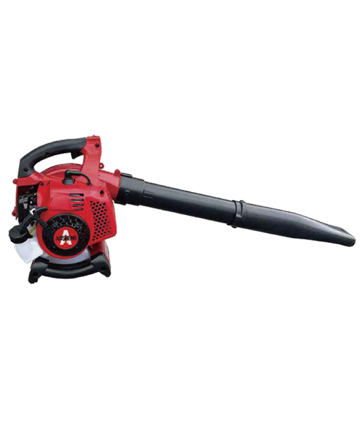
Suction and blowing Euro 5 certification Rubber-coverd handle, Strength nylon collecter.
See Details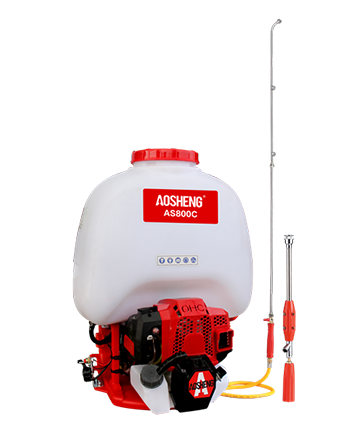
High preformence engine with high quality accessories. Copper meterial pressure pump, corrosion resistance.high atomization effect. Used in agriculture,eqidemic prevention, and disinfection.
See Details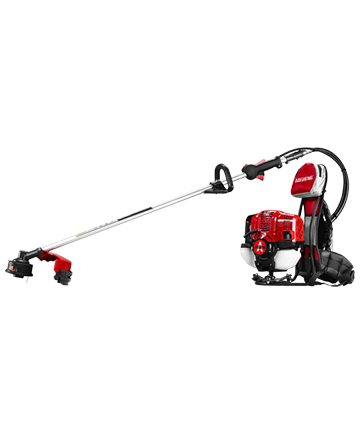
Professional engine, strength power.low consumption, easy to start.Rotating 360°Comfortable control handle and sponge belt. The trimmer head can offer a 460mm cut width. alloy blade diameter is 10 inc...
See Details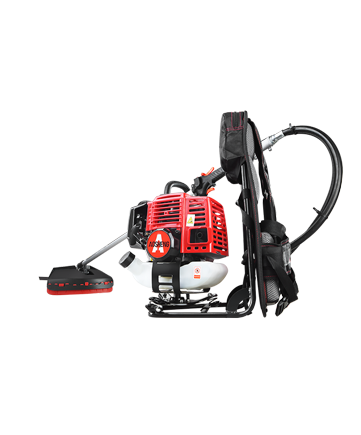
High-performance engine, displacement is 33CC.Professional use opens up wastelandTube size 26mm*1.5mm, strength flexible shaft.Cutting width is 420mmLifetime over 150hours
See Details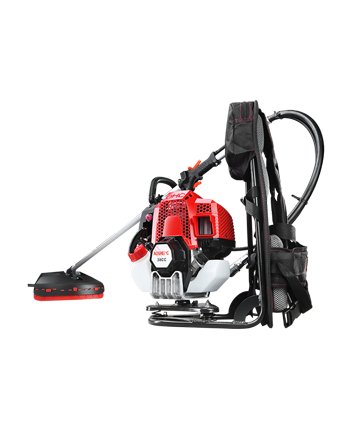
High-performance 4-stroke engine,displacement is 38CC. Professional use in the open-up wasteland Tube size 26mm*1.5mm, strength flexible shaft.Cutting width is 420mm Life time over 150hours New design...
See Details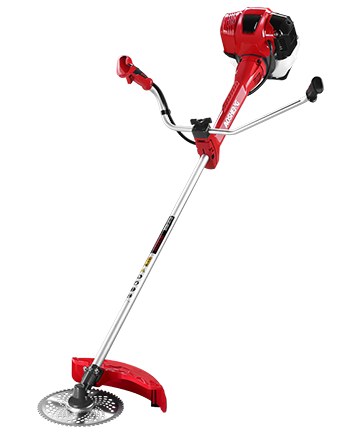
Professional engine, strength power. low consumption, easy to start.Rotating 360°The pole part uses a damper cover. The control handle can rotate 180° to decrease absorption. Rubber-covered handles ma...
See Details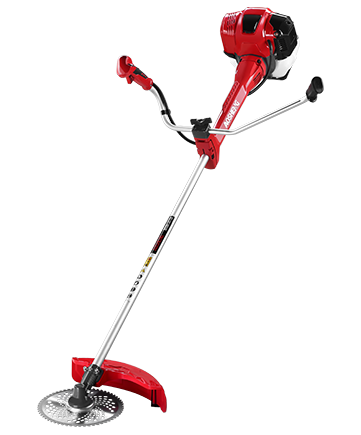
Professional engine, strength power. low consumption, easy to start. Rotating 360° The Pole part uses a damper cover. The control handle can be rotated 180° to decrease absorption. Rubber-covered hand...
See Details