

 English
 Español

news
Home / News / Industry News / What to do if your brushcutter blade (or rope end) is stuck?
Home / News / Industry News / What to do if your brushcutter blade (or rope end) is stuck?

Content
Power off operation: First, ensure the machine's engine is off and the spark plug power is disconnected to prevent accidental starting and potential injury.
Visual inspection: Carefully observe the brushcutter head (rope end) to check for weeds, vines, or foreign objects entangled around the rope end or inside the protective cover.
Clearing blockage: If it's ordinary weeds or slight entanglement, carefully remove the foreign objects around the rope end using a tool (such as pliers) to ensure the rope end can rotate freely.
Replacing the rope end: If the rope end is worn, broken, or severely knotted, it is recommended to replace it with a brand new rope end. Select the appropriate specification according to the model (e.g., 12mm or 15mm rope end).
Centrifugal structure: Brushcutter rope ends typically use a centrifugal design, with an internal spring and centrifugal wheel. If the rope end is stuck, it may be due to obstruction of the internal centrifugal wheel or a malfunctioning spring.
Lubrication and Maintenance: Disassemble the rope end to inspect the internal gears and springs, remove oil and carbon deposits, and add an appropriate amount of lubricating oil to restore normal elasticity and rotational performance.
Drive Shaft Issues: If the rope end is still stuck after cleaning, it may be due to a bent drive shaft or damaged bearings preventing smooth power transmission.
Protective Cover Tightness: Check if the protective cover is loose or deformed. A loose protective cover can cause the rope end to rub against the machine body, affecting cutting performance.
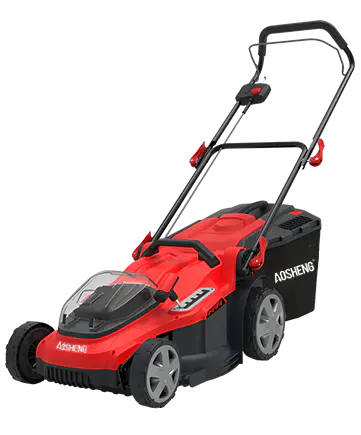
Deck Size:40CM/16INCH 3-in-1 function: Mulching, rear bagging&side discharge Easy-to-use fold-in system
See Details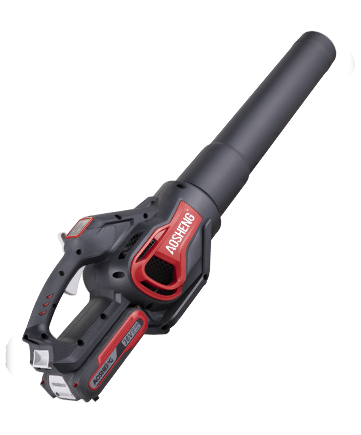
Turbine boost functionBig air volumeInstant startBackpack option for extra battery power
See Details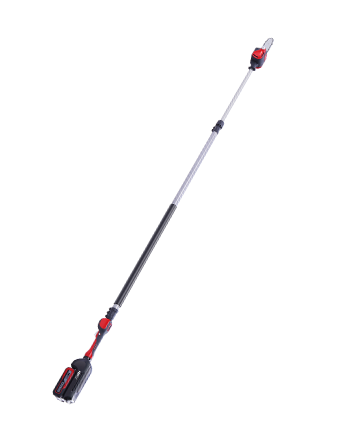
Extension height of 400cmOregon Bar & ChainTool-less chain tension systemAutomatic oiling systemBackpack option for extra battery power
See Details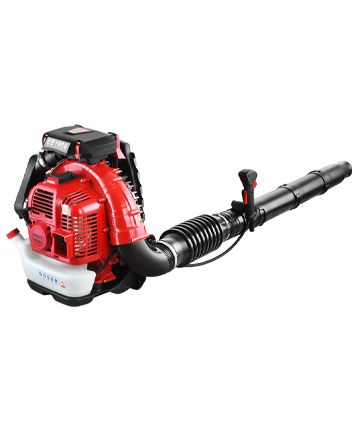
Extremely comfortable adjustable handle Large capacity fuel tank The largest air volume in China Use fire-retardant pipes to extinguish the fire Luxury widen & thicken straps Patented engine reac...
See Details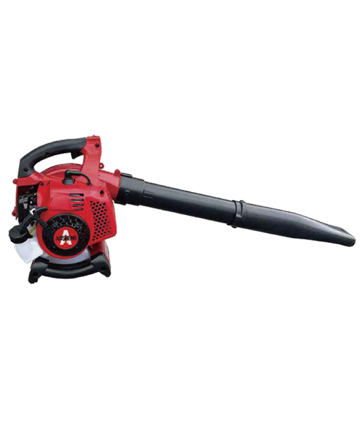
Suction and blowing Euro 5 certification Rubber-coverd handle, Strength nylon collecter.
See Details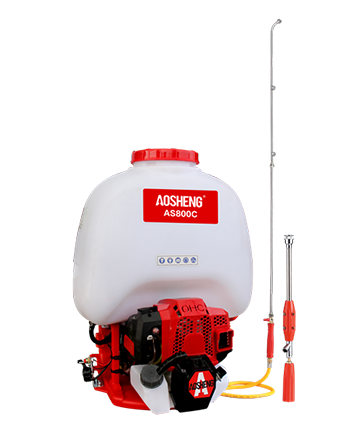
High preformence engine with high quality accessories. Copper meterial pressure pump, corrosion resistance.high atomization effect. Used in agriculture,eqidemic prevention, and disinfection.
See Details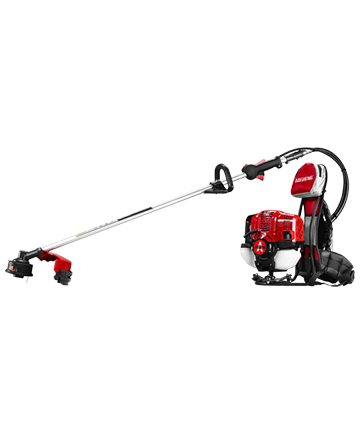
Professional engine, strength power.low consumption, easy to start.Rotating 360°Comfortable control handle and sponge belt. The trimmer head can offer a 460mm cut width. alloy blade diameter is 10 inc...
See Details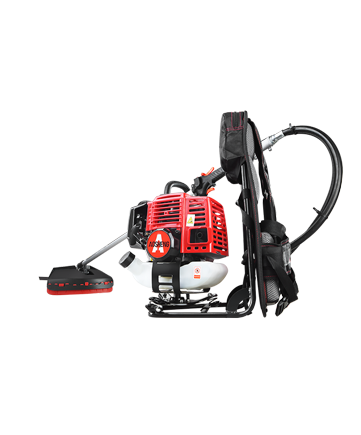
High-performance engine, displacement is 33CC.Professional use opens up wastelandTube size 26mm*1.5mm, strength flexible shaft.Cutting width is 420mmLifetime over 150hours
See Details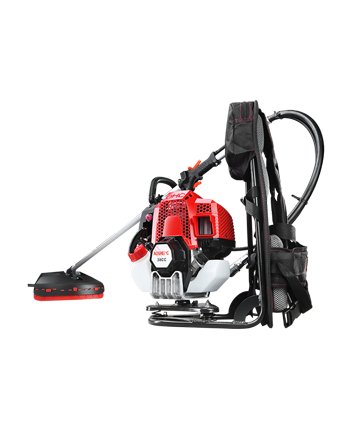
High-performance 4-stroke engine,displacement is 38CC. Professional use in the open-up wasteland Tube size 26mm*1.5mm, strength flexible shaft.Cutting width is 420mm Life time over 150hours New design...
See Details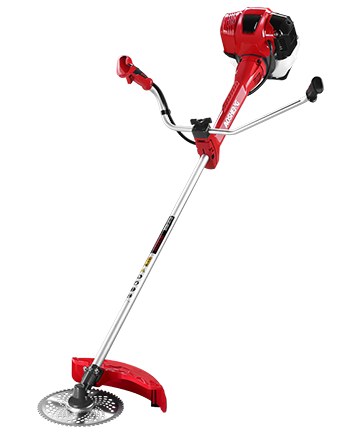
Professional engine, strength power. low consumption, easy to start.Rotating 360°The pole part uses a damper cover. The control handle can rotate 180° to decrease absorption. Rubber-covered handles ma...
See Details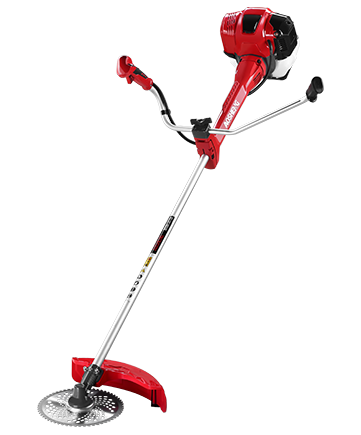
Professional engine, strength power. low consumption, easy to start. Rotating 360° The Pole part uses a damper cover. The control handle can be rotated 180° to decrease absorption. Rubber-covered hand...
See Details