

 English
 Español


news
Home / News / Industry News / What to Look for in a Leaf Blower: 6 Key Factors That Matter
Home / News / Industry News / What to Look for in a Leaf Blower: 6 Key Factors That Matter

Content
Before comparing models, focus on five measurable factors: air volume (CFM) and air speed (MPH), engine or motor type, operating weight, noise output, and attachment compatibility. A blower that scores well on all five will clear wet leaves, gravel, and grass clippings efficiently without exhausting the operator or drawing complaints from neighbors. Everything else — color, brand styling, or accessory bundles — is secondary to these performance numbers. The rest of this guide breaks down how to read each spec sheet correctly and apply it to real yard conditions.
Two numbers appear on almost every leaf blower listing: CFM (cubic feet per minute) and MPH (miles per hour). They measure different things, and confusing them leads to the wrong purchase.
CFM measures how much air the unit moves. Higher CFM is better for large properties or piles of wet, heavy debris because it moves more material per pass. Residential-grade gasoline blowers typically range from 400 to 600 CFM, while commercial backpack units often exceed 600 CFM.
MPH measures how fast the air exits the nozzle. Higher MPH is more effective at dislodging compacted debris, such as wet leaves stuck to pavement or grass clippings pressed into a lawn. A narrower nozzle increases MPH at the cost of CFM, which is why some units include interchangeable nozzle tips.
| Blower Type | Typical CFM | Typical MPH | Best Use Case |
|---|---|---|---|
| Handheld electric | 250–450 | 120–180 | Small yards, patios, light leaf cover |
| Handheld gasoline | 400–600 | 150–230 | Medium to large residential yards |
| Backpack gasoline | 450–700 | 180–250 | Large properties, commercial crews |
| Wheeled / walk-behind | 800–3000+ | N/A (volume-focused) | Parking lots, athletic fields, heavy debris |
The three common power sources — corded electric, battery, and gasoline — each trade off differently on power, runtime, and weight.
For gasoline models, engine displacement (measured in cc) is a rough proxy for sustained power under load. A larger-displacement engine holds its rated air speed even when clogged with wet debris, while undersized engines bog down. Manufacturers with their own die-casting and CNC machining facilities can hold tighter tolerances on crankcase and cylinder components, which directly affects how consistently an engine performs after repeated start-stop cycles in the field.
A blower's spec sheet weight rarely matches how heavy it feels after thirty minutes of continuous use. Handheld units above 5 kg (about 11 lb) noticeably fatigue the forearm and shoulder, which is why backpack designs shift the load to the hips and back for any job lasting longer than 15–20 minutes.
Many municipalities restrict outdoor power equipment to specific decibel limits or operating hours, so checking the rated noise level is not optional in some areas. Gasoline handheld blowers commonly measure between 65 and 80 decibels at operator ear level, while backpack units can run slightly higher due to larger engines. Look for models with muffler designs rated for reduced exhaust noise, and consider battery units if local rules cap permitted decibel levels for residential zones.
Several blower platforms accept interchangeable nozzles or convert into vacuum/mulching units with an add-on kit. Before buying, confirm:
Two blowers with identical CFM ratings can have very different lifespans depending on internal component tolerances. Look for manufacturers that disclose their production scale and quality-control process, since consistent CNC machining and die-casting reduce the variance between units coming off the same line. A factory producing in the tens of thousands of units annually with dedicated QC/QA inspection is generally better positioned to maintain tight tolerances than a low-volume assembler, which translates into fewer early failures in the carburetor, ignition, and fan housing.
Ask whether replacement parts (air filters, spark plugs, carburetor kits) are readily available, what the warranty period covers, and whether the seller supports OEM/ODM customization if you are sourcing in bulk for a landscaping fleet or retail line.
Use this checklist to compare any two models side by side before deciding:
Buyers who weigh all six points consistently land on a blower that performs reliably across seasons rather than one that looks powerful on paper but underperforms in real conditions.
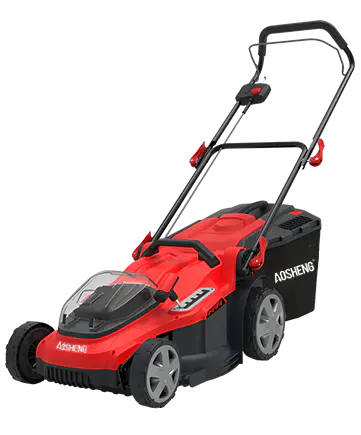
Deck Size:40CM/16INCH 3-in-1 function: Mulching, rear bagging&side discharge Easy-to-use fold-in system
See Details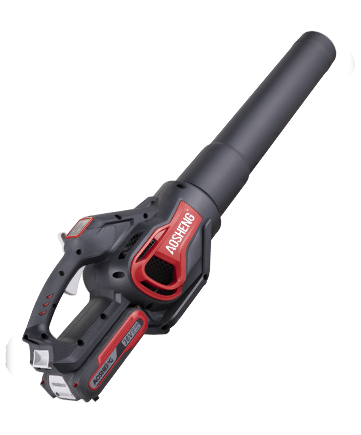
Turbine boost functionBig air volumeInstant startBackpack option for extra battery power
See Details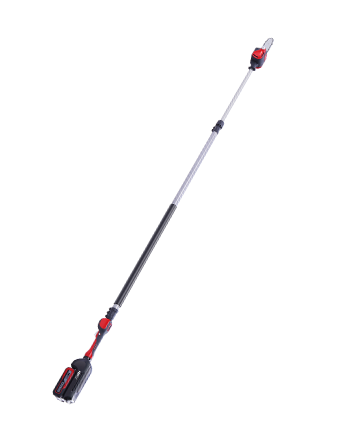
Extension height of 400cmOregon Bar & ChainTool-less chain tension systemAutomatic oiling systemBackpack option for extra battery power
See Details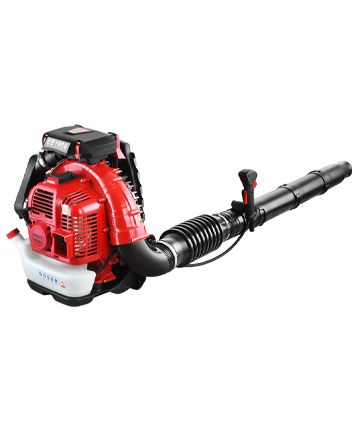
Extremely comfortable adjustable handle Large capacity fuel tank The largest air volume in China Use fire-retardant pipes to extinguish the fire Luxury widen & thicken straps Patented engine reac...
See Details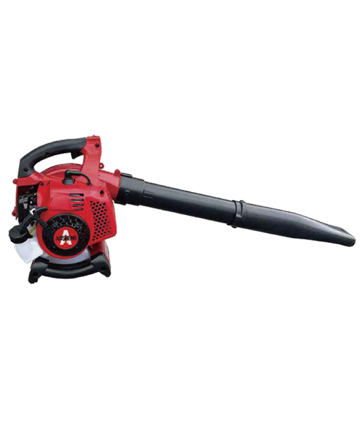
Suction and blowing Euro 5 certification Rubber-coverd handle, Strength nylon collecter.
See Details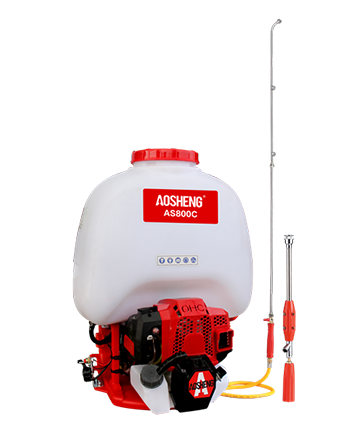
High preformence engine with high quality accessories. Copper meterial pressure pump, corrosion resistance.high atomization effect. Used in agriculture,eqidemic prevention, and disinfection.
See Details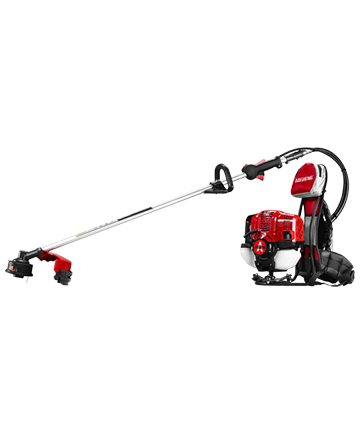
Professional engine, strength power.low consumption, easy to start.Rotating 360°Comfortable control handle and sponge belt. The trimmer head can offer a 460mm cut width. alloy blade diameter is 10 inc...
See Details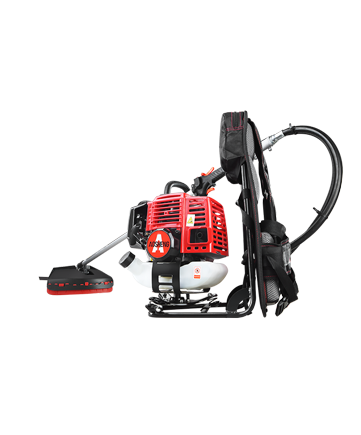
High-performance engine, displacement is 33CC.Professional use opens up wastelandTube size 26mm*1.5mm, strength flexible shaft.Cutting width is 420mmLifetime over 150hours
See Details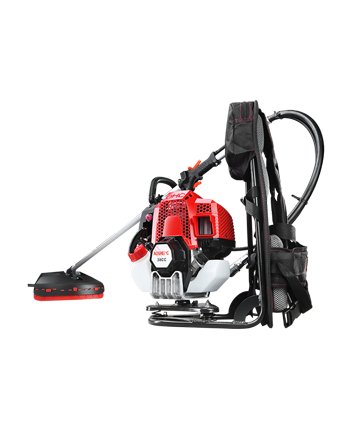
High-performance 4-stroke engine,displacement is 38CC. Professional use in the open-up wasteland Tube size 26mm*1.5mm, strength flexible shaft.Cutting width is 420mm Life time over 150hours New design...
See Details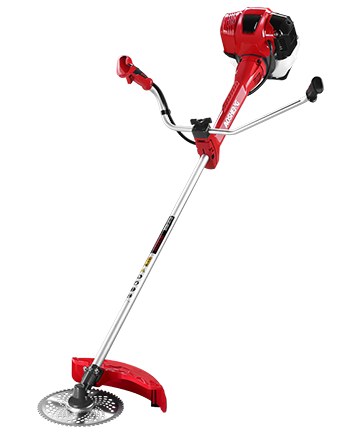
Professional engine, strength power. low consumption, easy to start.Rotating 360°The pole part uses a damper cover. The control handle can rotate 180° to decrease absorption. Rubber-covered handles ma...
See Details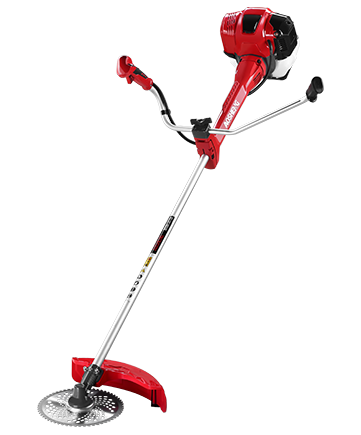
Professional engine, strength power. low consumption, easy to start. Rotating 360° The Pole part uses a damper cover. The control handle can be rotated 180° to decrease absorption. Rubber-covered hand...
See Details