

 English
 Español

news
Home / News / Industry News / Which is better, an electric chainsaw or a pneumatic-electric chainsaw?
Home / News / Industry News / Which is better, an electric chainsaw or a pneumatic-electric chainsaw?

Content
For most home users and light-duty professionals, an electric chainsaw is the better choice due to lower cost, easier maintenance, and sufficient power for residential tasks. Pneumatic-electric (battery-powered) chainsaws offer cordless convenience but have limited runtime. For heavy-duty industrial cutting of metal or concrete, pneumatic (air-powered) chainsaws are superior.
| Feature | Corded Electric | Battery-Powered | Pneumatic (Air) |
|---|---|---|---|
| Power Source | Wall outlet | Lithium-ion battery | Compressed air |
| Runtime | Unlimited | 30-60 minutes | Unlimited (with compressor) |
| Weight | Light (6-10 lbs) | Moderate (8-12 lbs) | Heavy (15+ lbs) |
| Best For | Home trimming, pruning | Remote cutting, portability | Metal/concrete cutting |
| Noise Level | Low (85-95 dB) | Low (85-95 dB) | Moderate |
| Maintenance | Minimal | Minimal | Air system maintenance |
Choose corded electric if you work near a power source and need continuous operation for pruning, limbing, or cutting firewood under 12 inches in diameter. These models typically run at 1.5 to 6 horsepower and cost between $80-$200.
Choose battery-powered (pneumatic-electric) if you need portability for remote property maintenance. Modern lithium-ion models deliver up to 70 cuts per charge on a single battery, with charging times ranging from 20 minutes to 2 hours. Expect to pay $150-$400.
Choose pneumatic (air-powered) only for specialized industrial applications like cutting concrete or metal. These chainsaws have fewer moving parts, produce no emissions, and often include cooling systems, but require an air compressor and cost $300-$800.
Replace your chainsaw blade (chain) when sharpening no longer restores clean cuts, teeth are damaged beyond repair, or the chain stretches beyond adjustment limits. Most chains last through 10 to 20 sharpenings before requiring replacement, depending on usage intensity and wood type.
For occasional home users (monthly use), inspect the chain every season and replace every 2-3 years. For regular users (weekly cutting), replace the chain annually or when sharpened 10+ times. For professional loggers (daily use), replace chains every 3-6 months or after 5-10 hours of heavy cutting.
The guide bar itself typically lasts 5 to 10 years with proper maintenance. Flip the bar periodically to ensure even wear, and replace if it becomes bent, cracked, or develops deep grooves.
Beginners should start with a battery-powered or small electric chainsaw (12-14 inch bar), practice on softwood logs under 6 inches diameter, and master safety protocols before attempting any cutting. Proper training reduces kickback risk by up to 80%.
Never operate a chainsaw without full PPE:
Avoid cutting above shoulder height, which increases kickback risk. Never operate with a dull chain—a sharp chain cuts up to 30% faster with less effort. Do not cut with the tip of the bar (the "kickback zone"). Always ensure the chain is properly tensioned; a loose chain can derail and cause injury.
A chainsaw converts fuel or electrical energy into mechanical rotation, driving a toothed chain around a guide bar at speeds of 20-30 meters per second to slice through wood. The cutting action combines the chain's sharp teeth with rapid linear movement.
When you pull the starter cord, the ignition system generates a spark that ignites the fuel-air mixture in the two-stroke engine. This combustion drives a piston, which rotates the crankshaft connected to the drive sprocket. The sprocket engages the chain's drive links, propelling it around the guide bar at high speed. Gas engines typically produce 2 to 7 horsepower.
Electric and battery chainsaws use a motor (often brushless in modern lithium models) to convert electrical energy into mechanical rotation. When you squeeze the trigger, the electronic control system delivers power to the motor, which directly drives the sprocket. Brushless motors are up to 20% more efficient than brushed alternatives and require less maintenance.
An automatic oil pump continuously delivers bar and chain oil to reduce friction and prevent overheating. Without proper lubrication, chain temperature can exceed 300°F (150°C), causing rapid wear and potential chain failure. The oil tank typically requires refilling every 20-30 minutes of active cutting.
Understanding the key components helps with maintenance, troubleshooting, and safe operation. A chainsaw consists of 15+ interconnected parts working in mechanical synergy.
| Component | Material | Function |
|---|---|---|
| Engine/Motor | Aluminum, steel | Converts energy to mechanical power |
| Guide Bar | Steel or aluminum | Supports and guides the chain (12-36 inches) |
| Saw Chain | High-carbon steel | Cuts wood via rotating teeth |
| Chain Brake | Steel, composite | Stops chain instantly during kickback |
| Carburetor | Aluminum, brass | Mixes fuel and air for combustion |
| Oil Pump | Plastic, metal | Lubricates bar and chain automatically |
| Muffler | Steel | Reduces engine noise |
| Throttle/Trigger | Plastic, metal | Controls engine speed and chain rotation |
The chain itself is a precision assembly containing:
Chain pitch (distance between three rivets divided by two) and gauge (thickness of drive links) must match your bar specifications exactly. Common pitches include 1/4", 3/8", and .325".
An 18-20 inch bar provides optimal balance between cutting capacity and maneuverability for most homeowners. This length efficiently handles trees up to 16-18 inches in diameter while remaining manageable for pruning tasks.
Weight significantly affects operator fatigue and control. Using lighter materials like magnesium frames (weighing around 3-4 pounds) can improve operational efficiency by up to 20% while reducing user strain during extended sessions.
No. You must match the chain's pitch, gauge, and number of drive links to your saw's specifications. Using an incompatible chain is unsafe and will damage your equipment.
Chain stretching is normal and occurs after approximately 5 to 10 hours of use as the metal heats and wears. Regular tension adjustments are necessary. If the chain exceeds the bar's adjustment range, replacement is required.
Gas chainsaws require regular engine maintenance including air filter cleaning, spark plug replacement, and fuel system servicing. Battery chainsaws need minimal maintenance beyond chain care and battery management. All chainsaws benefit from regular chain sharpening and proper lubrication.
Chainsaw carving requires specialized equipment including lightweight carving bars and chains. Beginners should first master basic cutting techniques and safety protocols. Softwoods like pine and cedar are recommended for first projects due to their forgiving nature.
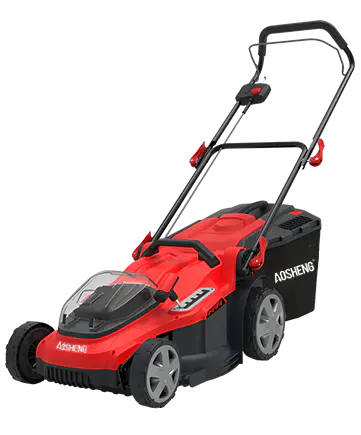
Deck Size:40CM/16INCH 3-in-1 function: Mulching, rear bagging&side discharge Easy-to-use fold-in system
See Details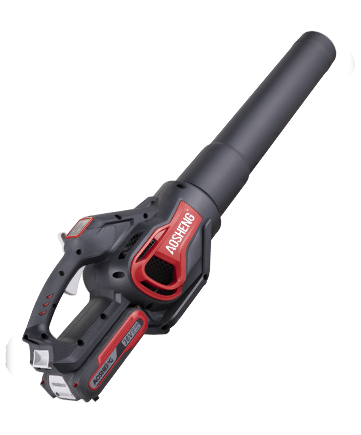
Turbine boost functionBig air volumeInstant startBackpack option for extra battery power
See Details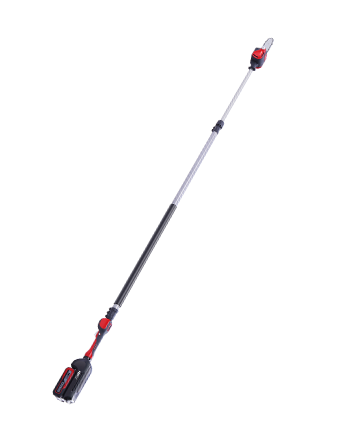
Extension height of 400cmOregon Bar & ChainTool-less chain tension systemAutomatic oiling systemBackpack option for extra battery power
See Details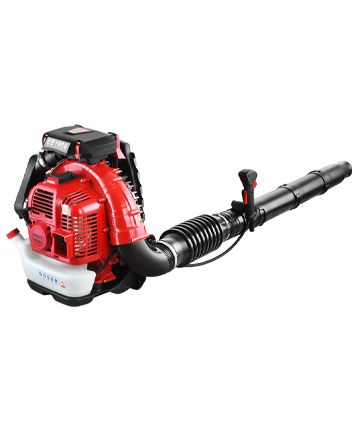
Extremely comfortable adjustable handle Large capacity fuel tank The largest air volume in China Use fire-retardant pipes to extinguish the fire Luxury widen & thicken straps Patented engine reac...
See Details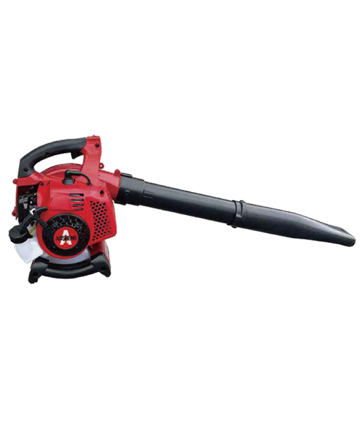
Suction and blowing Euro 5 certification Rubber-coverd handle, Strength nylon collecter.
See Details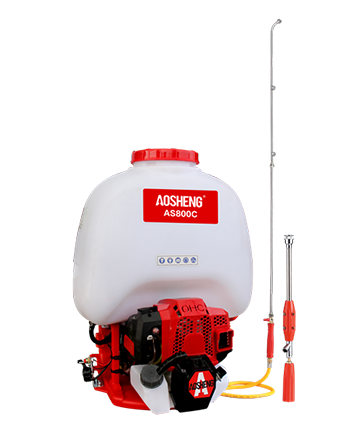
High preformence engine with high quality accessories. Copper meterial pressure pump, corrosion resistance.high atomization effect. Used in agriculture,eqidemic prevention, and disinfection.
See Details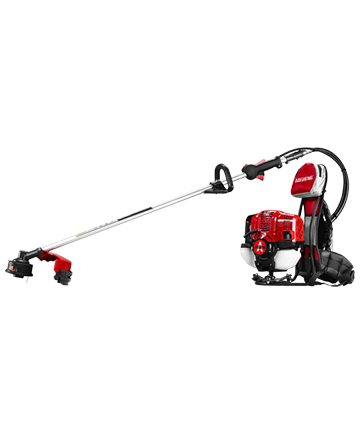
Professional engine, strength power.low consumption, easy to start.Rotating 360°Comfortable control handle and sponge belt. The trimmer head can offer a 460mm cut width. alloy blade diameter is 10 inc...
See Details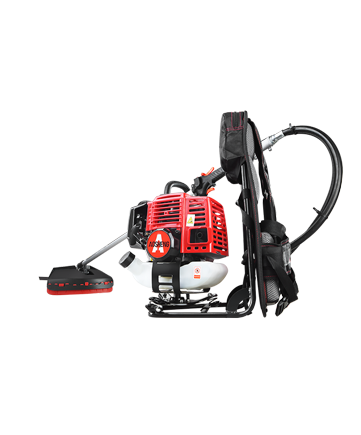
High-performance engine, displacement is 33CC.Professional use opens up wastelandTube size 26mm*1.5mm, strength flexible shaft.Cutting width is 420mmLifetime over 150hours
See Details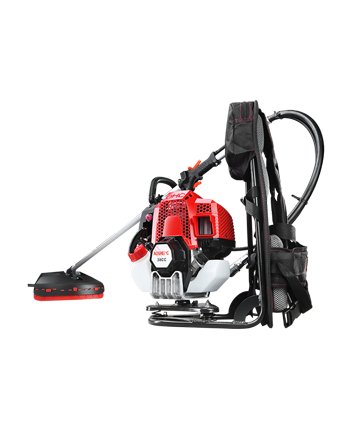
High-performance 4-stroke engine,displacement is 38CC. Professional use in the open-up wasteland Tube size 26mm*1.5mm, strength flexible shaft.Cutting width is 420mm Life time over 150hours New design...
See Details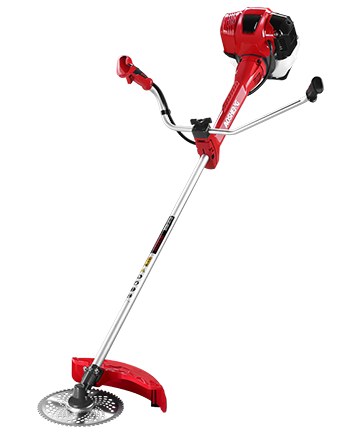
Professional engine, strength power. low consumption, easy to start.Rotating 360°The pole part uses a damper cover. The control handle can rotate 180° to decrease absorption. Rubber-covered handles ma...
See Details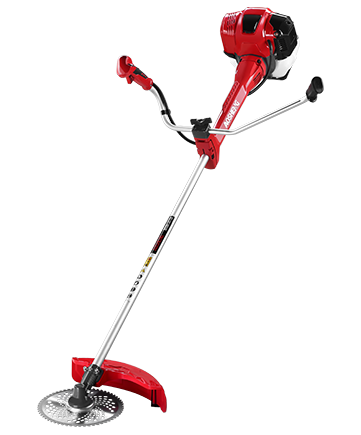
Professional engine, strength power. low consumption, easy to start. Rotating 360° The Pole part uses a damper cover. The control handle can be rotated 180° to decrease absorption. Rubber-covered hand...
See Details