

 English
 Español


news
Home / News / Industry News / Why Choose a Lithium Battery for Lawn Mower?
Home / News / Industry News / Why Choose a Lithium Battery for Lawn Mower?

Content
Choosing a lithium battery for a lawn mower delivers cleaner operation, lower long-term costs, and significantly less maintenance compared with gasoline or lead-acid alternatives. Lithium-ion technology offers higher energy density, faster charging, and a longer service life — typically 800 to 2,000 charge cycles — making it the most practical power source for both residential and commercial lawn care today. Over the past decade, lithium chemistry has matured from a premium feature into the dominant standard for cordless outdoor power equipment, with global sales of battery-powered mowers growing at double-digit annual rates. The sections below break down the technical, economic, and operational reasons behind this shift, and provide actionable guidance for buyers, distributors, and procurement teams evaluating lithium-powered lawn equipment.
Lithium-ion batteries deliver roughly three to four times the energy density of lead-acid batteries of the same weight. For a lawn mower, this translates directly into a lighter machine that runs longer on a single charge without sacrificing cutting power. A typical 40V to 80V lithium pack can power a push mower for 45–60 minutes of continuous cutting, which is enough to handle a quarter-acre lawn without interruption. Higher-capacity 10Ah or dual-battery configurations can extend runtime to 90 minutes or more, making them suitable for half-acre properties.
Unlike gasoline engines that lose torque as fuel depletes, lithium batteries provide consistent voltage output until they are nearly empty. This results in steady blade RPM, cleaner cuts, and uniform performance across the entire mowing session — a critical factor for professional landscapers managing multiple properties per day. The same characteristic also benefits self-propelled drive systems, where consistent wheel speed reduces operator fatigue on slopes and uneven terrain.
Weight reduction is another underappreciated advantage. A lead-acid pack supplying the same usable energy as a 5Ah lithium pack would weigh approximately three to four times more. Lower machine weight reduces operator strain, simplifies storage, and improves maneuverability around garden beds, trees, and walkways.
While lithium-powered mowers have a higher upfront cost, their long-term operating expenses are significantly lower. There is no fuel, no spark plugs, no oil changes, and no carburetor maintenance. Charging electricity costs are minimal — a typical full charge on a 5Ah, 40V pack consumes roughly 0.2 kWh, equivalent to running a small household appliance for an hour or two. The table below compares typical 5-year operating cost factors across three common power sources for a residential lawn mower.
| Cost Factor | Lithium Battery | Gasoline | Lead-Acid Battery |
|---|---|---|---|
| Fuel / Electricity | Low | High | Low |
| Routine Maintenance | Minimal | Frequent | Moderate |
| Expected Battery Life | 5–8 years | N/A | 2–3 years |
| Emissions | Zero | High | Zero (in use) |
| Noise Level | 65–75 dB | 90–100 dB | 65–75 dB |
| Storage Requirements | Simple | Fuel handling required | Trickle charging needed |
Over an average 5-year period, owners of a lithium battery lawn mower typically save on fuel, tune-ups, and replacement parts — costs that accumulate quickly with gasoline equipment. For commercial fleets running multiple mowers daily, the savings compound dramatically. Reduced downtime is also a hidden but meaningful benefit: a battery swap takes less than a minute, while a gasoline refill or pull-cord engine failure can interrupt a workday by 10 to 20 minutes per incident.
A high-quality lithium-ion pack for outdoor power equipment is rated for 800 to 2,000 full charge cycles, depending on chemistry, cell quality, and operating conditions. Lithium iron phosphate (LiFePO4) packs sit at the top end of that range and remain stable across a wide temperature window, while nickel-based chemistries deliver higher peak power density at the cost of moderately fewer cycles.
Lithium chemistries also tolerate deep discharge of up to 80–90% capacity, while lead-acid is generally limited to 50% to avoid premature degradation. This means the usable energy from a lithium pack is far greater than its rated capacity suggests, and the practical cycle count translates into roughly five to eight years of typical homeowner use, or three to five years for daily commercial use.
Cycle life can be further extended by following simple practices: avoiding full 100% charges when long storage is planned, keeping the battery at moderate temperatures, and storing it at roughly 40–60% state-of-charge during off-season periods. These habits help protect both capacity and internal cell health over the long term.
Lithium-powered mowers eliminate most of the maintenance burdens associated with internal combustion engines. There is no need to store fuel, drain carburetors before winter, or replace air filters. Startup is instant — a single press of a button replaces the pull-cord routine that often frustrates users on cold mornings or after long storage periods. This reliability advantage is particularly valuable for occasional users such as vacation-home owners or seasonal property managers.
Operators only need to keep the deck clean, sharpen the blade once or twice per season, and store the battery in a dry environment between uses. For homeowners who previously dreaded spring tune-ups and pull-cord struggles, this shift represents a fundamental change in how lawn care fits into their routine.
Many lithium-powered mowers also include features that are difficult or impossible to implement on gasoline models, such as variable blade speed control, automatic shutoff timers, and digital battery indicators. These add convenience and protect the equipment from accidental damage.
According to the U.S. Environmental Protection Agency, gas-powered lawn equipment accounts for a measurable share of non-road emissions, including hydrocarbons, carbon monoxide, and nitrogen oxides. A lithium-powered mower produces zero direct emissions during operation, which is particularly relevant for regions implementing stricter small-engine regulations. Several jurisdictions in North America and Europe have already announced phased restrictions on gasoline-powered lawn equipment in residential and municipal applications.
Noise output is also significantly lower. Lithium mowers typically operate between 65 and 75 decibels, compared to 90–100 dB for gasoline models. This allows for early-morning or late-evening mowing in residential neighborhoods without disturbance, and reduces hearing protection requirements for landscaping crews. For schools, hospitals, hotels, and resorts where noise control is a daily operational concern, this advantage often becomes the primary procurement driver.
Operator health is another factor worth highlighting. Eliminating exhaust fumes means landscapers and homeowners are no longer exposed to the concentrated emissions of small two-stroke or four-stroke engines, which is especially important in enclosed areas such as walled gardens, courtyards, and indoor sports facilities.
Modern lithium packs for lawn mowers include an integrated Battery Management System (BMS) that monitors voltage, temperature, and current in real time. The BMS prevents overcharging, over-discharging, short circuits, and thermal runaway, which are the main safety concerns associated with lithium chemistry. Without a robust BMS, even high-quality cells can fail prematurely or become unsafe under abnormal operating conditions.
For B2B buyers sourcing lawn equipment, verifying the presence of a quality BMS is one of the most important steps when evaluating a lithium-powered mower. Reputable manufacturers will openly disclose BMS specifications, protection layers, and applicable safety certifications. Packs without transparent BMS documentation should be approached with caution, as they may use simplified protection circuits that do not meet international safety standards.
Lithium-powered mowers perform reliably across a wide range of operating environments, but there are temperature and humidity considerations worth understanding. Lithium-ion chemistry generally operates best between 0°C and 40°C (32°F to 104°F). Charging below freezing should be avoided to prevent lithium plating, which permanently reduces capacity, while discharging in cold weather temporarily reduces runtime by 10–25% depending on the specific chemistry.
| Temperature Range | Discharge Performance | Charging Allowed |
|---|---|---|
| -10°C to 0°C | Reduced 15–25% | Not recommended |
| 0°C to 10°C | Reduced 5–15% | Allowed at lower current |
| 10°C to 30°C | Optimal | Optimal |
| 30°C to 40°C | Normal | Allowed |
| Above 40°C | May trigger thermal cutoff | Pause until cooled |
For buyers in cold-climate markets, LiFePO4 chemistry consistently outperforms NMC in low-temperature stability. For hot-climate markets, both chemistries perform adequately as long as direct sun exposure during charging is avoided. Storing batteries indoors at room temperature is the simplest way to maximize service life across any climate.
Modern lithium chargers for lawn equipment typically restore a depleted pack to full capacity in 60 to 120 minutes with standard chargers, and as fast as 30–45 minutes with rapid chargers. This makes a same-day recharge fully practical for residential users and supports lunch-break recharges for commercial crews using multiple batteries.
A common professional workflow is the "two-battery rotation" — one battery powers the mower while the second charges. With charging times shorter than typical mowing sessions, this ensures continuous operation throughout a multi-property workday. For larger fleets, multi-bay chargers can simultaneously service three to six batteries, simplifying logistics for landscaping companies managing dozens of cordless tools.
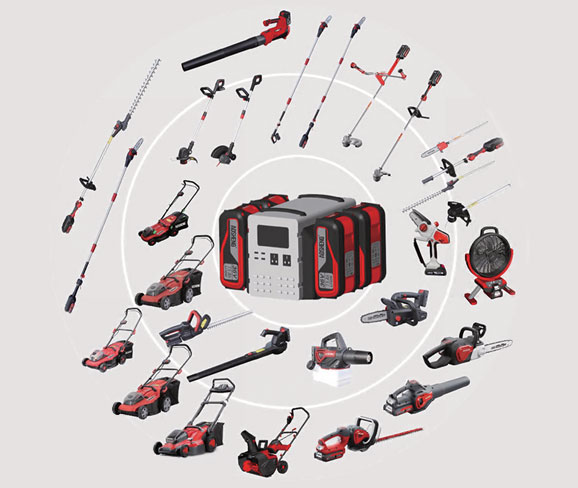
Many manufacturers now design battery platforms that are cross-compatible across multiple tools — the same pack can power a mower, trimmer, leaf blower, and hedge cutter. This platform approach reduces total equipment cost and simplifies inventory for both end-users and distributors.
When selecting a lithium battery lawn mower, focus on three measurable specifications: voltage platform, amp-hour (Ah) capacity, and battery chemistry. A 40V/4Ah configuration suits small residential lawns up to a quarter-acre, while 60V–80V platforms with 5Ah or higher capacity are better suited for medium properties and light commercial use. For half-acre or larger lawns, dual-battery designs or 10Ah single packs offer the most consistent performance without mid-job interruptions.
For year-round users in colder climates, LiFePO4 chemistry offers the best cold-weather stability and the longest cycle life. For users prioritizing the lightest possible weight or the highest peak power for tough grass conditions, NMC packs remain a strong choice. In all cases, prioritize mowers whose battery system is certified to recognized safety standards such as UL 2271 or IEC 62133, which validate the pack's electrical and thermal safety.
The lithium battery lawn mower category has moved past its early-adopter phase. Mass-market adoption is now driven by a combination of regulatory pressure, falling cell costs, and rising user expectations for quiet, low-maintenance equipment. Industry forecasts continue to point toward sustained double-digit growth in cordless outdoor power equipment over the next decade, with battery-powered mowers projected to overtake gasoline models in unit sales across several major markets.
Technological progress is also accelerating. Solid-state and silicon-anode chemistries currently in development promise even higher energy density and faster charging in the coming years. Improvements in BMS firmware, smart connectivity, and predictive maintenance features will further close any remaining performance gap with gasoline equipment.
A lithium battery lawn mower is no longer simply an eco-friendly alternative — it has become the most cost-effective, low-maintenance, and reliable choice for modern lawn care. With the right voltage platform, quality cells, and properly certified safety systems, it delivers performance that matches or exceeds gasoline equipment across most residential and light-commercial use cases. For procurement teams, distributors, and end-users planning equipment purchases for the next five to ten years, lithium-powered mowers represent the most future-proof investment available today.
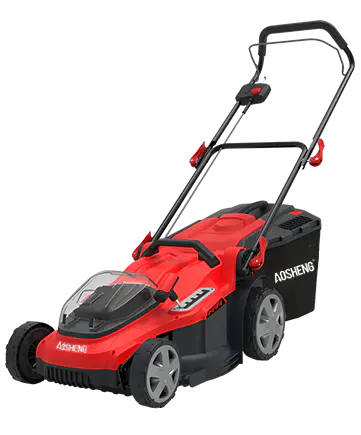
Deck Size:40CM/16INCH 3-in-1 function: Mulching, rear bagging&side discharge Easy-to-use fold-in system
See Details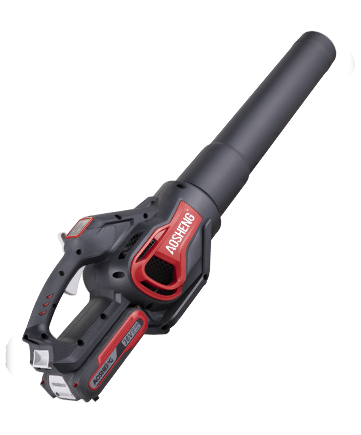
Turbine boost functionBig air volumeInstant startBackpack option for extra battery power
See Details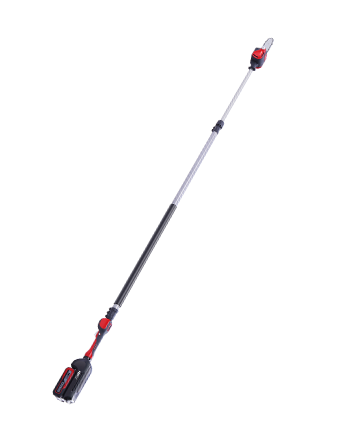
Extension height of 400cmOregon Bar & ChainTool-less chain tension systemAutomatic oiling systemBackpack option for extra battery power
See Details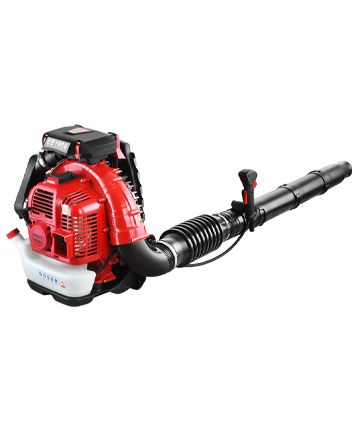
Extremely comfortable adjustable handle Large capacity fuel tank The largest air volume in China Use fire-retardant pipes to extinguish the fire Luxury widen & thicken straps Patented engine reac...
See Details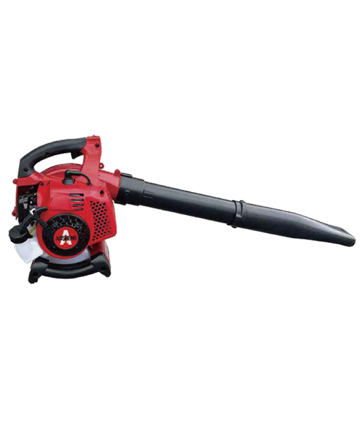
Suction and blowing Euro 5 certification Rubber-coverd handle, Strength nylon collecter.
See Details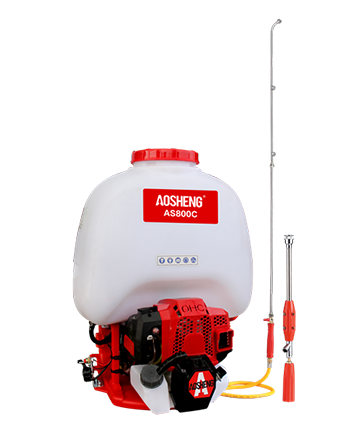
High preformence engine with high quality accessories. Copper meterial pressure pump, corrosion resistance.high atomization effect. Used in agriculture,eqidemic prevention, and disinfection.
See Details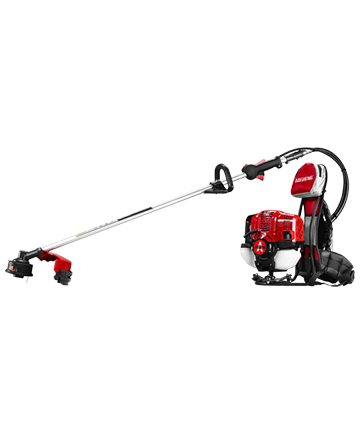
Professional engine, strength power.low consumption, easy to start.Rotating 360°Comfortable control handle and sponge belt. The trimmer head can offer a 460mm cut width. alloy blade diameter is 10 inc...
See Details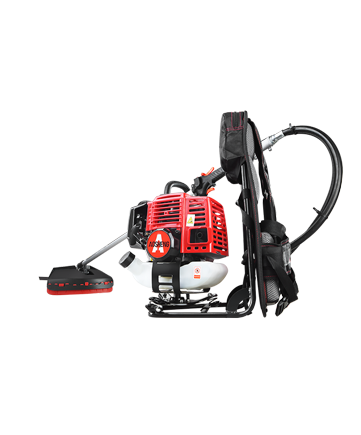
High-performance engine, displacement is 33CC.Professional use opens up wastelandTube size 26mm*1.5mm, strength flexible shaft.Cutting width is 420mmLifetime over 150hours
See Details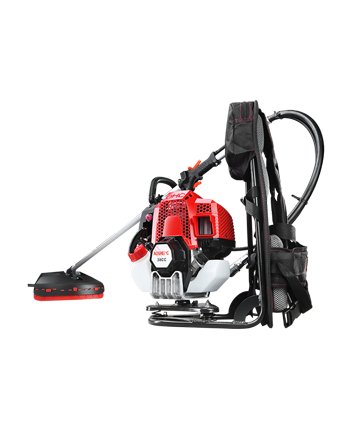
High-performance 4-stroke engine,displacement is 38CC. Professional use in the open-up wasteland Tube size 26mm*1.5mm, strength flexible shaft.Cutting width is 420mm Life time over 150hours New design...
See Details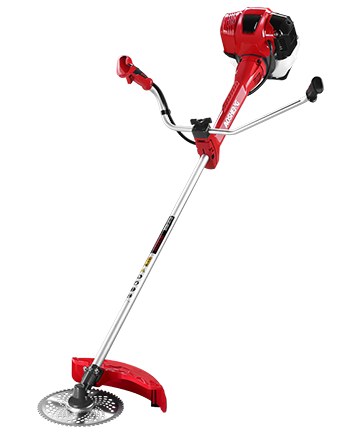
Professional engine, strength power. low consumption, easy to start.Rotating 360°The pole part uses a damper cover. The control handle can rotate 180° to decrease absorption. Rubber-covered handles ma...
See Details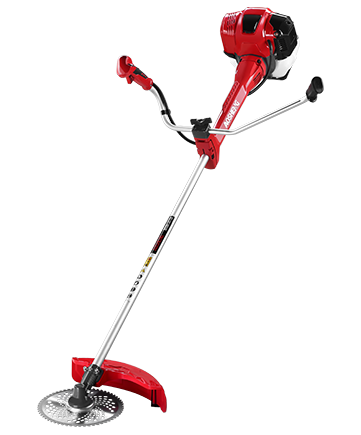
Professional engine, strength power. low consumption, easy to start. Rotating 360° The Pole part uses a damper cover. The control handle can be rotated 180° to decrease absorption. Rubber-covered hand...
See Details