

 English
 Español

news
Home / News / Industry News / Why Is My Chainsaw Smoking? Bar Oil, Chain Tension and Engine Causes Explained
Home / News / Industry News / Why Is My Chainsaw Smoking? Bar Oil, Chain Tension and Engine Causes Explained

Content
Twenty minutes into a stack of firewood, you notice a thin ribbon of smoke rising off the guide bar. The instinct to finish the log and check later is exactly how a serviceable chain turns into a scorched bar, or worse, a seized engine. A smoking chainsaw comes down to one of two root causes: too much friction where the chain meets the bar, or a problem inside the engine. Friction smoke can wreck a bar and chain within minutes; engine smoke can score the piston and end the saw outright. Both call for an immediate stop. The encouraging part is that nearly every smoking saw can be diagnosed in about five minutes with gloves, a file and a quick look at the oil tank, and most causes come down to habits you can prevent.
Release the throttle, engage the chain brake and shut the saw off. A smoking saw is generating heat faster than it can shed it, and every extra second of cutting adds damage. Give the bar and engine a few minutes to cool before you handle anything, and wear gloves when you do.
Location tells you most of the story. Smoke drifting from the tip of the bar or from the cut itself points to friction between the chain, the bar and the wood. Smoke rising from the engine housing, the cylinder area behind the handle, points to combustion or cooling trouble. One nuance is worth knowing: a faint wisp during a long, hard cut can simply be bar oil vaporizing, which is normal. Thick, continuous smoke that appears quickly, persists at idle or arrives with a hot bar and fading power is a fault signal, not a quirk.
Friction smoke means the chain is generating heat faster than the bar oil can carry it away. Work through the four causes below in order. The first two account for most cases in the field, and cutting technique contributes as well: a bar pinched in a closing cut, or a bore made with a tired chain, heats up fast even on a sharp saw.
An over-tight chain drags against the bar rails on every revolution, and that constant contact heats the bar until the oil on it smokes. It is the single most common cause of a smoking bar. With gloves on, pull the chain at the middle of the bar: the drive links should lift just clear of the groove, a millimetre or two, and drop back in, while the chain still rotates freely by hand. If it sits rigid and will not budge, loosen it. New chains stretch noticeably during their first minutes of work, so recheck tension several times on a fresh chain's first day.
A sharp chain peels off curly chips; a dull one grinds out fine powder and dumps its friction heat straight into the bar. If you find yourself leaning on the saw, or the sawdust under the cut looks like flour, the chain is done for that session. Sharpen it or swap in a spare. Cutting near the ground or through gritty bark dulls a chain quickly, so those cuts deserve a mid-day touch-up.
The chain needs a continuous film of oil, and the delivery system has three common failure points: an empty tank, a blocked oilway, or the wrong oil. Refill bar oil every time you refuel, because on a healthy saw the two tanks empty at roughly the same rate. Clear the oil outlet hole and the groove along the bar edge with a small pick, and never use waste engine oil, which flows poorly in both summer and winter. To confirm delivery, hold the bar tip a few centimetres from a stump and run the saw at full throttle for about fifteen seconds; you should see oil flick onto the surface.
Pinched or burred rails squeeze the oil groove shut, and a chain with the wrong pitch or gauge will not seat or oil correctly at all. Run a bar file along the rails to dress the burrs, flip the bar over to spread the wear, and replace the bar once the groove wears uneven. When buying replacements, match the pitch and gauge printed on the bar, not just the length.
Engine smoke smells different, burnt fuel and oil from the cylinder area, and it usually arrives with a loss of power. The color narrows the diagnosis considerably.
Black smoke means unburnt fuel, too much gasoline and not enough air. The usual suspects are a clogged air filter, a choke left partially closed after warm-up, or stale fuel. Clean or replace the filter, confirm the choke is fully open once the engine warms, and drain old fuel in favor of a fresh mix. If the saw still runs black after that, the carburetor needs professional adjustment.
Two-stroke saws burn oil mixed directly into the gasoline, so an over-rich oil ratio burns blue and fouls the spark plug. Mix to the ratio printed in your manual, commonly 40:1 or 50:1, using fresh two-stroke oil. Shake the can before pouring, and use mixed fuel within about a month.
On an air-cooled two-stroke, white smoke together with fading power usually means the engine is running hot and lean. Blocked cooling fins under the starter housing, a clogged spark arrestor and a dirty filter all contribute. Shut the saw down immediately: continued running at that temperature can score the piston and cylinder, which ends most saws on the spot.
Electric and battery saws smoke for mechanical reasons only. An overloaded motor, caused by a dull chain, a pinched bar or simply forcing the cut, is the usual culprit, followed by an overheated battery pack. On corded models, an extension cord that is too long or too thin for the saw's rating drops voltage and heats the motor, so match the cord gauge to the tool. Let the unit cool, sharpen the chain, then resume. If you are stepping up to a cordless platform for regular cutting, the 40V class offers the sustained power most homeowners need for storm cleanup and firewood without any fuel mixing at all.
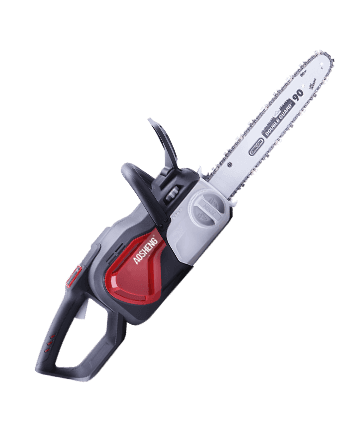 40V 16-Inch Lithium-Ion Cordless ChainsawWith a brushless motor, two speed settings, tool-less chain tensioning and automatic oiling, this 40V saw suits homeowners needing sustained cutting power for storm cleanup and firewood without fuel mixing or smoke from voltage drop.View Product →
Use this quick reference to match what you are seeing to the most likely fix before you order parts or book a service.
| What you see | Most likely cause | First check | Typical fix |
|---|---|---|---|
| Smoke from the bar tip, fine pale sawdust | Chain too tight | Lift the chain at mid-bar with gloves | Loosen until drive links lift slightly, recheck often |
| Smoke along the bar, flour-like sawdust | Dull chain | Inspect cutter edges and chip shape | Sharpen or replace the chain |
| Smoke with dry, shiny bar rails | No bar oil delivery | Oil level, outlet hole, groove | Refill, clear the oilway, run the flick test |
| Black smoke, sputtering power | Rich fuel mixture | Air filter and choke position | Clean the filter, fresh fuel, open the choke |
| Blue smoke, fouled spark plug | Too much oil in the mix | Fuel ratio versus the manual | Remix at the specified ratio |
| White smoke, fading power, hot fins | Overheating, lean running | Cooling fins and spark arrestor | Stop, clean, let the engine cool fully |
A surprising share of chronic smoking is not a defect at all but a size mismatch. A compact saw forced through hardwood above its class runs flat-out with a heavily loaded chain, and heat is the inevitable by-product. Being honest about your typical workload is the cheapest overheating fix there is, and both gasoline and lithium platforms follow the same rule: a sharp, properly oiled chain running at the right load stays cool, whatever the power source.
For felling small trees and bucking firewood, a gas saw in the 20-inch class carries enough capacity to cut without being pushed to its limit, and it keeps working wherever a fuel can reaches.
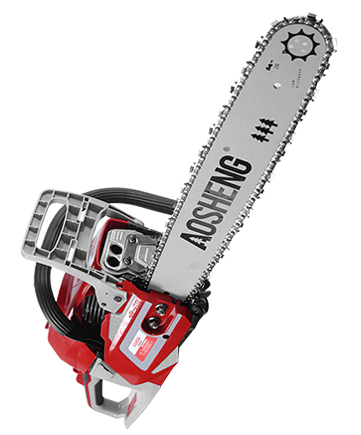 20-Inch Gas ChainsawA gas saw in the 20-inch class provides the capacity to fell small trees and buck firewood without being pushed to its limit. Its aluminum crankcase, responsive brake and efficient carburetor keep it cutting wherever a fuel can reaches.View Product →
For light seasonal pruning, small limbs and occasional yard cleanup, a compact 20V cordless saw keeps the weight down and the noise low, and it starts the moment you squeeze the trigger.
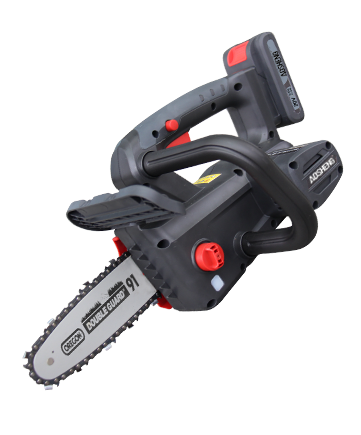 20V Cordless ChainsawFor light seasonal pruning, small limbs and occasional yard cleanup, this compact 20V saw keeps weight and noise low and starts instantly. Combined with a simple weekly maintenance routine, it helps prevent the overheating and smoke issues described.View Product →
Prevention costs less than any repair on this list, and it fits inside a refueling stop. Keep the chain sharp before it starts producing dust, check tension every time you fill the tank, top up bar oil with every fuel fill, blow the cooling fins clean at the end of the day, and mix fresh two-stroke fuel at the specified ratio. A short chainsaw maintenance routine done weekly covers all of it and keeps smoke off the job site for good.
Smoke is feedback, not bad luck. Read where it comes from, match it to the cause, fix the small problem while it is still a small problem, and the saw that is smoking today will still be cutting cleanly years from now.
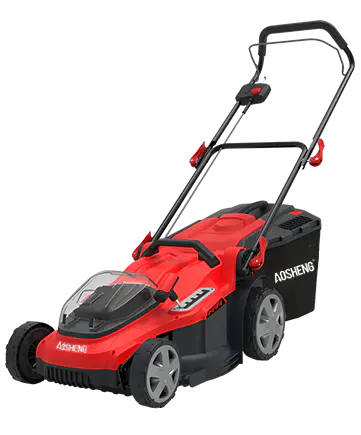
Deck Size:40CM/16INCH 3-in-1 function: Mulching, rear bagging&side discharge Easy-to-use fold-in system
See Details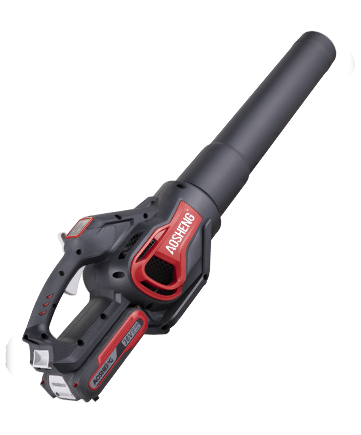
Turbine boost functionBig air volumeInstant startBackpack option for extra battery power
See Details
Extension height of 400cmOregon Bar & ChainTool-less chain tension systemAutomatic oiling systemBackpack option for extra battery power
See Details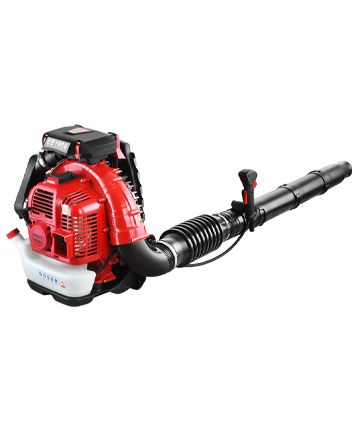
Extremely comfortable adjustable handle Large capacity fuel tank The largest air volume in China Use fire-retardant pipes to extinguish the fire Luxury widen & thicken straps Patented engine reac...
See Details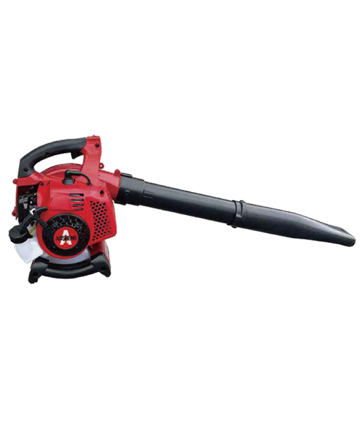
Suction and blowing Euro 5 certification Rubber-coverd handle, Strength nylon collecter.
See Details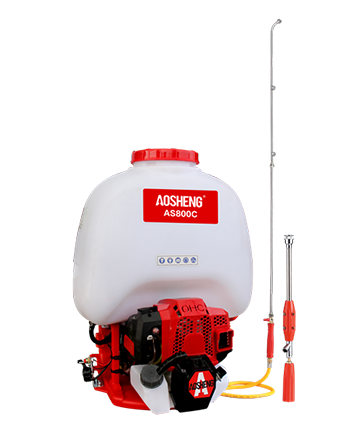
High preformence engine with high quality accessories. Copper meterial pressure pump, corrosion resistance.high atomization effect. Used in agriculture,eqidemic prevention, and disinfection.
See Details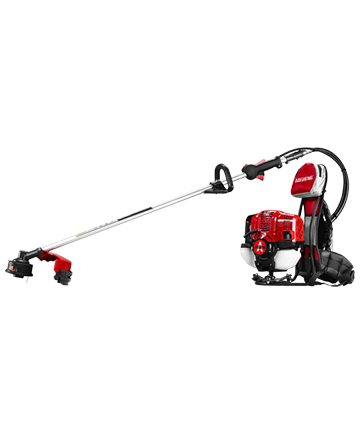
Professional engine, strength power.low consumption, easy to start.Rotating 360°Comfortable control handle and sponge belt. The trimmer head can offer a 460mm cut width. alloy blade diameter is 10 inc...
See Details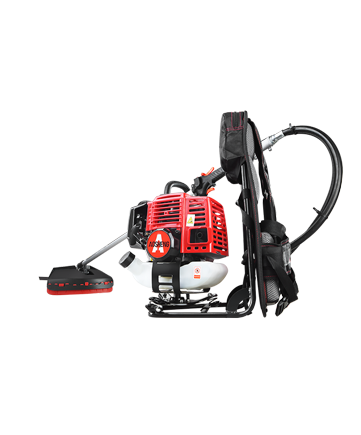
High-performance engine, displacement is 33CC.Professional use opens up wastelandTube size 26mm*1.5mm, strength flexible shaft.Cutting width is 420mmLifetime over 150hours
See Details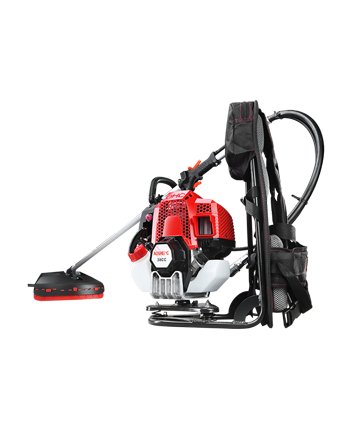
High-performance 4-stroke engine,displacement is 38CC. Professional use in the open-up wasteland Tube size 26mm*1.5mm, strength flexible shaft.Cutting width is 420mm Life time over 150hours New design...
See Details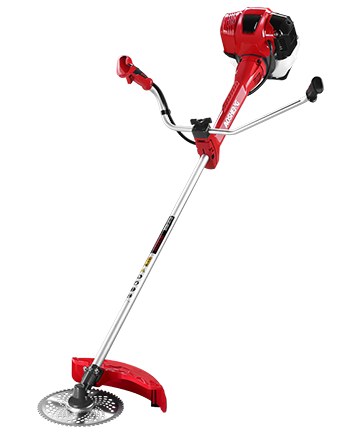
Professional engine, strength power. low consumption, easy to start.Rotating 360°The pole part uses a damper cover. The control handle can rotate 180° to decrease absorption. Rubber-covered handles ma...
See Details
Professional engine, strength power. low consumption, easy to start. Rotating 360° The Pole part uses a damper cover. The control handle can be rotated 180° to decrease absorption. Rubber-covered hand...
See Details