

 English
 Español


news
Home / News / Why Is My Mower Overheating? Causes, Fixes & Brush Cutter Tips

Content
Mower overheating is one of the most common — and most damaging — problems operators face in the field. Whether you are running a gas-powered lawn mower on a large commercial property or using a brush cutter to clear dense vegetation along fence lines and roadsides, an engine that runs too hot is a warning you cannot afford to ignore. In most cases, overheating does not appear without reason: it is the direct result of blocked airflow, neglected maintenance, incorrect fuel mixtures, or operating conditions that push the machine beyond its design limits.
This article breaks down every major cause of mower overheating, explains the specific ways it affects brush cutters and related cutting equipment, and provides a step-by-step guide to diagnosing and fixing the problem before it leads to costly engine damage or complete machine failure. If your mower or brush cutter has been shutting down mid-task, losing power in hot weather, or producing a burning smell during operation, the answers you need are here.
Small engines — the kind used in both lawn mowers and brush cutters — are air-cooled. Unlike automotive engines, which rely on a liquid coolant system circulating through a radiator, these engines depend entirely on moving air to carry heat away from the cylinder head and engine block. That means any interruption to airflow directly translates into rising engine temperatures.
The engine's cooling fins, located on the outer surface of the cylinder, act as heat radiators. A rotating flywheel draws air in through a shroud and forces it across those fins. When grass clippings, dust, or dirt pack into the shroud or cover the fins, the cooling airflow is significantly reduced. Even a thin layer of compressed debris on the cooling fins can raise operating temperatures well beyond the engine's safe threshold.
For brush cutters, which often operate in thicker, drier vegetation than standard lawn mowers, this risk is compounded. Fine particles from dry grass, reeds, bamboo shoots, and weedy undergrowth circulate directly around the engine housing during cutting. Without regular cleaning between work sessions, buildup becomes severe in a matter of hours.
Beyond debris blockage, overheating in mowers and brush cutters also stems from issues inside the engine itself — fuel starvation, incorrect carburetor tuning, a faulty spark plug, or low oil level. Each of these creates conditions where combustion heat is not properly managed, and the engine temperature climbs as a result.
Understanding the specific causes helps you target the right fix quickly. The following are the most frequently reported reasons mowers and brush cutters overheat across professional and residential use:
This is the leading cause of overheating in both mowers and brush cutters. When the air intake screen on the engine shroud is blocked by grass clippings, chaff, or compacted dirt, the flywheel cannot pull in sufficient cooling air. The cooling fins — which are designed to dissipate heat — become insulated by debris rather than ventilated, and engine temperature rises sharply.
In professional brush cutter use, operators often work through dry scrub or dense roadside vegetation where debris is constant. Under these conditions, the engine shroud should be checked and cleared at least once per work session — not only at the end of the day.
Engine oil does two jobs simultaneously: it lubricates moving parts to reduce friction, and it carries heat away from internal components. When oil level drops below the minimum mark — or when oil has broken down and become thick, dark, and contaminated — both functions are compromised. Running a mower engine on low or degraded oil is one of the fastest paths to thermal damage, including warped cylinder heads and seized pistons.
For four-stroke mower engines, the oil should be checked before every use and changed according to the manufacturer's recommended interval — typically every 50 hours of operation or at the start of each season, whichever comes first. Two-stroke brush cutter engines use a premixed fuel-oil combination, so incorrect mixing ratios can similarly result in insufficient lubrication and overheating.
Most brush cutters on the market use two-stroke engines, which require a precise mixture of gasoline and two-stroke engine oil. Running a brush cutter on straight gasoline, or on a mixture with too little oil, destroys engine lubrication almost instantly and generates extreme heat. Conversely, an overly rich oil mixture causes fouled spark plugs and incomplete combustion, also contributing to elevated engine temperatures.
Always follow the ratio specified in your brush cutter's manual — commonly 25:1, 40:1, or 50:1 (gasoline to oil by volume). Use fresh fuel; gasoline that has been stored for more than 30 days begins to degrade and can affect combustion efficiency and engine temperature control.
A dirty or clogged air filter restricts the amount of air reaching the carburetor. This creates a fuel-rich, air-lean combustion mixture that burns hotter and less efficiently. Over time, an engine running on a blocked air filter will experience sustained elevated temperatures, reduced power output, and increased fuel consumption.
Foam air filters can typically be cleaned with warm soapy water, dried thoroughly, and lightly re-oiled before reinstalling. Paper cartridge filters used in some larger mower engines should be replaced rather than washed. For brush cutters used in dusty or dry brush environments, air filter inspection should happen daily.
A worn, fouled, or incorrectly gapped spark plug causes misfires — moments where the fuel-air mixture does not ignite at the right time. Incomplete combustion leaves unburned fuel in the cylinder, which generates heat without useful mechanical output. A spark plug that is past its service life can cause intermittent misfires that build heat gradually, making the problem harder to detect until the engine shuts down.
Spark plugs for brush cutters and small mower engines are inexpensive and should be replaced each season or after approximately 100 hours of use. Always check the electrode gap against the specification in the machine's manual — even a new plug will perform poorly if the gap is wrong.
Cutting in extremely hot ambient temperatures, at high altitude, or through very dense and thick vegetation all place additional thermal load on the engine. When ambient temperatures exceed 35°C (95°F), the cooling air available to the engine is already warmer, reducing the temperature differential that drives heat dissipation.
In these conditions, the most practical measures are to schedule work during cooler parts of the day, build in more frequent rest periods to allow the engine to cool down, and ensure that maintenance intervals are shortened — particularly for air filter cleaning and cooling fin inspection.
Catching overheating early prevents the kind of damage that requires partial or full engine replacement. The following symptoms indicate that your machine's temperature is climbing beyond safe limits:
While the fundamental causes of overheating are shared between lawn mowers and brush cutters, the way the problem presents — and the maintenance approach required — differs significantly between the two types of machines. Understanding these differences helps you apply the right solution faster.
| Factor | Lawn Mower | Brush Cutter |
|---|---|---|
| Engine type | Typically 4-stroke | Typically 2-stroke |
| Lubrication | Separate engine oil reservoir | Fuel-oil premix |
| Main debris source | Grass clippings, lawn dust | Dry chaff, reeds, fine particles |
| Cooling fin blockage risk | Moderate | High (dense vegetation) |
| Operator position | Behind the machine | Engine near body / shoulder harness |
| Air filter inspection frequency | Every 25 hours | Daily in dusty conditions |
| Spark plug interval | Every season or 100 hours | Every season or 100 hours |
| Heat impact on operator | Low (engine away from user) | Higher (engine near upper body) |
One critical distinction: because brush cutters are carried by the operator and held close to the body, an overheating engine presents not just a mechanical risk but a potential burn hazard. If a brush cutter engine becomes uncomfortably hot to the touch during operation, this is a serious signal that requires immediate shutdown — not just a brief pause. Set the machine down on a clear surface away from dry vegetation, and do not restart until the engine has fully cooled and the underlying cause has been identified.
When a mower or brush cutter overheats, working through a logical diagnosis sequence saves time and prevents misdiagnosis. Follow these steps in order — each step eliminates a category of cause before moving to the next.
If all of the above checks come back normal and the engine still overheats, the issue may be internal — such as worn piston rings causing blow-by, a damaged head gasket allowing combustion gases to escape improperly, or valve damage in four-stroke engines. These conditions require disassembly and professional evaluation.
The most reliable way to keep a mower or brush cutter running at a safe temperature is consistent, scheduled maintenance. The table below outlines a practical maintenance schedule that applies to both standard lawn mowers and brush cutters used in professional cutting applications.
| Maintenance Task | Frequency | Applies To |
|---|---|---|
| Clear cooling fins and air intake screen | After every use | Both |
| Check engine oil level | Before every use | 4-stroke mowers |
| Verify fuel-oil mixture ratio | Every refuel | 2-stroke brush cutters |
| Inspect and clean air filter | Every 25 hours / daily in dusty conditions | Both |
| Replace air filter | Every season or when damaged | Both |
| Change engine oil | Every 50 hours or once per season | 4-stroke mowers |
| Inspect / replace spark plug | Every 100 hours or annually | Both |
| Clean or service carburetor | Annually or when performance drops | Both |
| Inspect muffler for carbon buildup | Every season | Both |
| Full engine inspection | Annually before season start | Both |
Sticking to this schedule does not just prevent overheating — it preserves the full performance output of the machine, reduces fuel consumption, extends service life, and lowers the total cost of ownership over time. A brush cutter or mower that receives consistent care will deliver reliable, full-power performance season after season, with far fewer unexpected breakdowns.
Maintenance covers the machine side of the equation, but the way an operator uses a mower or brush cutter has a direct and measurable impact on engine temperature. Poor technique pushes the engine harder than it was designed to run, generating excess heat even on a well-maintained machine.
Running a brush cutter at full throttle continuously for extended periods without pause is one of the most common operator-driven causes of overheating. Small two-stroke engines are designed for intermittent high-load use. Sustained wide-open-throttle operation — particularly in dense or wet vegetation that creates high resistance — keeps the engine under constant thermal stress. Building in short rest intervals every 20 to 30 minutes of cutting, especially in hot weather, allows the engine temperature to stabilize.
For lawn mowers, cutting grass that is excessively wet and heavy forces the engine to work significantly harder than when cutting dry grass at the same height. When conditions require cutting wet or very long grass, reducing the cutting width (for ride-on machines) or slowing the walking pace (for push mowers) reduces engine load and corresponding heat output.
On slopes, pushing a mower uphill or angling a brush cutter against a steep bank increases the mechanical load on the drive system and engine together. This is another scenario where throttle management — running slightly below maximum — and taking strategic breaks helps manage engine temperature effectively.
Ignoring the early signs of overheating — or continuing to operate a machine that has already shown thermal warnings — leads to progressively worse and more expensive damage. Understanding what actually happens inside an overheating engine underlines why early intervention matters.
Every instance of severe overheating that is allowed to continue to engine shutdown shortens engine life measurably. Even if the machine restarts and appears to run normally afterward, internal components have been stressed in ways that accelerate wear. Repeated overheating events compound this damage over time.
Not all mowers and brush cutters handle thermal stress equally. When selecting equipment for demanding professional use — particularly in hot climates, extended daily operation, or heavy brush cutting work — thermal management design should be a key evaluation criterion alongside power output and cutting capacity.
Look for brush cutters and mowers with larger, more accessible cooling fin areas that are easier to clean between uses. Some professional-grade brush cutters include an enlarged air intake screen design specifically to reduce debris ingestion in dense cutting environments. Machines with accessible shroud removal — where the engine shroud can be detached without tools — make regular fin cleaning far more practical in the field.
For four-stroke mower engines, models with a larger oil capacity relative to engine displacement provide more thermal buffering — more oil volume means slower oil temperature rise under sustained load. Always verify that any brush cutter or mower being considered for professional use carries the appropriate engine displacement for the vegetation density and terrain type it will routinely encounter. An underpowered machine running near its performance limit under normal conditions will overheat far more readily than a correctly sized unit operating within its comfortable working range.
Manufacturers who invest in rigorous testing across diverse climate and vegetation conditions produce machines with better-calibrated thermal tolerances. Products backed by structured quality engineering and real-world field validation tend to sustain reliable performance across seasons and conditions far more consistently than those designed purely to a cost target.
Mower overheating is a preventable problem in the vast majority of cases. The conditions that allow an engine to reach dangerous temperatures — blocked cooling fins, inadequate lubrication, dirty air filters, degraded fuel — are all within the operator's control through routine maintenance and attentive operation.
For brush cutter operators in particular, the compact, high-revving nature of the two-stroke engine demands a higher frequency of basic checks than a larger mower engine. Daily air filter inspection, correct fuel-oil mixing at every refuel, and clearing the engine shroud after each work session are non-negotiable habits for anyone using a brush cutter professionally.
When an overheating event does occur, stop — identify the cause — fix it before resuming work. Operating through an overheating episode to finish a task is almost always a false economy: the engine damage that results will cost far more in downtime, parts, and repairs than the time saved by pushing through. Treating maintenance as a core part of the work, rather than an inconvenient addition to it, is what separates operators whose equipment performs reliably from those who face repeated breakdowns.
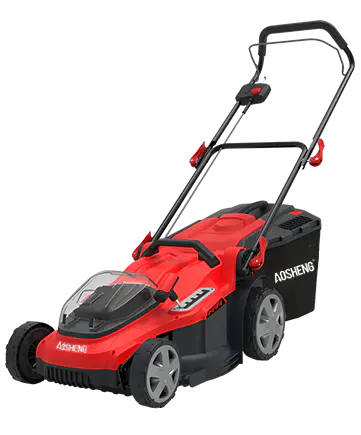
Deck Size:40CM/16INCH 3-in-1 function: Mulching, rear bagging&side discharge Easy-to-use fold-in system
See Details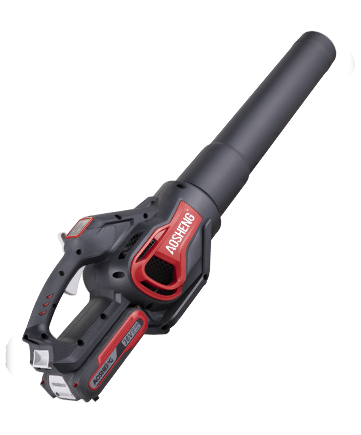
Turbine boost functionBig air volumeInstant startBackpack option for extra battery power
See Details
Extension height of 400cmOregon Bar & ChainTool-less chain tension systemAutomatic oiling systemBackpack option for extra battery power
See Details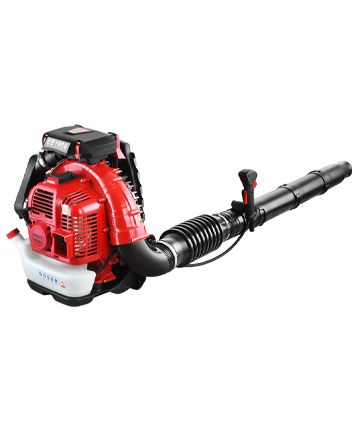
Extremely comfortable adjustable handle Large capacity fuel tank The largest air volume in China Use fire-retardant pipes to extinguish the fire Luxury widen & thicken straps Patented engine reac...
See Details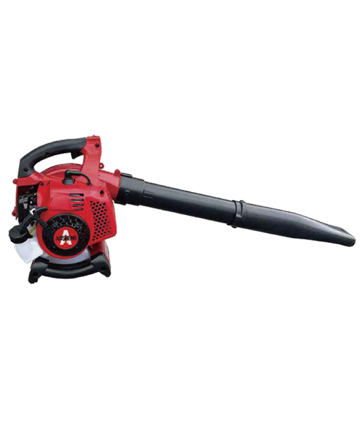
Suction and blowing Euro 5 certification Rubber-coverd handle, Strength nylon collecter.
See Details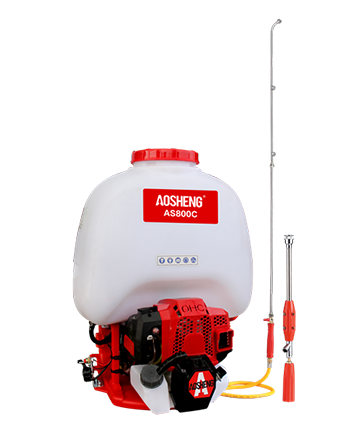
High preformence engine with high quality accessories. Copper meterial pressure pump, corrosion resistance.high atomization effect. Used in agriculture,eqidemic prevention, and disinfection.
See Details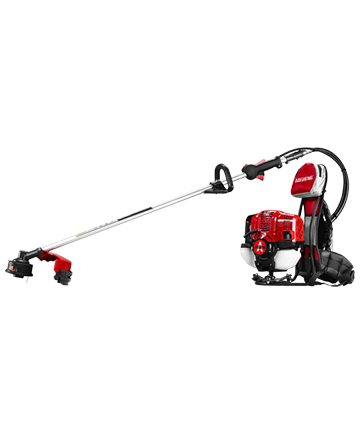
Professional engine, strength power.low consumption, easy to start.Rotating 360°Comfortable control handle and sponge belt. The trimmer head can offer a 460mm cut width. alloy blade diameter is 10 inc...
See Details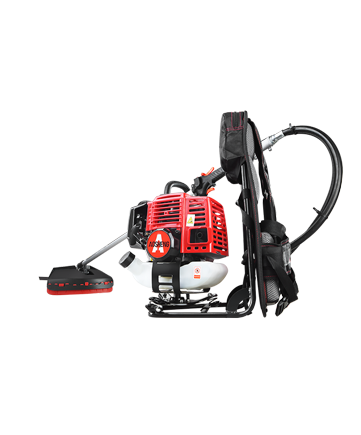
High-performance engine, displacement is 33CC.Professional use opens up wastelandTube size 26mm*1.5mm, strength flexible shaft.Cutting width is 420mmLifetime over 150hours
See Details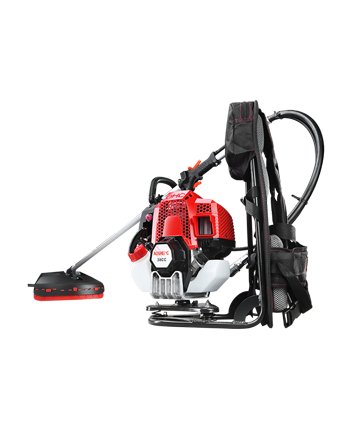
High-performance 4-stroke engine,displacement is 38CC. Professional use in the open-up wasteland Tube size 26mm*1.5mm, strength flexible shaft.Cutting width is 420mm Life time over 150hours New design...
See Details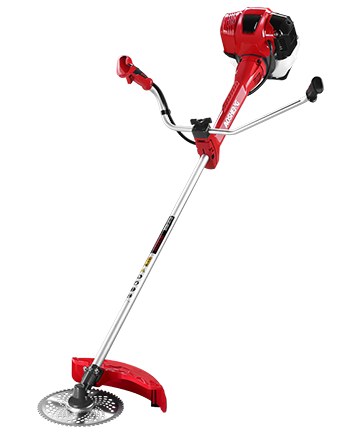
Professional engine, strength power. low consumption, easy to start.Rotating 360°The pole part uses a damper cover. The control handle can rotate 180° to decrease absorption. Rubber-covered handles ma...
See Details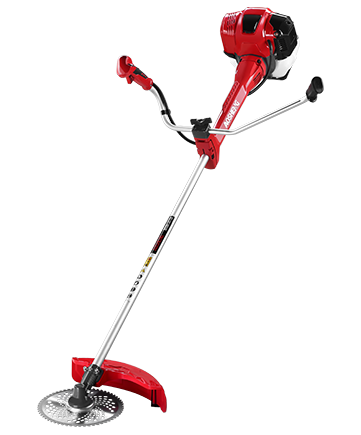
Professional engine, strength power. low consumption, easy to start. Rotating 360° The Pole part uses a damper cover. The control handle can be rotated 180° to decrease absorption. Rubber-covered hand...
See Details