

 English
 Español

news
Home / News / Industry News / Different Chainsaw Chain Types Explained: Pitch, Gauge, Cutter Styles and More
Home / News / Industry News / Different Chainsaw Chain Types Explained: Pitch, Gauge, Cutter Styles and More

Content
Buying a replacement chainsaw chain can feel like decoding an engineering datasheet. The package lists numbers such as .325, 1.5 mm, and 72, and the cutter shape has a name you have never seen. But the system is simpler than it looks: match the pitch, gauge, and drive links first, then choose the cutter style and tooth arrangement that fit the wood you cut and the power of your saw.
Every chain has three non-negotiable dimensions: pitch, gauge, and number of drive links. Pitch is the distance between two consecutive drive links divided by two. Gauge is the thickness of the drive link that rides in the bar groove. If the gauge is too small, the chain flops; if it is too large, it will not fit. The number of drive links determines the loop length and must match the combination of bar and sprocket.
Pitch is the most common source of confusion because it is expressed in fractions of an inch. The table below shows the main pitches you will encounter.
| Pitch | Typical Use |
|---|---|
| 1/4 inch | Light pruning chainsaws and small electric saws |
| 3/8 inch low profile | Homeowner cordless and small petrol saws |
| .325 inch | Mid-size petrol saws for firewood and general felling |
| 3/8 inch | Professional petrol saws with longer guide bars |
| .404 inch | Large saws used for milling and heavy industrial cutting |
Pitch and gauge tolerances are small. A one-thousandth-of-an-inch difference in gauge can determine whether the chain seats correctly in the bar groove. Manufacturers stamp this information on the chain drive link, but the stamp can be hard to read on a used chain. Measure the drive link thickness with a caliper when in doubt; a replacement with the wrong gauge will either bind or jump off the bar.
A 14-inch lithium chainsaw such as the H40LJ14 is designed around low-vibration, low-kickback chain geometry, so replacing it with the same pitch and a semi-chisel profile is usually the right move.
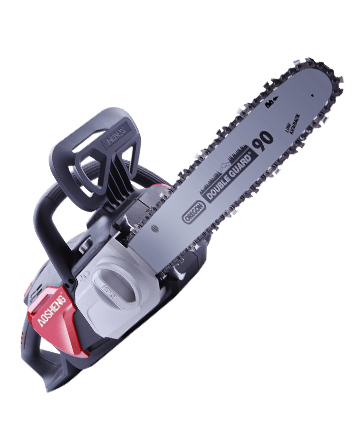 40V 14-Inch Lithium-Ion Chainsaw with Tool-less Chain TensioningThis battery-powered chainsaw features a low-kickback chain design, brushless motor, and automatic oiler. It pairs well with a semi-chisel replacement chain for consistent, controlled cutting.View Product →
If you are replacing a chain on a compact battery-powered saw, the safest approach is to copy the numbers on the old chain or look for the pitch marking near the bar heel. When the manual is missing, our team can help confirm the spec before you order.
Once the chain fits, the cutter shape controls how it behaves. Three profiles cover most saws, but a few specialized profiles also matter.
Full chisel is attractive on paper, but it is not always the best daily choice. If you cut branches, wet timber, or storm cleanup, semi-chisel will stay sharp longer and resist kickback better.
Chainsaw manufacturers tune each model to a particular chain family. The AS5800A powerful chainsaw, for example, is built for demanding firewood and felling work, where a full-chisel chain helps it make efficient, aggressive cuts.
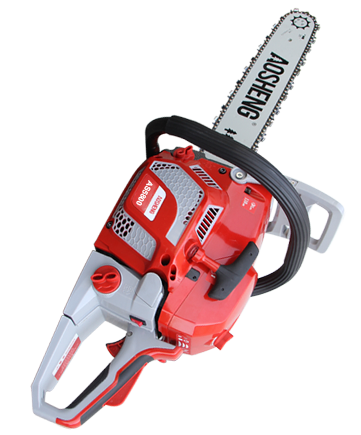 High-Performance Gas Chainsaw with Aggressive Full-Chisel ChainBuilt for demanding firewood and felling tasks, this powerful chainsaw offers a sensitive brake, high-efficiency carburetor, and durable construction. Its full-chisel chain suits efficient, aggressive cuts.View Product →
Cutter shape is one part of the story; the spaces between cutters are another. Chain arrangement tells you how many cutters are present for a given bar length.
Skip chains are not an upgrade for every saw. They are designed for situations where chip clearance is the limiting factor, such as large-diameter felling or milling. On a short bar, a full-house or semi-skip chain usually gives better results.
Drive links are the small tabs that fit into the bar groove and pull the chain around the sprocket. Count them carefully; one missing link means the chain is too short. The pitch and gauge are not enough. A 16-inch bar from one manufacturer can use a different number of drive links than a 16-inch bar from another, so always count the old chain before buying.
Do not rely on the bar length alone. The bar stamp usually lists the chain pitch and gauge, but the drive link count still depends on the exact combination of bar mount, sprocket, and nose design. This is why two chains with the same pitch and gauge can have different lengths.
Most chains are made from hardened chrome steel. It holds a useful edge and can be dressed quickly with a round file in the field. This is the right material for most firewood, branch work, and construction debris.
If the wood is contaminated with dirt, sand, or abrasive bark, chrome steel will dull quickly. Carbide-tipped chains last much longer in those conditions, but they cost more and require a diamond wheel to sharpen. For occasional dirty work, many users simply switch to a semi-chisel chain and accept more frequent filing instead of paying for carbide.
Work through these choices in order.
A homeowner cutting occasional branches should not buy a skip-tooth full-chisel chain; it will be harder to control and more likely to kick back. A professional felling large timber all day needs more speed and chip clearance. Match the chain to the saw and the job, not to the biggest number on the package.
For a compact battery-powered chainsaw like the H20LJ08, the low-kickback chain is part of the safety package. Keep the same pitch and replace it with a semi-chisel or low-profile chain to preserve both performance and control.
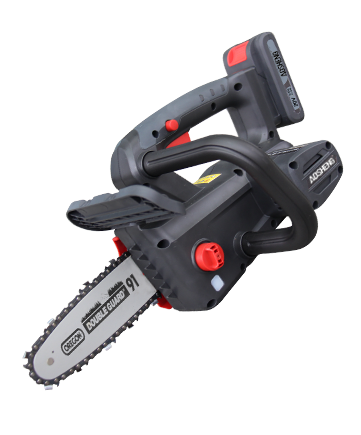 20V Cordless Chainsaw with Low-Kickback Safety ChainThis compact battery saw uses a low-kickback chain as part of its safety package. Keeping the same pitch and using a semi-chisel replacement preserves performance and control, while regular maintenance extends chain life.View Product →
Even the best chain loses its edge. A chain is only as safe as its tension, oiling, and sharpness. Check the drive links for wear, keep the bar groove clean, and follow the cutter angles printed on the package. Our practical guide to chainsaw maintenance walks through the routine in more detail.
Choosing among different chainsaw chain types is not about finding a magic upgrade. It is about matching the chain to saw power, bar length, wood condition, and your own skill level. Once those four factors line up, the saw performs the way it was designed to.
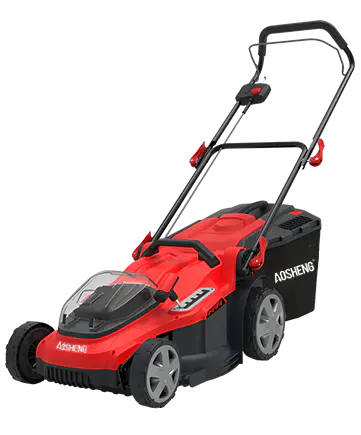
Deck Size:40CM/16INCH 3-in-1 function: Mulching, rear bagging&side discharge Easy-to-use fold-in system
See Details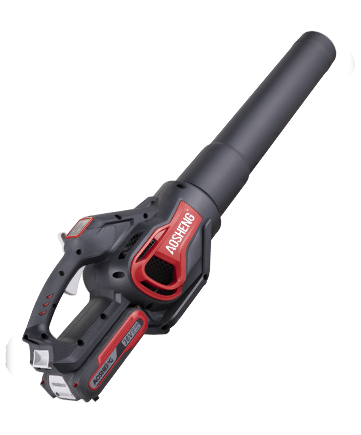
Turbine boost functionBig air volumeInstant startBackpack option for extra battery power
See Details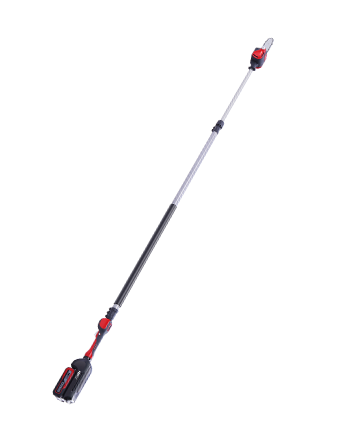
Extension height of 400cmOregon Bar & ChainTool-less chain tension systemAutomatic oiling systemBackpack option for extra battery power
See Details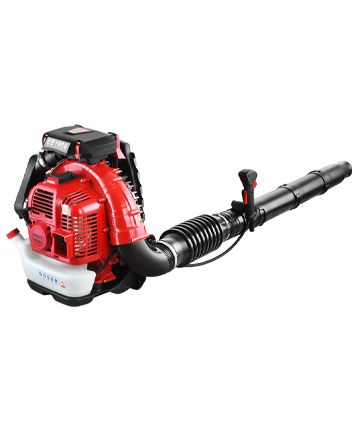
Extremely comfortable adjustable handle Large capacity fuel tank The largest air volume in China Use fire-retardant pipes to extinguish the fire Luxury widen & thicken straps Patented engine reac...
See Details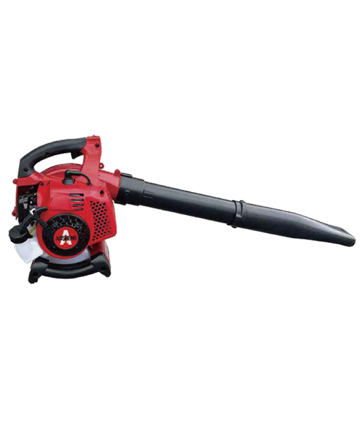
Suction and blowing Euro 5 certification Rubber-coverd handle, Strength nylon collecter.
See Details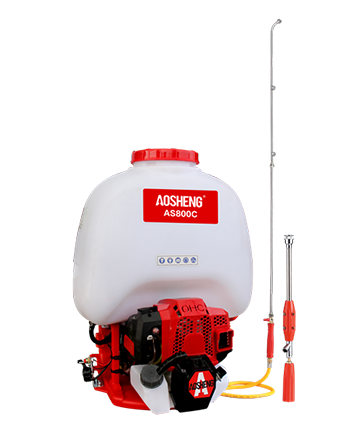
High preformence engine with high quality accessories. Copper meterial pressure pump, corrosion resistance.high atomization effect. Used in agriculture,eqidemic prevention, and disinfection.
See Details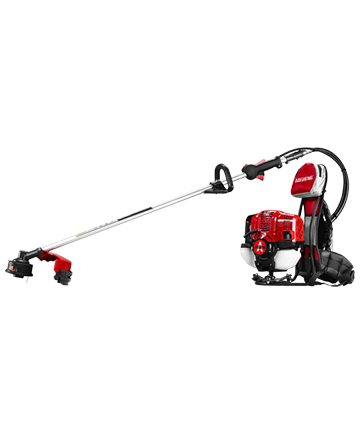
Professional engine, strength power.low consumption, easy to start.Rotating 360°Comfortable control handle and sponge belt. The trimmer head can offer a 460mm cut width. alloy blade diameter is 10 inc...
See Details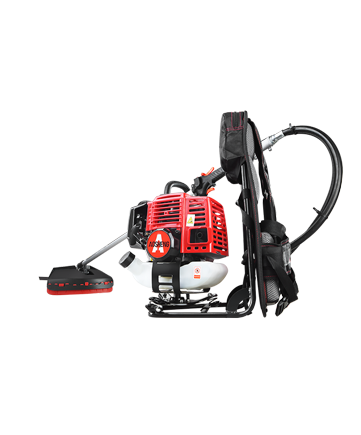
High-performance engine, displacement is 33CC.Professional use opens up wastelandTube size 26mm*1.5mm, strength flexible shaft.Cutting width is 420mmLifetime over 150hours
See Details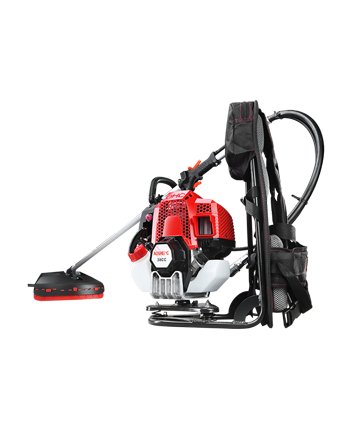
High-performance 4-stroke engine,displacement is 38CC. Professional use in the open-up wasteland Tube size 26mm*1.5mm, strength flexible shaft.Cutting width is 420mm Life time over 150hours New design...
See Details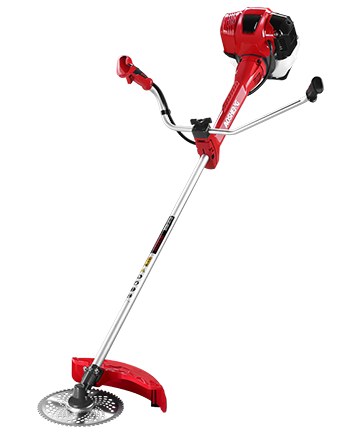
Professional engine, strength power. low consumption, easy to start.Rotating 360°The pole part uses a damper cover. The control handle can rotate 180° to decrease absorption. Rubber-covered handles ma...
See Details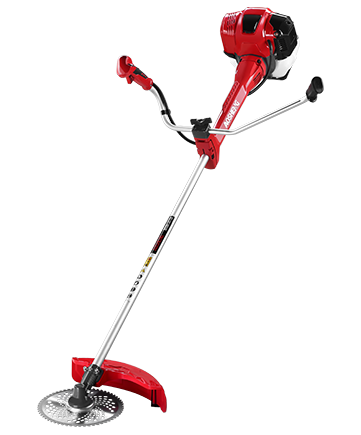
Professional engine, strength power. low consumption, easy to start. Rotating 360° The Pole part uses a damper cover. The control handle can be rotated 180° to decrease absorption. Rubber-covered hand...
See Details