

 English
 Español


news
Home / News / Industry News / How to Tune a 2-Stroke Carburetor: H and L Screw Guide for Small Engines
Home / News / Industry News / How to Tune a 2-Stroke Carburetor: H and L Screw Guide for Small Engines

Content
Your brush cutter starts on the third pull, idles unevenly, and dies the moment you squeeze the throttle lever. Before you order a replacement carburetor, try tuning: many running problems on 2-stroke machines come from an adjustment that has drifted, and the fix takes about ten minutes with a flat-blade screwdriver. The method is not guesswork. Reset the low-speed and high-speed screws to their baseline settings, then work in small steps while reading the engine's response. Most idle, bog, and full-throttle complaints disappear without new parts.
A diaphragm carburetor on a 2-stroke engine has three screws you need to understand before touching anything. The low-speed screw, usually labeled L, meters fuel through the pilot circuit from idle up to roughly one-quarter throttle. The high-speed screw, usually labeled H, controls the main circuit from about three-quarter throttle to full load. The idle speed screw, sometimes labeled T, does not change the mixture; it simply holds the throttle butterfly open a little to keep the engine running at the minimum speed you choose.
Turning a mixture screw clockwise closes it, which leans the mixture by reducing fuel flow; turning it counterclockwise opens it and richens the mixture. The standard baseline for most small 2-stroke carburetors is 1 to 1.5 turns out from lightly seated. This is only a starting point, but it is the reference that lets a mechanically healthy engine fire up and idle well enough to begin tuning. Some carburetors use plastic caps that limit screw travel; if you cannot reach the baseline, remove the caps.
| Screw | Circuit it feeds | Clockwise effect | Typical starting range |
|---|---|---|---|
| L (low-speed) | Pilot circuit, idle to 1/4 throttle | Leaner mixture | 1 to 1.5 turns out |
| H (high-speed) | Main circuit, 3/4 to full throttle | Leaner mixture | 1 to 1.5 turns out |
| Idle / T | Throttle butterfly stop | Raises idle speed | 1,500 rpm idle target |
The same procedure works on a handheld trimmer, a 2-stroke gasoline brush cutter, a chainsaw, or a sprayer; only the access to the screws changes. Work through the steps in order and change one thing at a time.
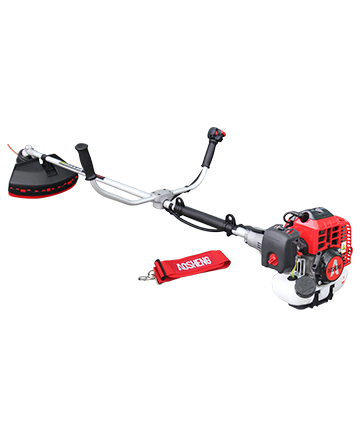 Wholesale G45 2-STROKE GASOLINE BRUSH CUTTER Suppliers, OEM/ODM Company - NingboNingbo Aosheng Machine Co., Ltd is a China G45 2-STROKE GASOLINE BRUSH CUTTER suppliers and company, specializing in wholesale G45 2-STRO...View Product →
Two mistakes are possible: the engine can run rich, with too much fuel in the mixture, or lean, with too little fuel. The symptoms are opposites, and the risk is not equal. A lean mixture burns hot enough to score a piston and seize the engine quickly, while a rich mixture fouls plugs, smokes, and wastes fuel but is unlikely to destroy the engine. Correct a lean condition first, and when you are not sure which side you are on, run slightly rich and work back carefully.
| Sign | Too rich | Too lean |
|---|---|---|
| Spark plug color | Black, dry or oily soot | White or grey insulator |
| Exhaust smoke | Heavy white or blue smoke | Thin, almost invisible smoke |
| Idle behavior | Rough, stalls, loads up | Fast, hunting idle |
| Throttle response | Bog, hesitation, four-stroking | Lean bog, then sudden surge |
| Engine temperature | Runs cooler than normal | Overheats quickly |
The spark plug is the most reliable feedback a 2-stroke engine gives you. After a full-throttle run, the insulator should be light tan. If the visible signs disagree with the plug color, trust the plug, because it records what combustion actually did.
A perfect tune only stays perfect for the conditions in which you set it. Air gets thinner with altitude, denser with cold, and humidity changes the amount of oxygen available, so a carburetor tuned in spring at sea level runs differently in winter or in the mountains. At high altitude the mixture becomes rich and the H screw usually needs to be closed by one-eighth to a quarter turn. In cold weather the mixture becomes lean, which is why 2-stroke engines often need the choke or a slightly richer setting in winter.
The fuel itself has to be right before the tune can be right. The oil in a 2-stroke mixture is the only lubrication the engine receives, so verify the fuel-to-oil ratio, typically 25:1 or 50:1, before you turn any screw. Field conditions move the settings too: agricultural machines such as a 2-stroke knapsack mist duster often switch between orchards, open fields, and hillsides, so re-check the H screw whenever the working altitude changes by more than a few hundred meters.
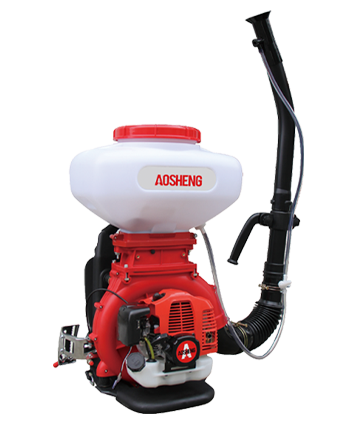 Wholesale 3WF-TU43 2-STROKE GASOLINE MIST DUSTER Suppliers, OEM/ODM Company - NiNingbo Aosheng Machine Co., Ltd is a China 3WF-TU43 2-STROKE GASOLINE MIST DUSTER suppliers and company, specializing in wholesale 3WF-TU...View Product →
If the mixture screws have no effect, or the engine still stumbles after a clean tune, the fault may lie elsewhere. A blocked jet, a stiff or torn diaphragm, a leaking crankcase seal, or a failing spark plug produces the same symptoms as a wrong mixture, and no amount of screw turning will fix them. A dirty air filter makes the mixture rich even with the carburetor set correctly, so clean it before you start. Old fuel, water in the tank, or an incorrect oil ratio also behave like carburetor faults from the operator's point of view.
If the engine will not start at all after the carburetor is clean and adjusted, work through the most common reasons a gasoline engine fails to start before buying parts. Once the engine runs, keep the tune stable with routine care; following the same habits used to extend the life of a brush cutter keeps the air filter, spark plug, and fuel system in the condition a reliable tune depends on.
A 2-stroke water pump shows how predictable a well-tuned engine should be. It runs at a fixed speed under load, so after a few minutes of pumping at full throttle, the spark plug color tells you whether the main jet is correct: black soot means close the H screw one-eighth of a turn, white means open it one-eighth of a turn, and a tan insulator means the carburetor is right.
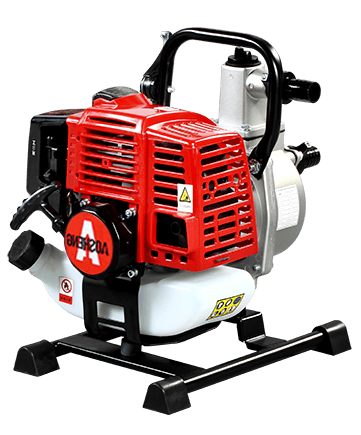 Wholesale QGZ25-30-5B 2 Stroke Water Pump Suppliers, OEM/ODM Company - Ningbo AoNingbo Aosheng Machine Co., Ltd is a China QGZ25-30-5B 2 Stroke Water Pump suppliers and company, specializing in wholesale QGZ25-30-5B 2...View Product →
Tuning a 2-stroke carburetor is a skill built on observation. The plug color, the smoke, the idle speed, and the throttle response each give you feedback, and the baseline settings give you a safe place to return to whenever the engine behaves unexpectedly. Change one screw at a time, re-check under real working conditions, and you will get clean starts, cooler running, and a longer working life from every 2-stroke engine you own.

Deck Size:40CM/16INCH 3-in-1 function: Mulching, rear bagging&side discharge Easy-to-use fold-in system
See Details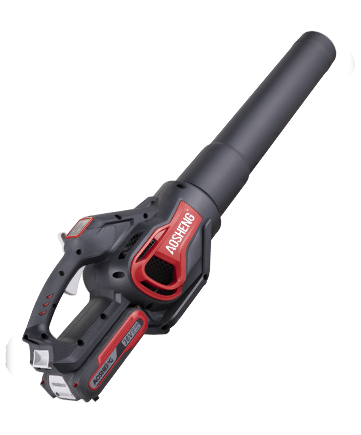
Turbine boost functionBig air volumeInstant startBackpack option for extra battery power
See Details
Extension height of 400cmOregon Bar & ChainTool-less chain tension systemAutomatic oiling systemBackpack option for extra battery power
See Details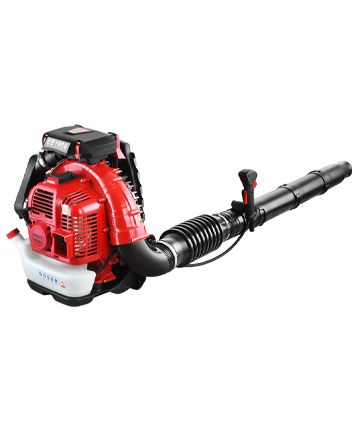
Extremely comfortable adjustable handle Large capacity fuel tank The largest air volume in China Use fire-retardant pipes to extinguish the fire Luxury widen & thicken straps Patented engine reac...
See Details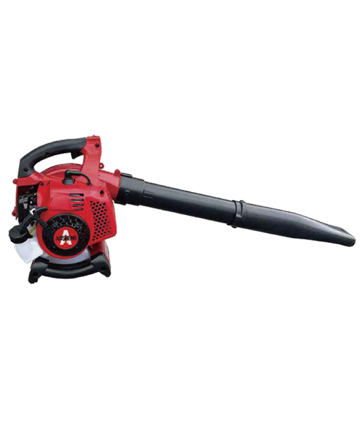
Suction and blowing Euro 5 certification Rubber-coverd handle, Strength nylon collecter.
See Details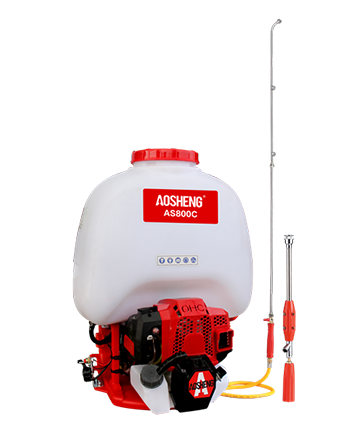
High preformence engine with high quality accessories. Copper meterial pressure pump, corrosion resistance.high atomization effect. Used in agriculture,eqidemic prevention, and disinfection.
See Details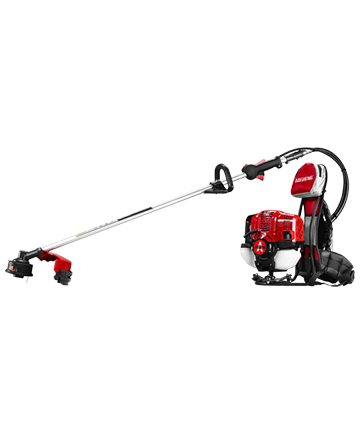
Professional engine, strength power.low consumption, easy to start.Rotating 360°Comfortable control handle and sponge belt. The trimmer head can offer a 460mm cut width. alloy blade diameter is 10 inc...
See Details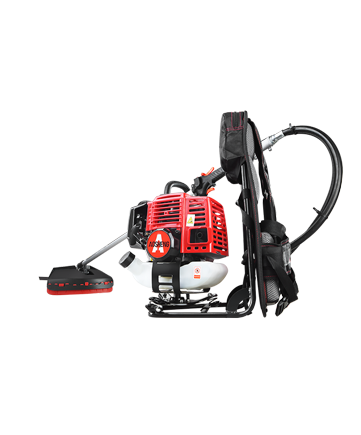
High-performance engine, displacement is 33CC.Professional use opens up wastelandTube size 26mm*1.5mm, strength flexible shaft.Cutting width is 420mmLifetime over 150hours
See Details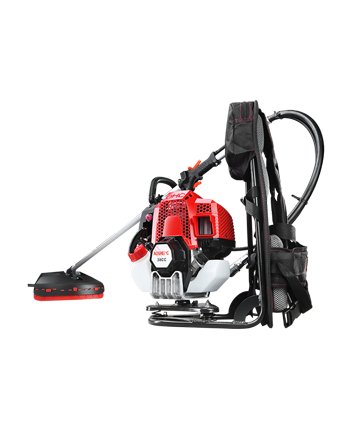
High-performance 4-stroke engine,displacement is 38CC. Professional use in the open-up wasteland Tube size 26mm*1.5mm, strength flexible shaft.Cutting width is 420mm Life time over 150hours New design...
See Details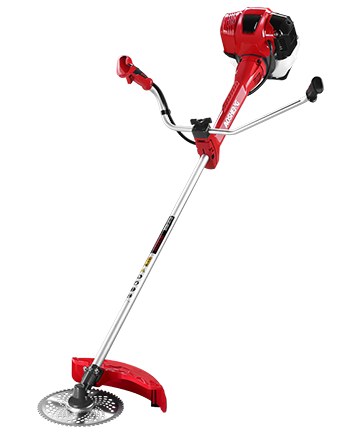
Professional engine, strength power. low consumption, easy to start.Rotating 360°The pole part uses a damper cover. The control handle can rotate 180° to decrease absorption. Rubber-covered handles ma...
See Details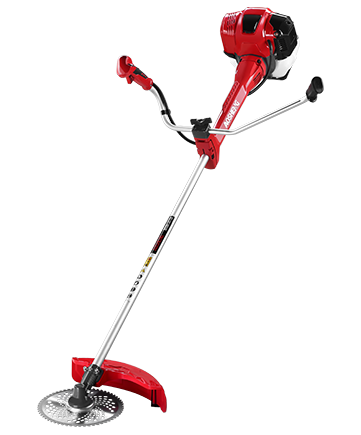
Professional engine, strength power. low consumption, easy to start. Rotating 360° The Pole part uses a damper cover. The control handle can be rotated 180° to decrease absorption. Rubber-covered hand...
See Details