

 English
 Español


News
Home / News
Your brush cutter starts on the first pull, idles for ten seconds, and then dies as soon as you open the throttle. Or it stays running but races at idle, smokes, and stumbles under load. Before you take the carburetor apart, try the fix that solves most of these complaints on small two-stroke engin...
Read More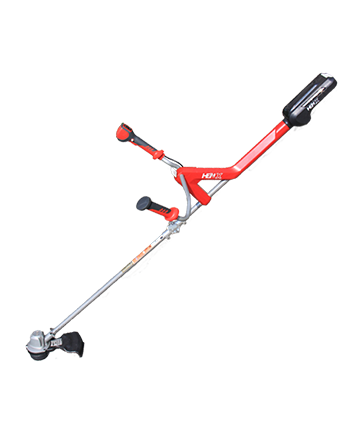
A landscaping crew calls in from a roadside green belt with a familiar complaint: the knapsack brush cutter fires up on half choke, runs for two minutes, then dies the moment the choke lever goes back down. Lift the lever again and the engine keeps going — rough, loud, short of power, but running. ...
Read More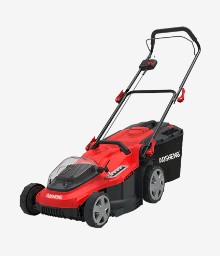
Adjusting the carburetor on a walk-behind mower comes down to three contact points: a low-speed mixture needle, a high-speed needle, and an idle speed screw. Warm the engine for five minutes, set the low-speed needle 1-1/4 to 1-1/2 turns out from lightly seated, bring idle to the figure in your eng...
Read More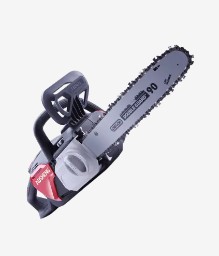
Two burned bars in one season is usually the point where a landscaping crew starts blaming the chain. The chain is rarely the culprit. When the bar rails turn blue, the drive links come back polished and dry, and the oil tank is still half full after a morning of cutting, the chain oil pump has sto...
Read More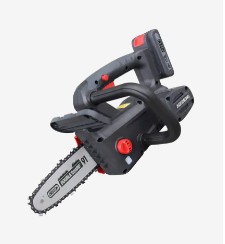
Buying a replacement chainsaw chain can feel like decoding an engineering datasheet. The package lists numbers such as .325, 1.5 mm, and 72, and the cutter shape has a name you have never seen. But the system is simpler than it looks: match the pitch, gauge, and drive links first, then choose the c...
Read More
You are halfway through a fence line and the brush cutter suddenly loses power every time the blade bites into thick weeds. The engine fires on the first pull of the cord, then sputters and dies before you can squeeze the throttle again. The spark plug is clean, the air filter is fresh, and the fue...
Read More
The oil spot appears like clockwork. You park the chainsaw after an afternoon of firewood cutting, and the concrete under the bar tip has a dark patch by morning. Most chainsaws leak a little bar oil, and a small residue under the bar is not a reason for alarm. Spots under the bar tip are normal. A...
Read More
Twenty minutes into a stack of firewood, you notice a thin ribbon of smoke rising off the guide bar. The instinct to finish the log and check later is exactly how a serviceable chain turns into a scorched bar, or worse, a seized engine. A smoking chainsaw comes down to one of two root causes: too m...
Read More
Your brush cutter starts on the third pull, idles unevenly, and dies the moment you squeeze the throttle lever. Before you order a replacement carburetor, try tuning: many running problems on 2-stroke machines come from an adjustment that has drifted, and the fix takes about ten minutes with a flat...
Read More
You pull the starter cord on your brush cutter or lawn mower, and the engine sputters once, then dies. Or it starts, but idles roughly and stalls as soon as you open the throttle. In most cases, the fault traces back to a single component: the carburetor. This small mechanical device, found on virt...
Read More
Can Lawn Mowers Overheat? Yes — Here's the Direct Answer Yes, lawn mowers can and do overheat, and it is one of the most common reasons for sudden mid-mow shutdowns, engine stalling, and premature equipment failure. Gas-powered mowers overheat because their internal combustion engines produce conti...
Read More
Brush Cutting: The Direct Answer Brush cutting is the process of clearing thick vegetation, tall weeds, small saplings, and overgrown brush using a powered Brush Cutter fitted with a metal blade or heavy-duty cutting head, rather than a standard string trimmer designed for light grass. The key diff...
Read More
Deck Size:40CM/16INCH 3-in-1 function: Mulching, rear bagging&side discharge Easy-to-use fold-in system
See Details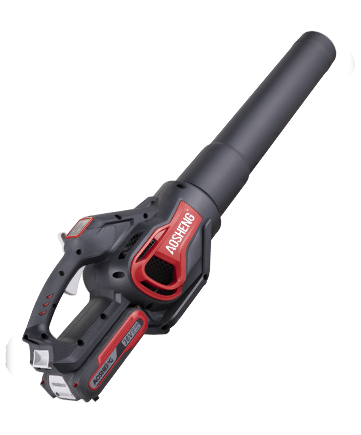
Turbine boost functionBig air volumeInstant startBackpack option for extra battery power
See Details
Extension height of 400cmOregon Bar & ChainTool-less chain tension systemAutomatic oiling systemBackpack option for extra battery power
See Details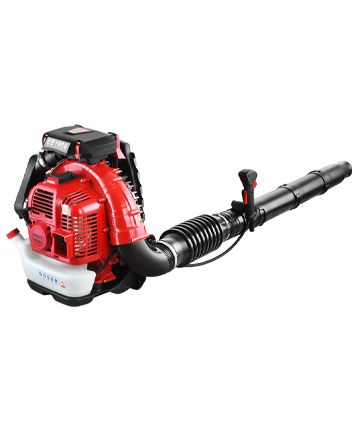
Extremely comfortable adjustable handle Large capacity fuel tank The largest air volume in China Use fire-retardant pipes to extinguish the fire Luxury widen & thicken straps Patented engine reac...
See Details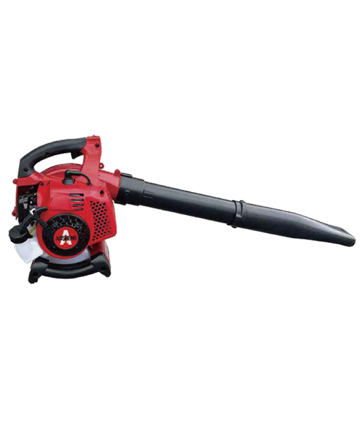
Suction and blowing Euro 5 certification Rubber-coverd handle, Strength nylon collecter.
See Details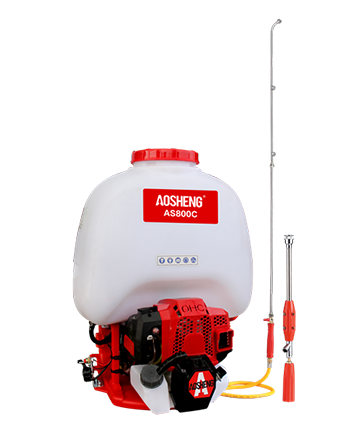
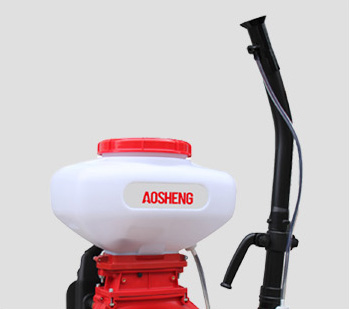
High preformence engine with high quality accessories. Copper meterial pressure pump, corrosion resistance.high atomization effect. Used in agriculture,eqidemic prevention, and disinfection.
See Details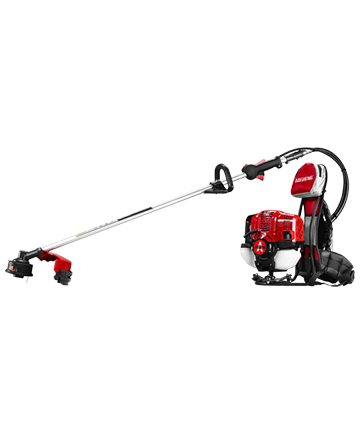
Professional engine, strength power.low consumption, easy to start.Rotating 360°Comfortable control handle and sponge belt. The trimmer head can offer a 460mm cut width. alloy blade diameter is 10 inc...
See Details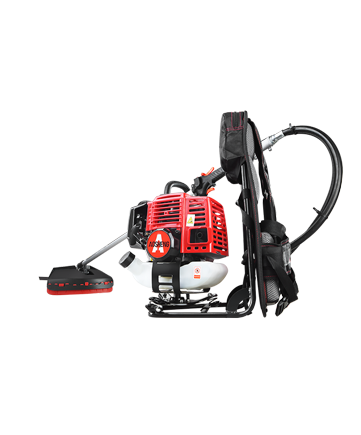
High-performance engine, displacement is 33CC.Professional use opens up wastelandTube size 26mm*1.5mm, strength flexible shaft.Cutting width is 420mmLifetime over 150hours
See Details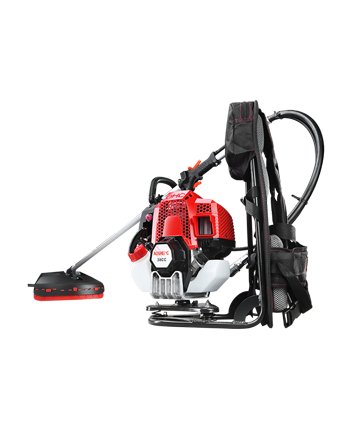
High-performance 4-stroke engine,displacement is 38CC. Professional use in the open-up wasteland Tube size 26mm*1.5mm, strength flexible shaft.Cutting width is 420mm Life time over 150hours New design...
See Details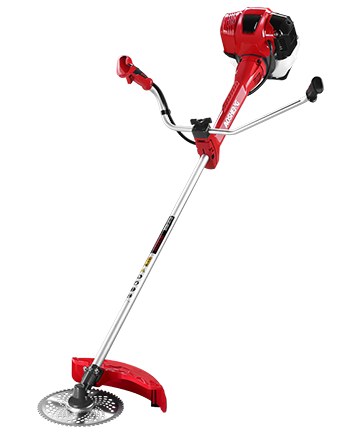
Professional engine, strength power. low consumption, easy to start.Rotating 360°The pole part uses a damper cover. The control handle can rotate 180° to decrease absorption. Rubber-covered handles ma...
See Details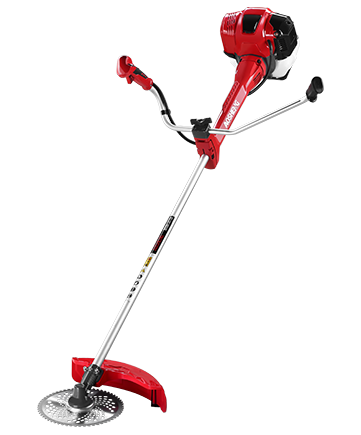
Professional engine, strength power. low consumption, easy to start. Rotating 360° The Pole part uses a damper cover. The control handle can be rotated 180° to decrease absorption. Rubber-covered hand...
See Details